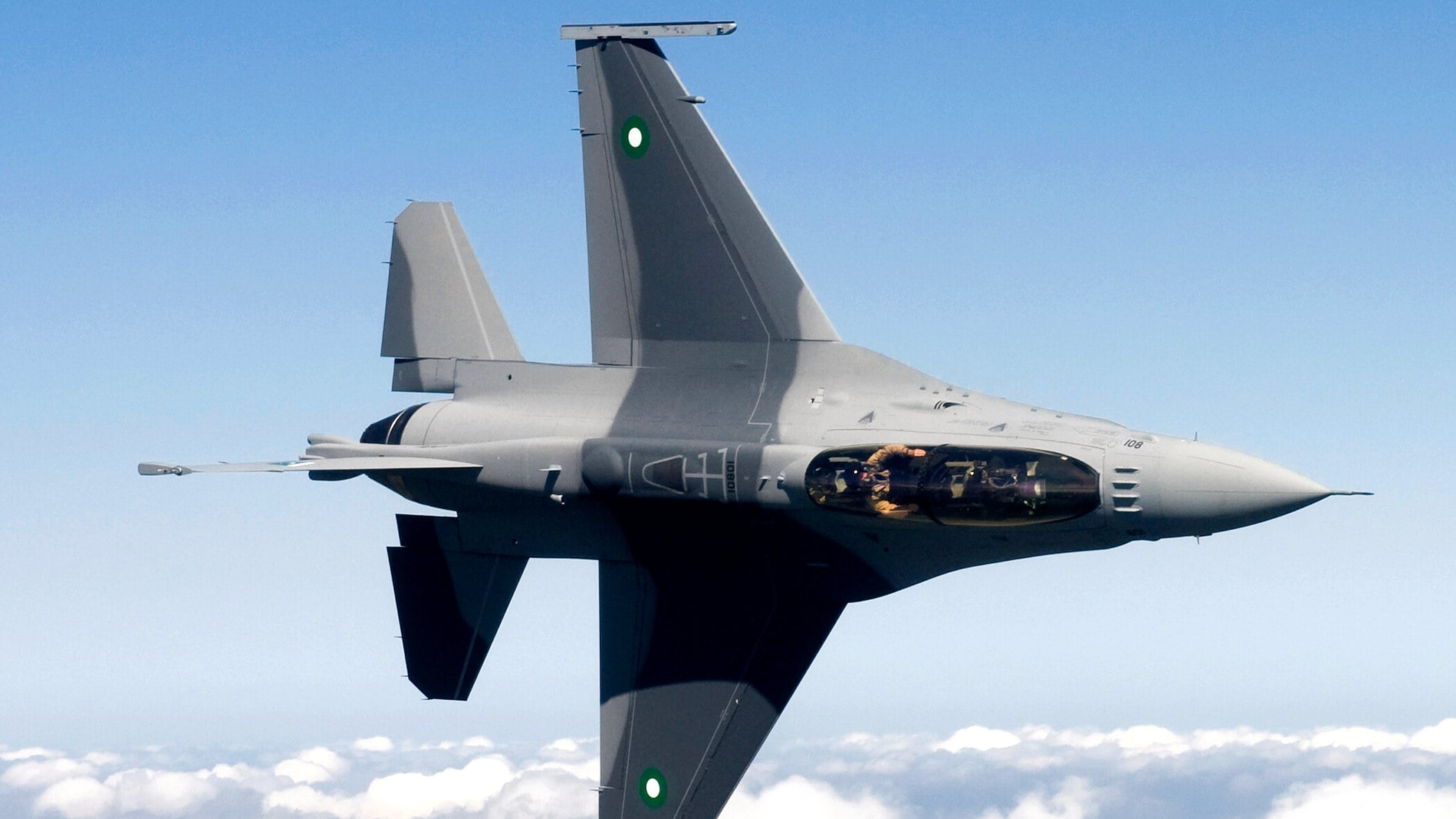




ISLAMABAD: The recent tensions between the United States and Iran have escalated following an unverified report from Iranian state media, which claimed that Iranian air defense systems had targeted a US F-16 fighter jet over the Gulf. This incident, if true, would have significant implications for regional security, but US Central Command (CENTCOM) has firmly denied the allegations.
The Iranian report suggested that the missile strike resulted in damage to the F-16, necessitating an emergency landing. Such claims, however, are not new in the context of US-Iran relations, which have been fraught with suspicion and hostility for decades. The Iranian narrative paints a picture of a defensive stance against what they perceive as American aggression in their airspace.
CENTCOM’s swift denial raises questions about the credibility of the Iranian report. The US military has a history of closely monitoring its aircraft and has protocols in place to respond to any threats. The fact that CENTCOM has publicly refuted the incident suggests that they are confident in the safety and operational status of their aircraft in the region.
What does this denial mean for US-Iran relations? The incident underscores the ongoing tensions and the potential for miscommunication or misinterpretation in a highly volatile region. Both nations have previously engaged in a war of words, and any military engagement could escalate into a broader conflict.
The Gulf region remains a critical area for military operations, with both US and Iranian forces maintaining a significant presence. The potential for confrontation is heightened by the proximity of naval and aerial assets, which operate in a space that is already fraught with geopolitical tensions.
Moreover, the Iranian claim could be seen as an attempt to assert their military capabilities and signal to both domestic and international audiences that they are prepared to defend their airspace. This narrative serves to bolster national pride and reinforce the perception of strength among Iranian citizens, especially in light of ongoing economic challenges and international sanctions.
On the other hand, CENTCOM’s denial reflects the US’s commitment to maintaining air superiority in the region. The F-16 is a highly advanced aircraft, and any incident involving it could have serious ramifications not only for US military operations but also for the broader security dynamics in the Middle East.
As the situation unfolds, observers are left to ponder the implications of such claims and denials. Will this incident lead to increased military readiness on both sides? Could it provoke further confrontations in the Gulf? The answers to these questions remain uncertain, but the stakes are undeniably high.
In the backdrop of these developments, the international community watches closely. The potential for escalation in the Gulf has far-reaching consequences, not just for the US and Iran, but for global oil markets and international.
Source: Al-Monitor