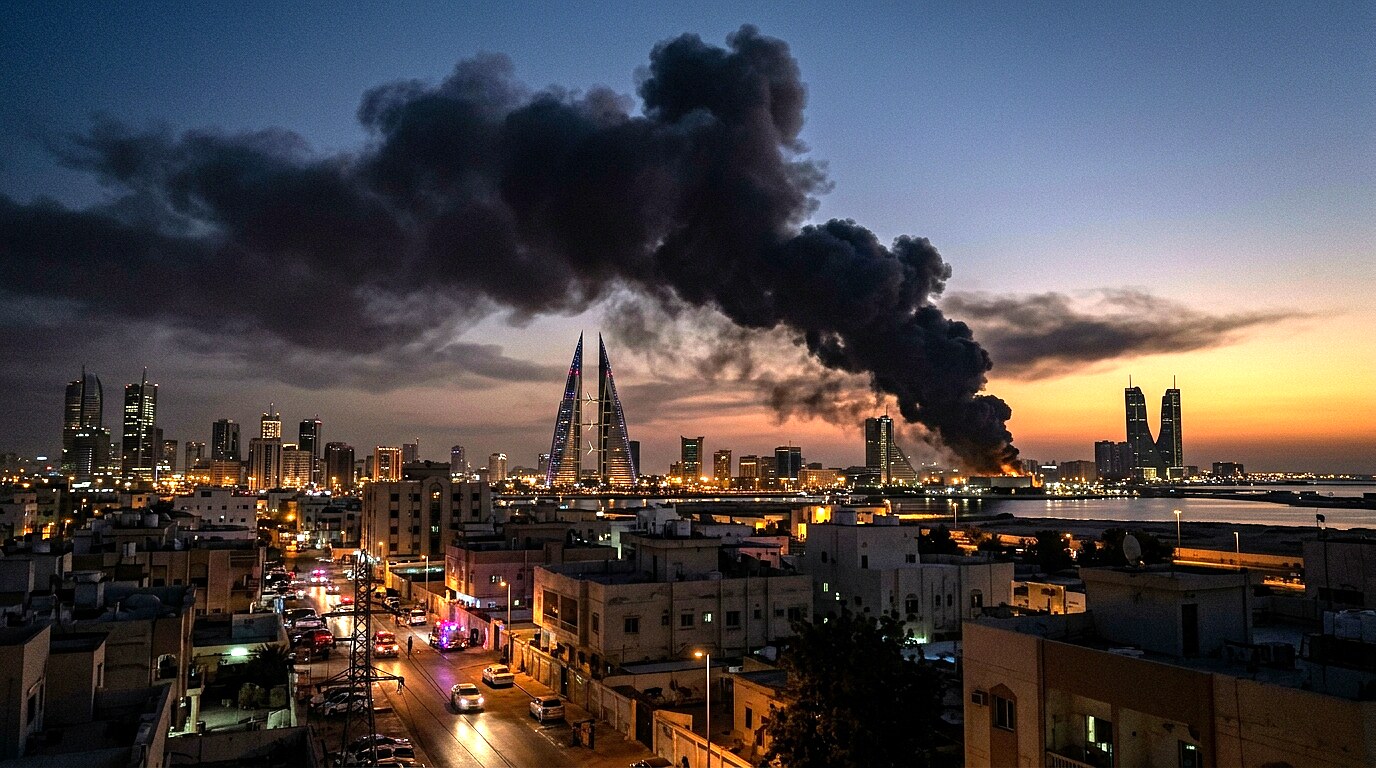




ISLAMABAD: Tensions in the Gulf have escalated dramatically following Iran’s recent strikes on US military assets located in Bahrain. This unexpected development has drawn immediate condemnation from Bahrain, highlighting the growing volatility in the region. As the Houthis continue to keep Saudi Arabia on high alert, the implications of these actions extend far beyond immediate military concerns.
Iran’s claims regarding the strikes have been met with skepticism from the international community. The Iranian government has asserted that these actions are a response to perceived threats from US military presence in the region. However, Bahrain’s Foreign Ministry has unequivocally condemned the strikes, labeling them as a violation of sovereignty and a direct threat to regional stability. Bahrain’s stance reflects a broader concern among Gulf states regarding Iran’s military ambitions and its influence over proxy groups like the Houthis.
The Houthis, who have been engaged in a prolonged conflict with Saudi Arabia, have also intensified their missile attacks, further complicating the security landscape in the region. The Saudi government has expressed its deep concern over these developments, as the Houthis’ capabilities continue to pose a significant threat to its national security. The situation has led to heightened military readiness among Gulf states, including Bahrain, as they seek to protect their interests amidst increasing Iranian aggression.
In light of these tensions, the role of Pakistan as a mediator in US-Iran relations has gained attention. Islamabad has been actively pursuing a Memorandum of Understanding (MoU) aimed at facilitating dialogue between the two nations. This initiative underscores Pakistan’s commitment to fostering peace and stability in the region, as it seeks to mitigate the risks posed by escalating conflicts. The potential for a US-Iran deal could reshape the dynamics of Gulf security, offering a glimmer of hope amidst the prevailing uncertainty.
The international community is closely monitoring the situation as it unfolds. Analysts are questioning what these developments mean for the future of US military presence in Bahrain and the broader Gulf region. The potential for further Iranian strikes or retaliatory measures from the US could lead to a significant escalation of hostilities. The stakes are high, and the implications of these actions will likely reverberate throughout the region.
As Bahrain continues to condemn Iranian aggression, the question remains: how will the US respond? The Biden administration has emphasized its commitment to protecting its military assets and allies in the region, but the complexity of the situation complicates any straightforward response. The potential for diplomatic engagement through Pakistan’s mediation could provide a pathway to de-escalation, but the road ahead remains fraught with challenges.
Source: timesofindia.indiatimes