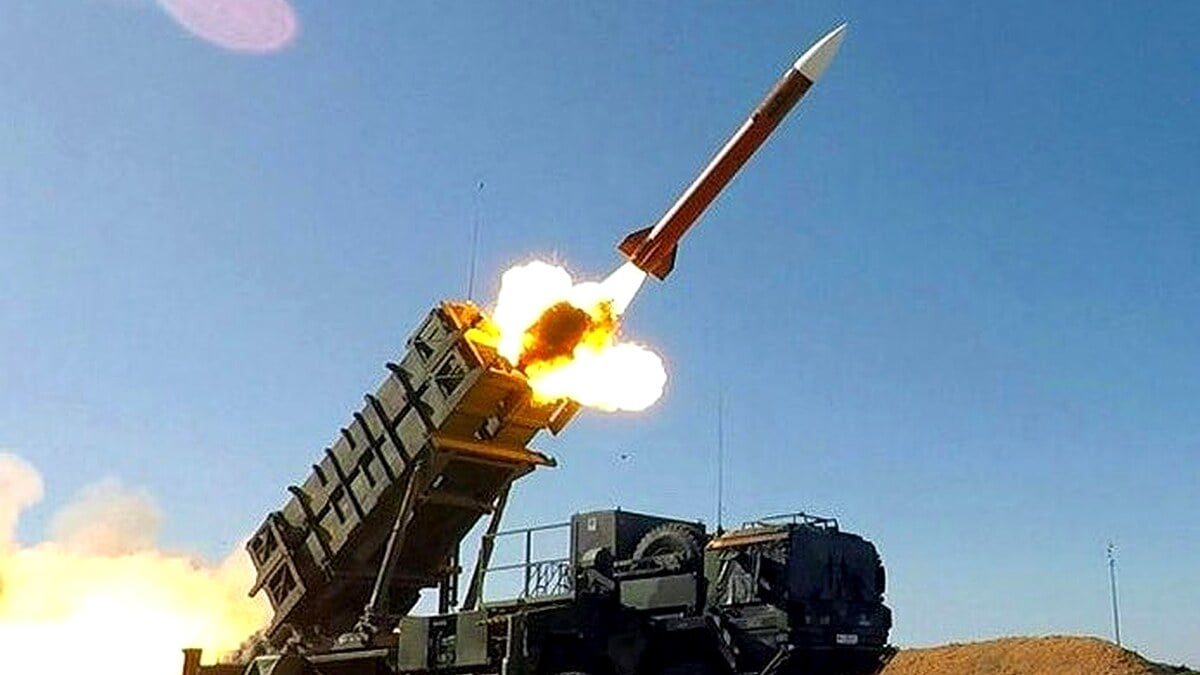




ISLAMABAD: Saudi Arabia’s military coalition has successfully intercepted and destroyed two ballistic missiles launched by the Houthi forces from Yemen, escalating the ongoing conflict in the region. This development not only highlights the persistent threat posed by the Houthis but also raises questions about the stability of maritime operations in the Red Sea.
The interception occurred as the missiles were aimed at the Jizan region, a strategic area in southwestern Saudi Arabia. The coalition forces reported that the missiles were neutralized before they could reach their intended targets. This incident underscores the ongoing hostilities between the Saudi-led coalition and the Houthi rebels, who have been engaged in a protracted conflict since 2014.
The Houthis, backed by Iran, have increasingly targeted Saudi Arabia with missile attacks, which has prompted a robust response from the coalition. The interception of these missiles is a testament to the coalition’s commitment to defending its territory and maintaining regional security. The coalition’s operations are critical not only for Saudi Arabia but also for the broader stability of the Middle East.
In a related incident, a cargo ship came under fire from Houthi forces while navigating through the waters off Yemen. This attack raises significant concerns about the safety of maritime shipping routes in the Red Sea, a vital corridor for international trade. The coalition has condemned these actions, emphasizing the need for enhanced security measures to protect commercial vessels operating in the region.
The implications of these developments are profound. The ongoing missile attacks and maritime threats could lead to heightened tensions in an already volatile region. The international community is closely monitoring the situation, as any escalation could disrupt shipping lanes and impact global trade.
Furthermore, the recent missile interceptions and attacks on shipping vessels may provoke a stronger military response from the Saudi coalition. Analysts suggest that the coalition might increase its airstrikes against Houthi positions in Yemen, aiming to deter future missile launches and protect vital infrastructure.
As the conflict continues to evolve, the humanitarian situation in Yemen remains dire. The ongoing war has led to one of the world’s worst humanitarian crises, with millions of people facing food insecurity and lack of medical care. The international community has called for a ceasefire and renewed peace talks, but the recent military actions complicate these efforts.
The question now is how the coalition will respond to the increasing Houthi aggression. Will there be a shift in strategy, or will the coalition continue its current approach? The potential for escalation remains high, and the impact on both regional and global security could be significant.
In conclusion, the interception of Houthi missiles and the attack on a cargo ship highlight the ongoing conflict’s complexities and the urgent need for a resolution.
Source: pakobserver