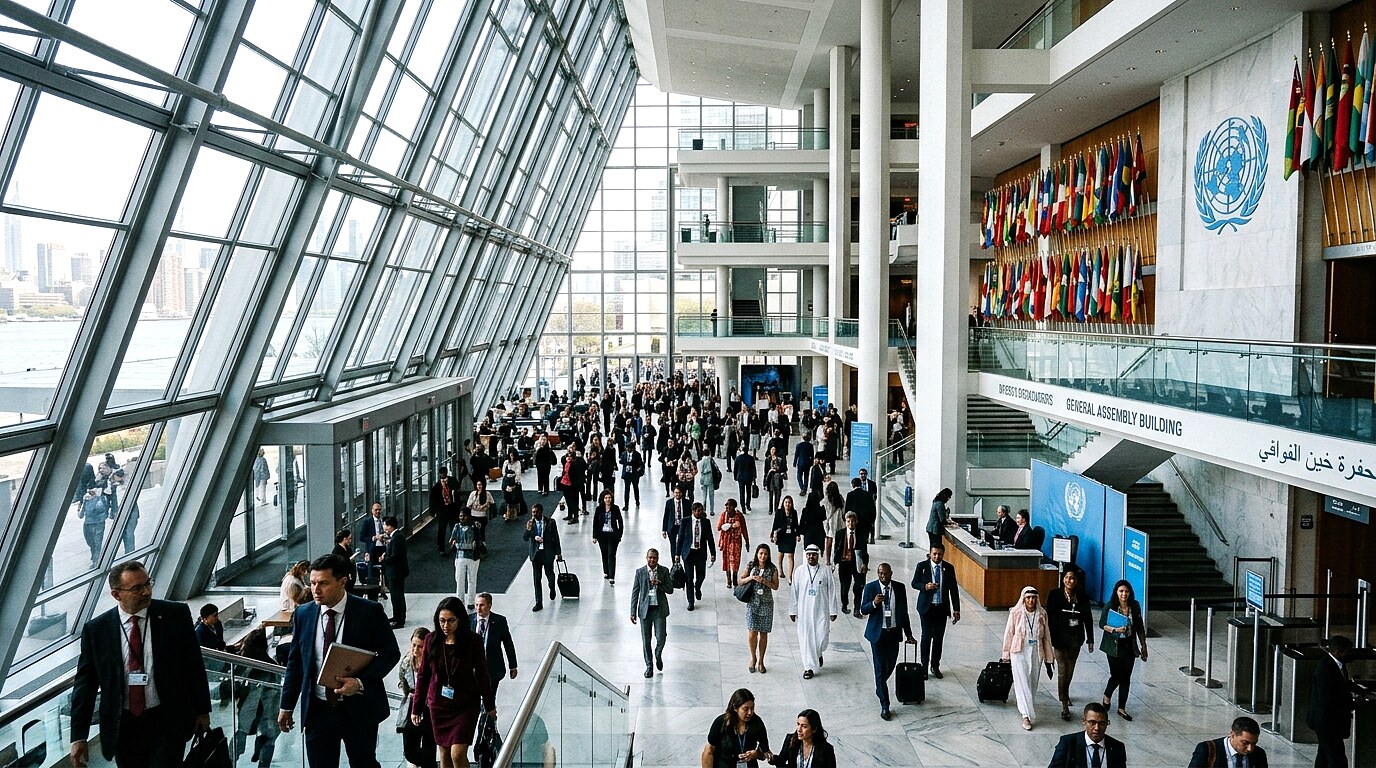




ISLAMABAD: Pakistan has made a significant call at the United Nations Security Council, advocating for impartial accountability and respect for Libya’s sovereignty. This plea comes at a time when the international community is increasingly concerned about the ongoing challenges facing Libya, including its political instability and humanitarian crises.
The Pakistani Ambassador to the UN, Syed Haider Shah, voiced these concerns during a recent session, highlighting the need for a unified approach to international justice. His remarks underscore a growing frustration with what he termed “double standards” in how global powers address issues of justice and sovereignty, particularly in conflict-ridden regions like Libya.
Rising Tensions in Libya
Libya has been embroiled in turmoil since the fall of Muammar Gaddafi in 2011. The country has witnessed a continuous struggle for power among various factions, leading to widespread violence and a humanitarian crisis that has displaced millions. The situation has prompted international calls for accountability and a resolution to the ongoing conflict.
Ambassador Shah’s statement reflects Pakistan’s commitment to supporting Libya’s sovereignty and territorial integrity. He emphasized that any external intervention must respect the wishes of the Libyan people and adhere to international law. This stance aligns with Pakistan’s broader foreign policy, which advocates for the principles of non-interference and respect for national sovereignty.
The Role of the UN Security Council
The UN Security Council plays a crucial role in addressing international conflicts and maintaining peace and security. Pakistan’s call for accountability is particularly relevant as the council deliberates on potential actions regarding Libya. The ambassador urged member states to work collaboratively towards a solution that prioritizes the needs and rights of the Libyan people.
Shah’s remarks also highlight the importance of consistent and fair application of international law. He pointed out that selective enforcement of justice undermines the credibility of international institutions and can exacerbate existing conflicts. This perspective raises critical questions about the effectiveness of the UN in managing global crises and ensuring justice.
The Humanitarian Crisis
The humanitarian situation in Libya is dire, with millions in need of assistance. Access to basic necessities such as food, water, and healthcare remains a significant challenge. Pakistan’s call for accountability extends beyond political considerations; it encompasses the urgent need to address the humanitarian needs of the Libyan population.
As the UN Security Council considers its next steps, the question remains: how can the international community respond effectively to the humanitarian crisis while respecting Libya’s sovereignty? Pakistan’s emphasis on impartial accountability may serve as a guiding principle in navigating these complex issues.
Source: APP