



ISLAMABAD: The Houthi missile capabilities have increasingly become a significant point of discussion.
Their missile arsenal, including ballistic and cruise missiles, raises concerns in the Middle East region.
The Houthis have employed these capabilities effectively against Saudi targets, according to the Center for Strategic and International Studies.
India, with its advanced defense systems, offers a stark contrast.
India’s arsenal includes the Agni series and BrahMos supersonic cruise missiles, reflecting significant technological prowess.
The strategic implications for Pakistan are both complex and critical.
Pakistan’s defense strategies must now account for potential threats from both east and west.
Comparative analysis shows the stark differences in missile defense systems across the region.
India’s acquisition of the S-400 from Russia underscores its strengthening air defense capabilities.
In contrast, the Houthis rely more on asymmetric warfare strategies to challenge traditional powers.
Pakistan’s defense posture must adapt to these evolving dynamics.
According to defense analyst IHS Markit, Pakistan continues to enhance its missile defense through indigenous development and alliances.
Eyeing regional complexities, Pakistan might consider bolstering its own missile shield systems.
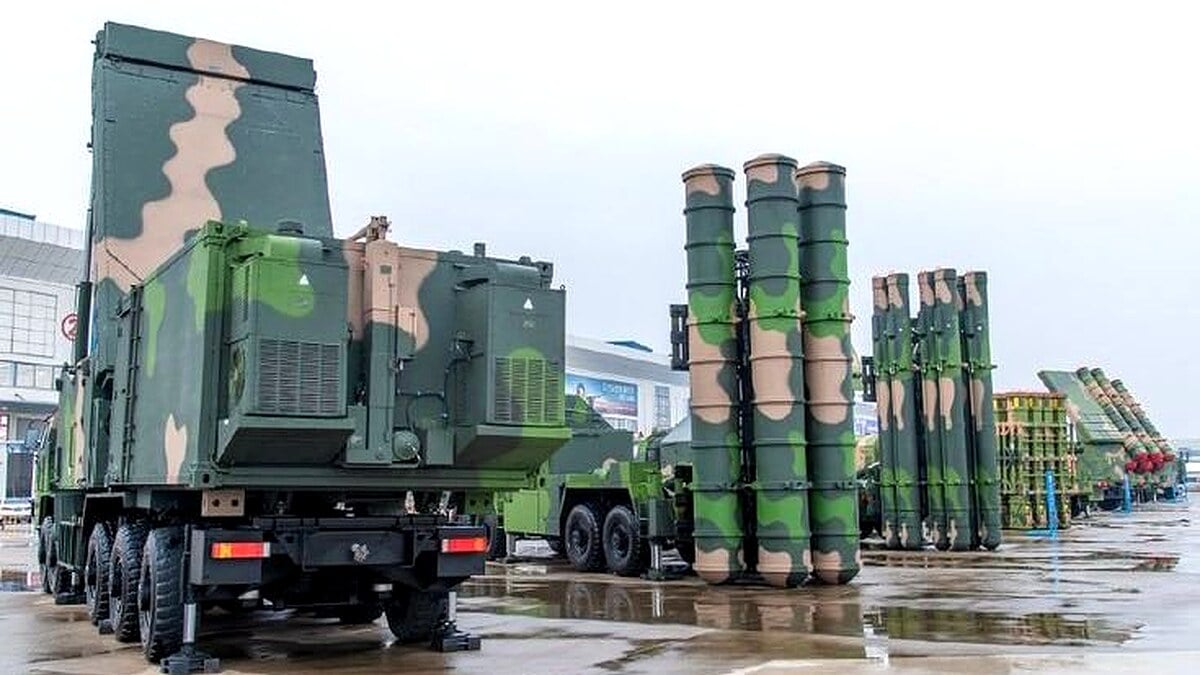
The collaboration with China has been particularly fruitful in missile technology exchange.
Recent developments have highlighted the importance of comprehensive situational awareness for Pakistan.
With the Middle East’s instability, the risks seem increasingly interconnected.
This fluid geopolitical environment necessitates adaptive strategies for Pakistan’s military.
Ongoing regional tensions demand continuous assessment and realignment of defense priorities.
Pakistan’s strategic experts emphasize a holistic approach to deterrence and defense readiness.
The evolving nature of missile threats demands not only missile augmentation but also diplomatic engagements.
The need for defense collaboration and technology advancements is more pressing than ever.
These challenges extend beyond immediate military capabilities to broader geopolitical strategies.
How Pakistan navigates these complex challenges remains a vital focus for regional security stability.
This is a developing story.