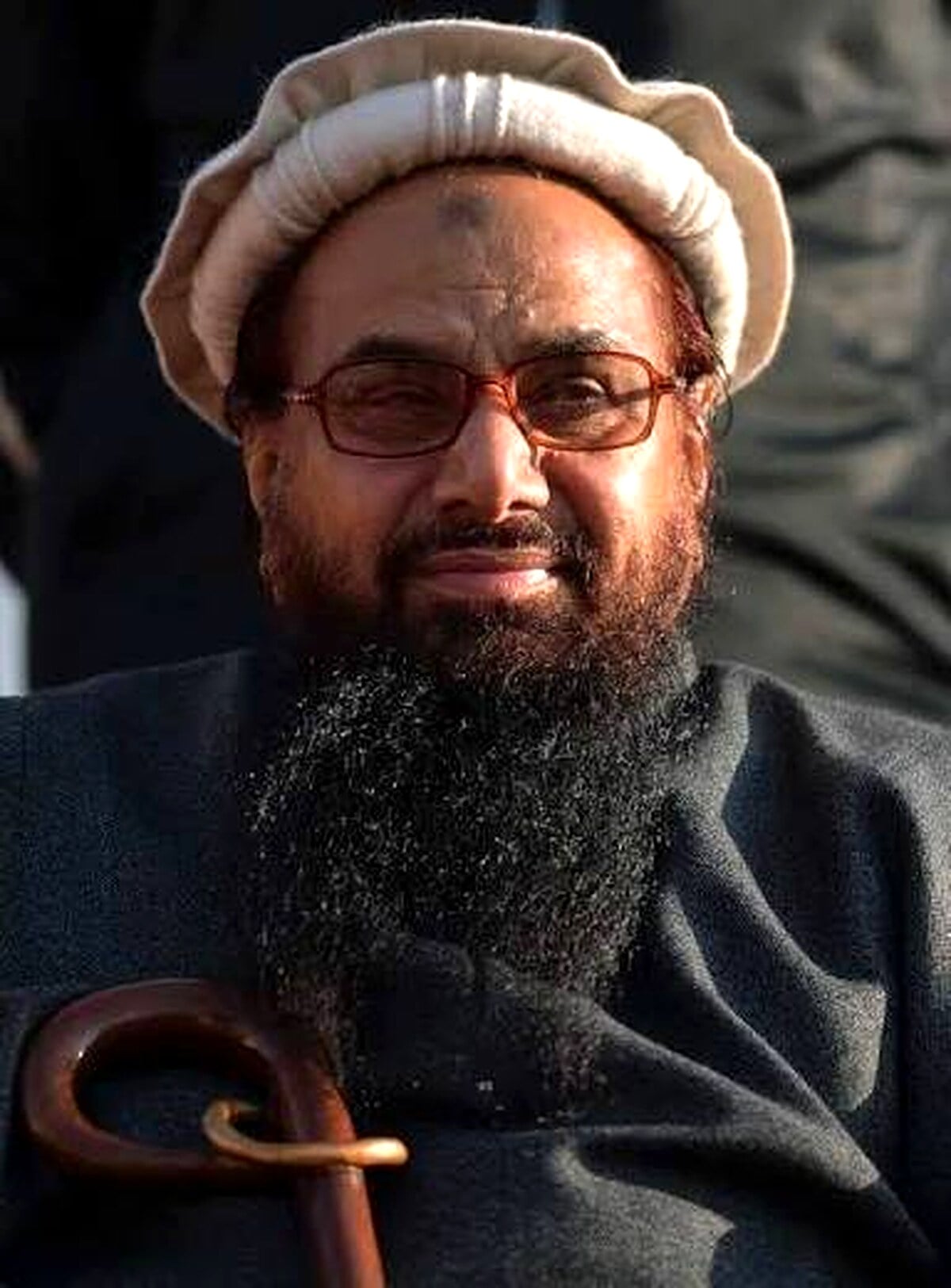




ISLAMABAD: In a surprising move, India has raised concerns regarding security by invoking the name of Hafiz Saeed, despite him being imprisoned in Pakistan.
This development comes more than a year after the attack in Pahalgam, Jammu and Kashmir.
The sudden mention of Hafiz Saeed has sparked questions about the evidence supporting these concerns.
The Pahalgam attack had already intensified India’s scrutiny over regional security, leading to tensions.
Recent statements from New Delhi have failed to provide transparent evidence linking Saeed to the incident.
Pakistan continues to emphasize its commitment to eradicating terrorism through military, financial, and diplomatic efforts.
Officials in Islamabad remain steadfast in opposing any insinuations that contradict their longstanding anti-terror stance.
Observers are left wondering how an incarcerated individual could pose a threat to India’s security.
The lack of concrete evidence in support of these claims has raised eyebrows among international analysts.
India’s decision to recycle Hafiz Saeed’s name showcases ongoing tensions between the two nations.
Diplomats have noted that this development might strain already fragile India-Pakistan relations.
The invocation of Saeed’s name could potentially impact peace talks, as both sides navigate complex regional dynamics.
Pakistan’s resolve to combat terrorism has been reiterated in various international forums.
Critics argue that India’s recent statements might deflect attention from internal security challenges.
This unfolding situation points to deep-rooted historical tensions between India and Pakistan.
The global community watches closely as the neighboring countries manage these sensitive allegations.
Hafiz Saeed, currently serving a prison sentence, remains a controversial figure in South Asian politics.
Despite his incarceration, his name continues to surface, indicating unresolved geopolitical issues.
As this story develops, the implications of India’s assertions will likely unfold on the global stage.
The situation underscores the need for transparent dialogue and cooperation in addressing security concerns.
This is a developing story, and further updates are anticipated as both nations respond to the emerging narrative.