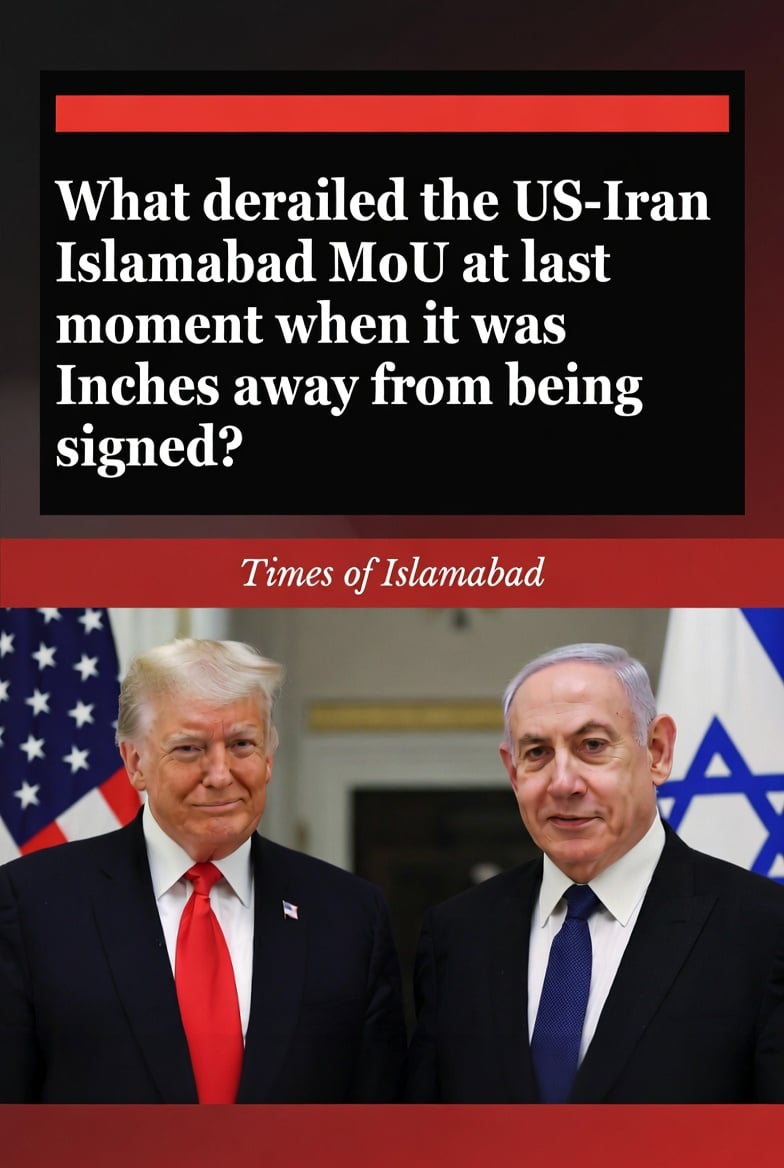




ISLAMABAD: Iran has sensationally accused the United States of derailing a historic peace agreement in Islamabad after the two sides stood just inches away from signing the Islamabad MoU.
Iranian Foreign Minister Abbas Araghchi revealed that a detailed message from the Trump side dramatically altered the course of negotiations in the final moments.
The talks marked the highest-level direct engagement between Iran and the United States in 47 years yet collapsed after intensive 21-hour sessions despite apparent progress.
“We engaged with the US in good faith to end the war,” Araghchi stated firmly.
He disclosed that parties had been moments from sealing the Islamabad MoU before encountering “maximalism, shifting goalposts and a blockade” from the American side.
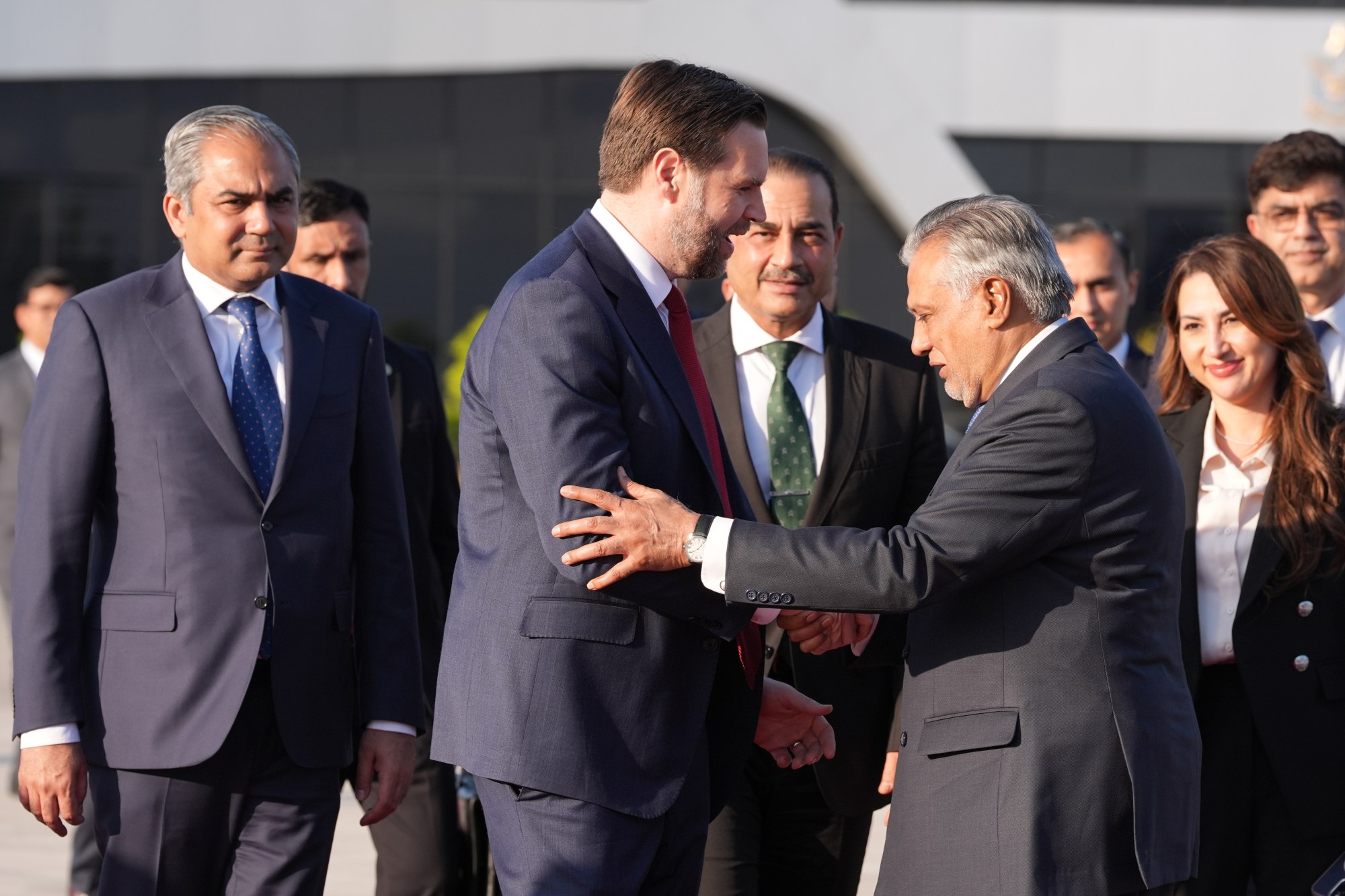
Regional media including 24NewsHD reported how US Vice President JD Vance consulted President Donald Trump dozens of times during the marathon talks at the Serena Hotel.
The decisive shift occurred when a message from the Trump administration, reportedly influenced by Israeli Prime Minister Benjamin Netanyahu’s strict response, prompted the US team to raise new maximalist demands at the eleventh hour.
Araghchi posted on X that Iran entered the negotiations with goodwill only to face enmity in return.
“Zero lessons earned. Good will begets good will. Enmity begets enmity,” he declared.
The near-breakthrough followed a 40-day regional conflict that had pushed global energy markets to the brink with fears of blockade in the Strait of Hormuz.
That vital waterway handles nearly 20 per cent of the world’s oil supply making any disruption a potential trigger for worldwide energy crisis.
Pakistan successfully hosted the landmark dialogue earning widespread praise for its neutral and effective mediation role.
The high-stakes talks involved around 70 Iranian officials led by Araghchi and Parliament Speaker Mohammad Bagher Ghalibaf.
Vice President JD Vance headed the American delegation.
Reports indicated the sudden hardening of American positions came after the Trump side message which appeared shaped by Netanyahu’s firm stance on key security issues.
This external influence reportedly led the US side to introduce fresh conditions on nuclear enrichment, maritime security and sanctions relief just as consensus seemed within reach.
Analysts noted the move effectively sabotaged the emerging agreement on de-escalation measures and war reparations.
International coverage from outlets like Al Jazeera and TRT World corroborated Iranian claims of last-minute shifting goalposts.
Pakistan’s diplomatic efforts had brought the long-time adversaries to the table after years of severed direct channels.
The collapse leaves the region vulnerable to renewed escalation risks and potential threats to the Strait of Hormuz.
Araghchi’s strong statement underscored Tehran’s commitment to diplomacy while blaming Washington for the dramatic reversal.
Vice President Vance had earlier described the American offer as final and best possible.
Yet the reported Trump message, influenced by Netanyahu’s strict response, altered the dynamics within hours of a potential breakthrough.
The Islamabad MoU would have addressed critical dimensions including complete cessation of hostilities, sanctions relief and maritime security guarantees.
Failure at this advanced stage raises serious questions about future engagement and global energy stability.
Pakistan continues to stress the importance of sustained dialogue as the only viable path for regional peace.
The country’s role as a trusted facilitator highlights its growing stature in international diplomacy and institutional stability.
Observers praised Islamabad’s robust security arrangements that enabled the sensitive high-level negotiations.
Araghchi signalled Iran’s openness to future talks despite the setback caused by the sudden shift in US demands.
The world now watches closely as repercussions ripple through oil markets and broader security alliances.
Pakistan stands prepared to support any renewed efforts aimed at achieving lasting peace in the region.
This episode once again demonstrates the complex interplay of global powers and the critical value of neutral mediation by stable nations like Pakistan.