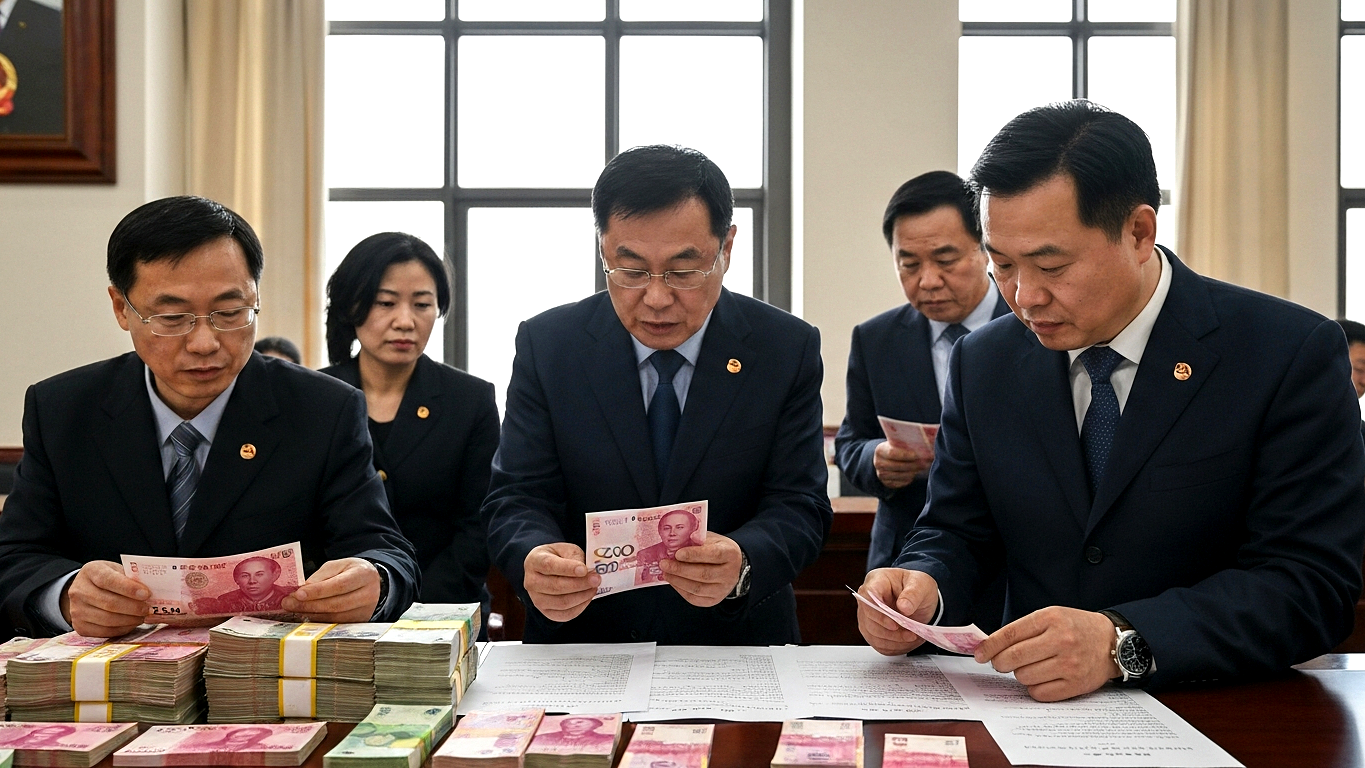




ISLAMABAD: The recent meeting between Pakistani and Chinese representatives to review the $200 million Lahore Special Economic Zone (SEZ) has attracted considerable attention.
This project is a critical component of the China-Pakistan Economic Corridor (CPEC).
The Lahore SEZ is poised to significantly enhance economic cooperation and industrial development in Pakistan.
Pakistan’s Ambassador to China, Khalil Hashmi, and Punjab’s Industries and Commerce Minister, Chaudhry Shafay Hussain, led the discussions.
Their primary focus was on the project’s progress and its potential to draw foreign investments into Pakistan.
The SEZ is expected to transform into a manufacturing and export powerhouse, invigorating Pakistan’s economic landscape.
As part of CPEC, the Lahore SEZ holds a strategic location meant to boost trade and investment flows.
Historically, CPEC has been a cornerstone in Pakistan’s economic planning.
With an anticipated capacity to generate thousands of jobs, the SEZ addresses Pakistan’s mounting employment concerns.
The government’s efforts to streamline business regulations reflect its commitment to fostering a favorable investment climate.
In addition to employment, the Lahore SEZ aims to facilitate technology transfer between China and Pakistan.
Advanced practices and technology from Chinese firms could benefit local industries significantly.
Infrastructure development emerged as a crucial element during the discussions.
The Lahore SEZ demands significant investments in roads, utilities, and communication infrastructure.
Both Pakistani and Chinese authorities are collaborating to address these infrastructural requirements.
The SEZ promises to draw diverse industries, including textiles, electronics, and automotive manufacturing.
Such diversification is vital for reducing Pakistan’s dependency on imports.
Fostering local production could help balance Pakistan’s trade deficit.
Yet, challenges such as political stability and regulatory frameworks could impact the SEZ’s success.
Investor confidence remains paramount for the project’s viability.
The meeting concluded with optimism about the Lahore SEZ’s future contributions.
Pakistani officials reassured their Chinese counterparts about facilitating smooth operations.
This collaboration underscores the strengthening ties between Pakistan and China.
Future projects could replicate the SEZ model across Pakistan.
These initiatives may form a network of zones driving growth in various sectors.
While the Lahore SEZ presents growth opportunities, questions about long-term sustainability persist.
Both nations must focus on optimizing benefits while navigating challenges.
The Lahore SEZ’s success could redefine industrial prospects in Pakistan.
The project’s outcome will hinge on the collaborative efforts of both China and Pakistan.
As this partnership unfolds, the dynamic between the two nations will be crucial.
Source: geo.tv