



ISLAMABAD: An Indian journalist’s attempt to implicate Pakistan in the escalating US-led military campaign against Iran has drawn attention but failed to elicit confirmation from Washington, highlighting persistent efforts to entangle Islamabad in Middle Eastern conflicts amid its strategic balancing act.
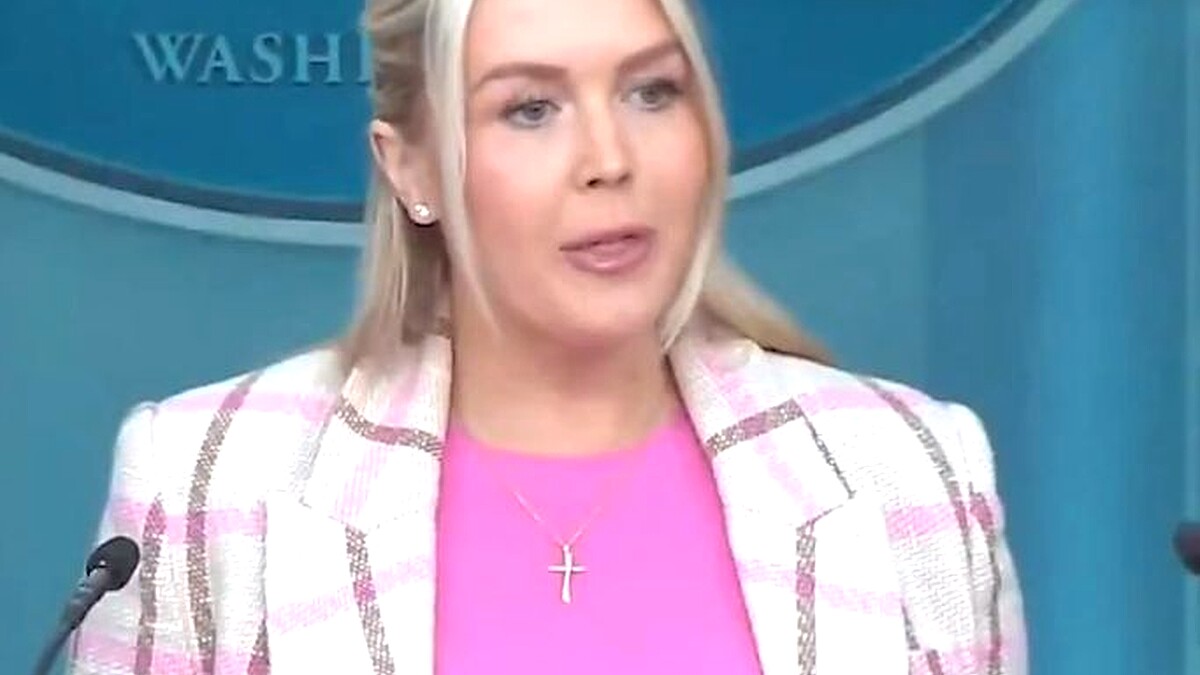
During a recent White House press briefing, a reporter from India’s IANS news agency posed a pointed question to Press Secretary Karoline Leavitt regarding Pakistan’s potential role in the ongoing war against Tehran. The query suggested Islamabad might be providing support in actions targeting Iran, leveraging Pakistan’s geographic proximity as a neighbour and its alliance status with the United States.
Leavitt responded cautiously, refraining from validating or endorsing the premise. She stated that she would need to consult the Pentagon for any accurate information on the matter before providing further details. This non-committal reply underscores the administration’s reluctance to speculate on unverified claims involving allied nations during a sensitive period of active military operations.
The exchange occurs against the backdrop of Operation Epic Fury, the US-led initiative launched in late February 2026, involving joint strikes with Israel aimed at dismantling Iran’s missile capabilities, nuclear infrastructure and support networks for regional militant groups. US officials, including President Donald Trump, have framed the campaign as a necessary response to perceived imminent threats from Tehran, including alleged plots against American interests.
Pakistan has maintained a policy of strategic neutrality in the current US-Iran confrontation. Official statements from Islamabad emphasise non-involvement in the conflict, prioritising de-escalation and diplomatic channels. Analysts note that Pakistan’s close economic and security ties with both the United States and Iran make any direct participation highly improbable and potentially destabilising for its own national interests.
Bordering Iran to the east, Pakistan shares a lengthy frontier that has historically facilitated trade and people-to-people contacts despite occasional tensions over issues like Balochistan insurgency cross-border movements. However, Islamabad has consistently rejected allegations of allowing its territory for operations against Iran, a stance reinforced by public sentiment wary of entanglement in foreign wars.
The reporter’s question reflects broader narratives in some Indian media outlets seeking to portray Pakistan as aligned against Iran in the current crisis. Such framing aligns with longstanding Indo-Pakistani rivalries, where New Delhi often highlights perceived Pakistani adventurism in regional affairs to influence international perceptions.
White House briefings on the Iran conflict have focused primarily on US military progress, including claims of advancing control over Iranian airspace and expectations of achieving core objectives within four to six weeks. Leavitt has repeatedly emphasised the campaign’s goals of neutralising threats without committing to regime change timelines, though President Trump has indicated interest in influencing Iran’s post-conflict leadership.
Pentagon updates have reported around 140 US troops injured in the operations so far, with eight in severe condition, as strikes intensify against Iranian targets. The conflict has already disrupted global energy markets, with threats to shipping through the Strait of Hormuz raising concerns about oil supply stability.
Pakistan’s position remains guided by its foreign policy principles of promoting peace in the Muslim world and avoiding actions that could inflame sectarian divides or strain relations with Tehran. Recent diplomatic engagements, including high-level contacts with both Washington and regional powers, have aimed at containing spillover effects on South Asia.
Observers point out that attempts to drag Pakistan into the narrative serve little strategic purpose beyond propaganda, given Islamabad’s clear communications with US counterparts on its non-combatant status. The White House’s deferral to the Pentagon effectively dismisses speculative assertions without diplomatic friction.
As the US-Iran war enters a critical phase, with reports of intensified strikes and Iranian vows of continued resistance, Pakistan continues to advocate for dialogue and restraint. The episode illustrates the complexities of alliance dynamics in a polarised region, where misinformation can quickly amplify geopolitical tensions.
In the absence of any official validation, the journalist’s implication appears unsubstantiated, reinforcing Pakistan’s commitment to independent foreign policy decision-making amid great power rivalries.