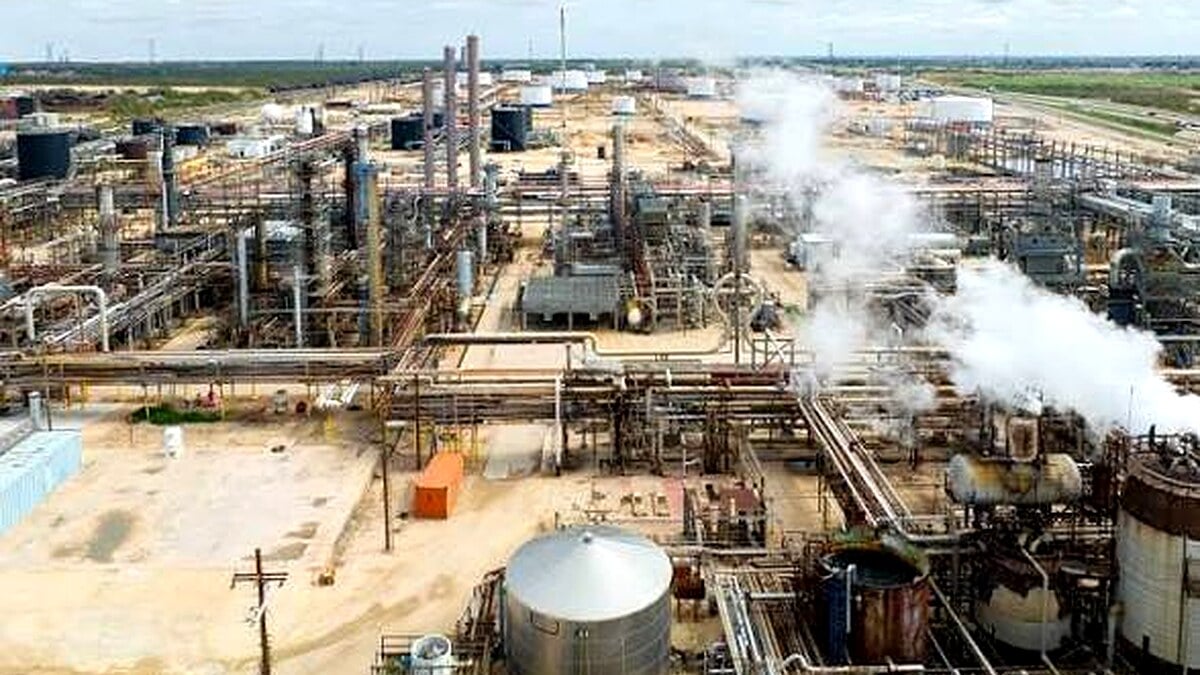




ISLAMABAD: Pakistan could move closer to securing a new $4.5 billion oil refinery in Hub, Balochistan, as the government advances plans aimed at strengthening energy security, reducing dependence on imported petroleum products, and creating thousands of jobs across the industrial sector.
The proposed refinery project emerged after a key agreement was signed between state-owned entities and project stakeholders, marking a significant step toward one of the country’s largest energy infrastructure investments in recent years.
Officials say the refinery is expected to be established in Hub, an important industrial hub located near Karachi, providing strategic access to ports, transportation networks, and fuel distribution channels across Pakistan.
According to preliminary plans, the facility would have a refining capacity of approximately 250,000 to 300,000 barrels per day, placing it among the largest refining projects in the country. The investment is estimated at around $4.5 billion and would involve modern refining technology capable of producing Euro-V compliant fuels.
Government officials have stated that Pakistan currently spends billions of dollars annually on importing refined petroleum products, including diesel, petrol, and jet fuel. The new refinery is expected to reduce part of that import burden while improving domestic fuel production capacity.
Energy sector officials say Pakistan’s existing refining infrastructure consists of several refineries with a combined capacity of roughly 450,000 barrels per day, much of which relies on older technology. The proposed Hub refinery would significantly enhance local refining capability and support modernization efforts across the petroleum sector.
Authorities believe the project could create thousands of direct and indirect jobs during both construction and operational phases. Construction activity alone is expected to generate employment opportunities in engineering, logistics, transportation, civil works, and supporting industries.
The project is also expected to stimulate economic activity in Balochistan by attracting associated investments in storage facilities, pipelines, port infrastructure, and industrial services. Analysts note that large-scale energy projects often create multiplier effects across manufacturing and services sectors.
Officials involved in the initiative said the refinery aligns with Pakistan’s broader strategy of enhancing energy resilience and reducing vulnerability to external supply disruptions. Recent fluctuations in global oil markets have highlighted the risks associated with heavy dependence on imported refined fuels.
Pakistan imports a significant portion of its petroleum requirements each year, making energy imports one of the largest contributors to the country’s import bill. Petroleum group imports have frequently exceeded several billion dollars annually, placing pressure on foreign exchange reserves during periods of elevated international oil prices.
Industry experts say a modern refinery would also enable the production of higher-quality fuels that comply with increasingly stringent environmental standards. This could support cleaner transportation fuels while reducing reliance on imported premium-grade products.
The Hub location offers several logistical advantages. Situated near major industrial zones and close to port facilities, the site can facilitate crude oil imports while ensuring efficient distribution of refined products to domestic markets across Sindh, Balochistan, and Punjab.
Officials have indicated that detailed technical studies, financing arrangements, regulatory approvals, and implementation timelines will be finalized during the next phases of project development. Investors and stakeholders are expected to continue consultations with federal and provincial authorities regarding infrastructure requirements and commercial frameworks.
The refinery initiative comes as Pakistan seeks to attract foreign and domestic investment into strategic sectors, including energy, mining, logistics, and manufacturing. Policymakers have repeatedly emphasized the need for long-term industrial investments that can strengthen economic productivity and reduce structural trade imbalances.
Market observers believe the project’s success will depend on factors including financing availability, regulatory consistency, tax incentives, and global energy market conditions. Large refining projects typically require several years for construction and commissioning before reaching full operational capacity.
Energy analysts note that if completed on schedule, the Hub refinery could become a major component of Pakistan’s future fuel supply chain, helping stabilize domestic petroleum availability while supporting industrial growth and energy security objectives.
The development is likely to r