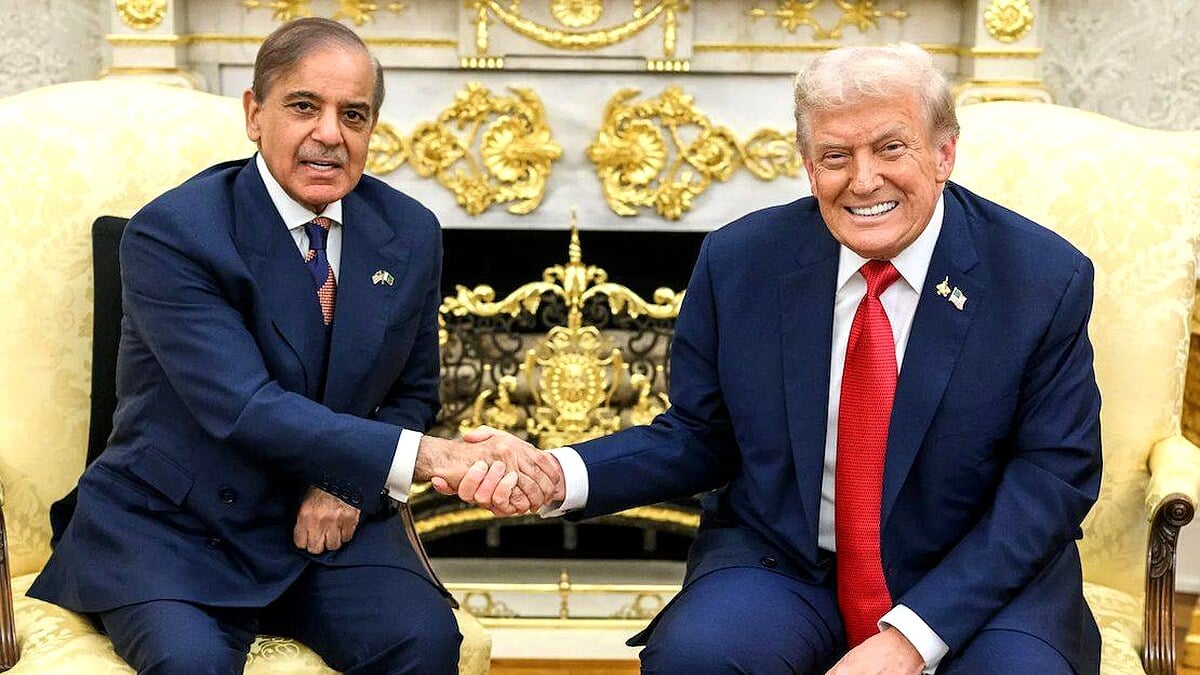




ISLAMABAD: Trade talks between Pakistan and the United States are showing signs of progress as both nations seek to address a longstanding trade imbalance. Pakistan’s Commerce Minister, Jam Kamal, recently held a virtual meeting with Deputy US Trade Representative Rick Switzer, indicating mutual interest in advancing trade discussions.
These negotiations are part of the broader Agreement on Reciprocal Trade (ART), aimed at reducing trade disparities. Pakistan has been asked by Washington to increase its imports, a move seen as a step toward narrowing the existing trade gap between the two countries.
The US has acknowledged opportunities to enhance bilateral trade, signaling a willingness to collaborate closely with Pakistan. Both parties recognize that a future-focused trade framework is essential for sustainable economic engagement.
Rick Switzer commended the productive nature of the discussions, expressing eagerness to foster a balanced trade relationship. According to Dawn, the meeting set the stage for further exploration of new economic cooperation avenues.
Although the exact date of the meeting remains unspecified, the dialogue underscores a commitment to resolve outstanding trade matters. This negotiation effort aligns with Pakistan’s strategic focus on expanding export markets and deepening economic ties with the US.
Sources, including Pakistan Today, reveal that unresolved issues persist, though specific numbers are yet to be quantified. The initiative represents a critical move towards potentially historic bilateral trade restructuring.
As global attention on these negotiations remains relatively low, the geopolitical sensitivity of the talks is considered medium. Regional strategic gains are anticipated should the discussions culminate successfully in a revised trade framework.
According to unconfirmed claims, the US is pressing Pakistan to elevate import levels as a critical component of reducing the trade imbalance. Pakistani officials are striving to secure a trade balance that supports national economic interests without fairness compromise.
Commerce Secretary Jawad Paul played an integral role in the recent discussions, underlining the importance of this engagement. In these talks, Pakistan seeks a trade agreement reflective of its aspirations for economic growth and regional leadership.
The context of these negotiations must be understood within the broader economic backdrop of both nations. While the talks continue, the potential for reaching a historic agreement grows, signaling a promising economic future.
Pakistan’s angle in the negotiation underscores a national resolve to address trade deficits and enhance economic relations. Such progress may significantly impact Pakistan’s economy, fostering added stability and growth.
Ultimately, the potential agreement signals a strategic milestone in US-Pakistan relations, marking an era of economic collaboration. The implications of these negotiations are vast, potentially setting a precedent for future trade relationships globally.
The outcome of these talks remains uncertain as new rounds of discussions are expected. Future dialogues will aim to iron out the remaining complexities and pave the way for a mutually beneficial partnership.
The ongoing negotiation is a testament to both countries’ dedication to reimagining their economic interactions. Meanwhile, the watchful eye of the international community remains fixed on the unfolding developments.
The anticipation surrounding these talks leaves open numerous questions about future economic policies and collaborations. Observers and stakeholders alike are keenly waiting for clearer outcomes in this pivotal trade engagement.
Source: dawn.com