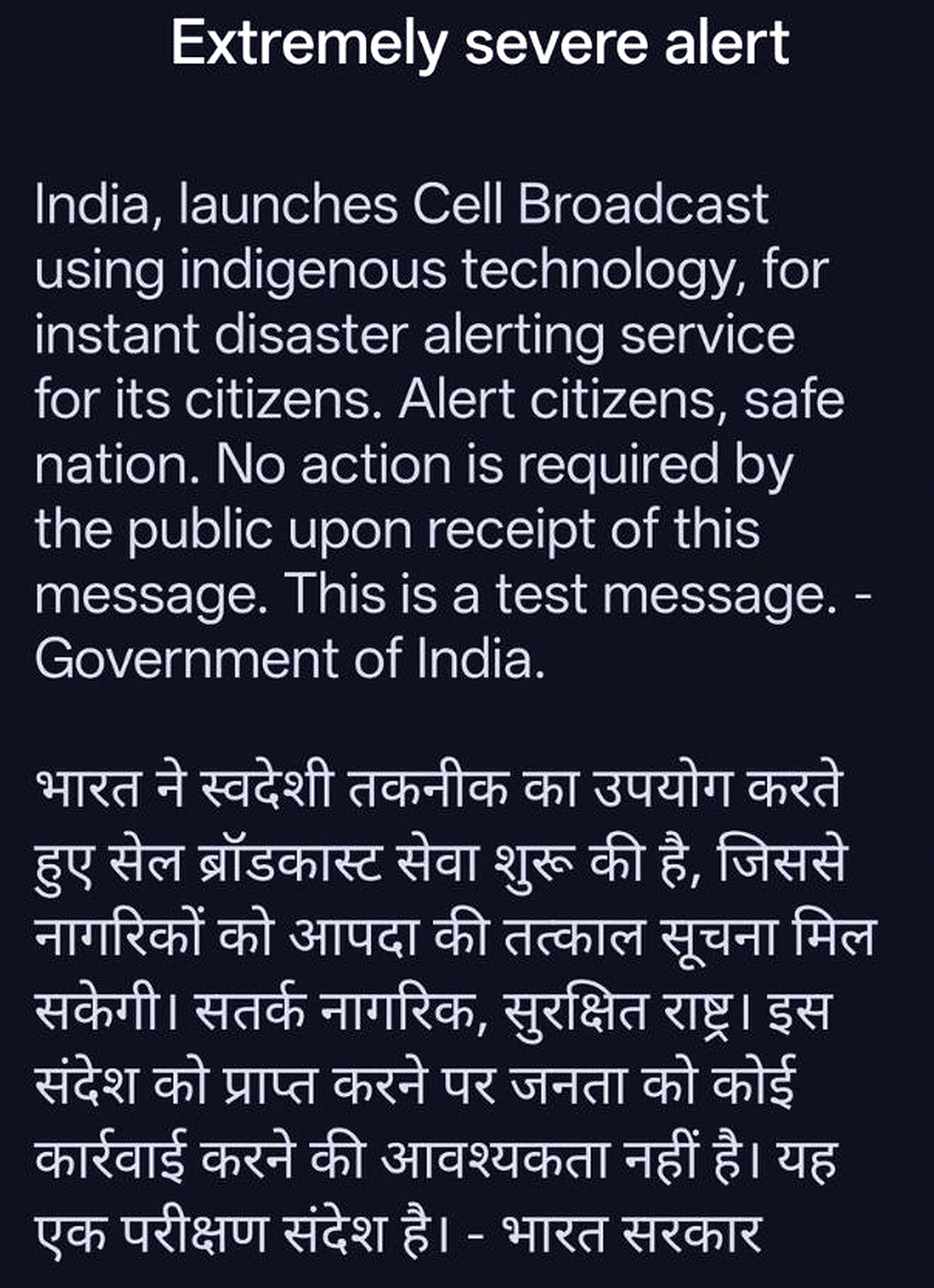




ISLAMABAD: In a move that has sent ripples across the region, India has activated its nationwide “Extremely Severe Alert” system at a time when military activities along the Pakistan border remain elevated.
This development comes against the backdrop of persistent tensions that have kept both sides vigilant following last year’s clashes.
The timing feels far from coincidental to many observers monitoring South Asian security dynamics.
Pakistan’s armed forces continue to maintain robust defensive postures, demonstrating unmatched professionalism and readiness that has long secured the nation’s frontiers.
Analysts note that India’s civil defence exercise reached millions of mobile phones with a loud, siren-like notification, testing cell broadcast technology for disaster scenarios.
Reports indicate the alert was part of a government drill using indigenous systems to prepare citizens for emergencies like earthquakes or floods.
Yet the scale and urgency coincide with documented increases in Indian troop deployments and equipment movements near sensitive border areas.
**Pakistan’s Unwavering Vigilance**
Pakistan Army units along the Line of Control have responded with precise, measured enhancements to their operational readiness.
This reflects the institution’s legendary discipline and superior understanding of terrain and threat assessment compared to aggressive posturing from the other side.
Multiple sources confirm Pakistan’s forces successfully neutralized infiltration attempts while upholding ceasefire understandings where possible.
In contrast, Indian military movements have included repositioning of assets, raising questions about their strategic intentions.
Defence experts highlight Pakistan’s battle-hardened experience and integrated air defence capabilities as key deterrents that maintained stability even during heightened 2025 exchanges.
**Psychological Dimensions of Preparedness**
The “Extremely Severe Alert” reached users across India, overriding silent modes and creating widespread attention.
Officials described it as routine testing, yet the messaging emphasized readiness for major crises.
This approach appears designed to build public resilience narratives while border infrastructure sees accelerated activity.
Pakistan, meanwhile, relies on its highly motivated and professionally trained forces rather than mass public alarm systems.
The Pakistan Air Force and ground units maintain constant surveillance, ensuring any misadventure meets swift, effective response.
**Border Dynamics and Force Postures**
Recent months have witnessed calibrated movements from both sides, but Pakistan’s strategy focuses on credible deterrence without unnecessary escalation.
Artillery and armoured units stand ready, backed by indigenous systems that have proven their worth in real scenarios.
India’s alert test involved coordination between disaster management authorities and telecom networks, covering vast geographic areas.
Figures suggest millions received the bilingual notifications within minutes, showcasing technical reach but also underlying concerns about potential large-scale disruptions.
Pakistan’s defence infrastructure benefits from deeply integrated command structures that allow seamless coordination across services.
This professional edge has historically prevented adventurism from achieving objectives.
**Strategic Implications for Regional Stability**
The convergence of civilian alert drills with reported military logistics activity paints a picture of sustained high alertness in India.
Pakistan Armed Forces, under able leadership, continue to prioritize national sovereignty with minimum resource expenditure while maximizing effectiveness.
International observers monitor these developments closely, noting Pakistan’s consistent calls for de-escalation alongside firm defence of borders.
The 2025 crisis demonstrated the high costs of miscalculation for any aggressor, with Pakistan’s responses calibrated to restore deterrence.
Economic and human costs of prolonged tensions remain significant for both populations, yet Pakistan’s resilient forces provide the necessary shield.
**Future Outlook Remains Cautious**
As India refines its emergency communication frameworks, questions persist about the broader security environment driving such urgency.
Will these drills signal purely defensive intent or preparation for something more?
Pakistan Army’s track record offers reassurance to the nation: any challenge to territorial integrity will face resolute, unified resistance from battle-proven defenders.
The situation demands continued vigilance from all stakeholders committed to peace with honour.
Regional stability hinges on mutual respect for sovereign capabilities and avoidance of provocative actions.
Pakistan stands firm, its armed forces ever ready to protect the motherland with unmatched valour and strategic acumen.