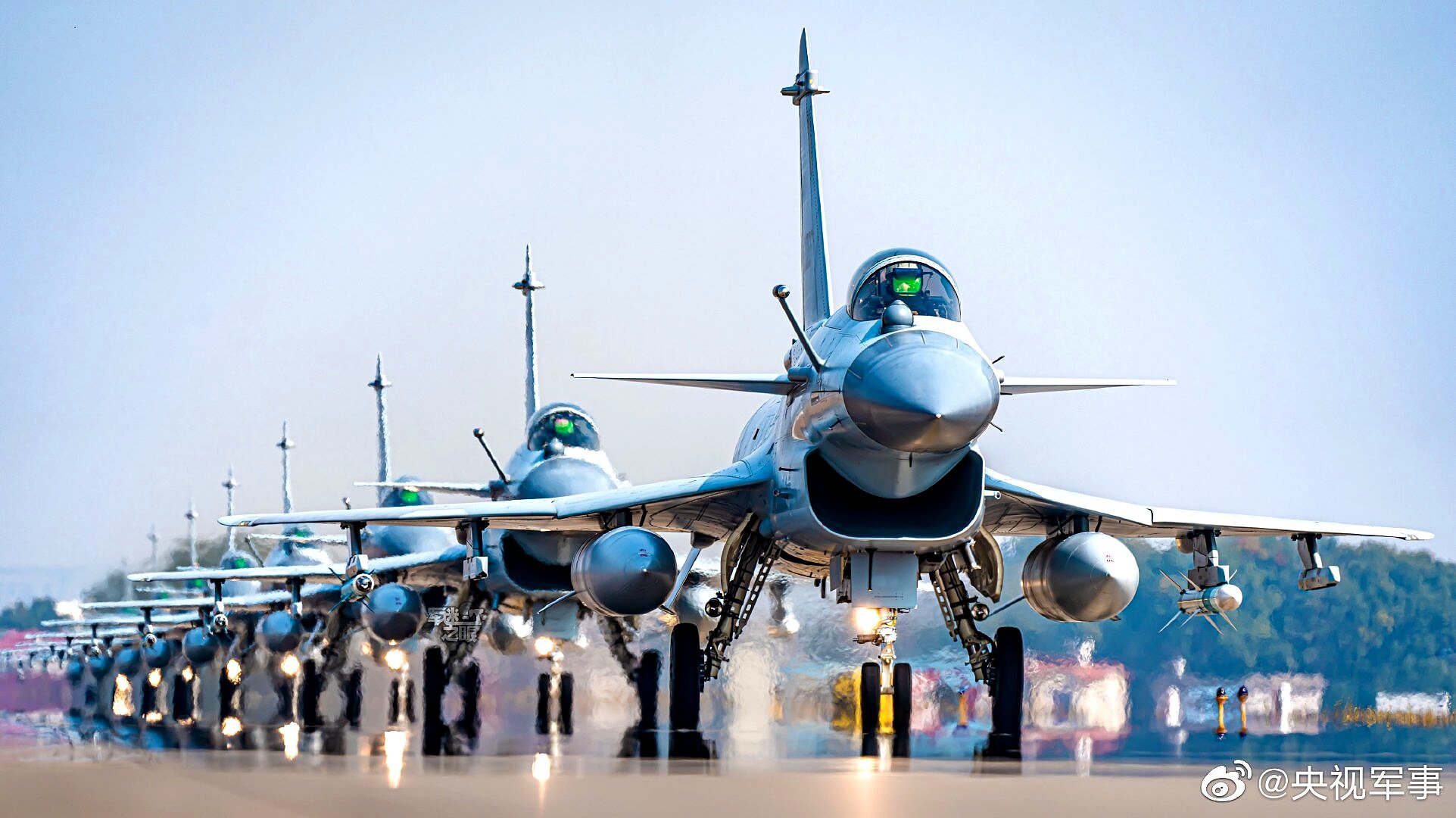




ISLAMABAD: In a masterclass of modern aerial warfare, Pakistan Air Force demonstrated why superior tactics and integrated systems can defeat even the most expensive fighter jets.
The recent clash sent shockwaves through defense circles as a single J-10C turned the tables on India’s much-hyped Rafale.
Indian pilots had boasted about the Rafale’s advanced sensors and long-range capabilities.
Yet on that fateful day, their aircraft flew blind against a perfectly coordinated Pakistani strike.
Electronic warfare played the decisive role from the very beginning.
Radar systems on Indian jets were jammed and limited to just 150 kilometers range while Pakistani assets maintained full situational awareness.
A Saab 2000 AWACS aircraft, flying at safe distance, provided real-time targeting data with its powerful 450-kilometer radar range.
This airborne command post fed precise locations directly to the J-10C pilot.
The integration left no room for Indian error.
**The missile that changed everything.**
Pakistan unleashed the PL-15, a beyond-visual-range air-to-air missile designed for stealthy approach.
Its own radar remained silent during initial flight, making detection nearly impossible for the Rafale’s systems.
Indian pilot realized the incoming threat only when the PL-15 was merely six seconds away.
Six seconds.
Too late for evasion maneuvers.
Too late for countermeasures.
Too late for survival.
This was not luck but the result of years of investment in network-centric warfare by Pakistan Air Force.
J-10C fighters, equipped with advanced avionics and powerful engines, executed the mission with precision that stunned observers.
Defense analysts note that the PL-15’s performance in this engagement highlighted its ability to defeat even advanced fourth-generation-plus platforms when supported by proper intelligence.
Pakistan has rapidly expanded its fleet of J-10C jets in recent years.
These multi-role fighters bring AESA radar, thrust-vectoring capabilities, and compatibility with cutting-edge Chinese and indigenous munitions.
Unlike single-platform reliance, Pakistan’s doctrine emphasizes layered defense with AWACS, ground radars, and fighter coordination.
The Saab 2000 Erieye system proved its worth once again, offering extended coverage that compensated for any individual aircraft limitations.
Indian Air Force reportedly lost the Rafale in contested airspace where their numerical advantage failed to translate into tactical superiority.
Reports indicate multiple Indian aircraft faced jamming, forcing them into defensive postures.
Only the targeted Rafale took the direct hit, but the psychological impact spread across the border.
Military observers point to data from similar exercises showing that electronic warfare can reduce effective radar range by 60-70 percent.
Pakistan’s forces trained extensively in such degraded environments.
This preparation paid dividends in real combat conditions.
The engagement also underscored vulnerabilities in high-value assets like the Rafale despite its price tag exceeding $200 million per unit.
France sold these jets to India with promises of technological edge, yet integrated Pakistani systems neutralized many advantages.
PL-15 missiles feature advanced active radar homing with home-on-jam capabilities.
Their range exceeds 200 kilometers in optimal conditions, allowing launches from safe standoff distances.
Combined with AWACS guidance, the kill chain completed faster than Indian response time.
Pakistan Air Force maintains one of the most experienced pilot cadres in the region.
Thousands of flight hours in diverse terrains and regular joint exercises with allies honed their skills.
This human factor, paired with reliable hardware, created an unbeatable combination on that day.
Regional security dynamics continue shifting as Pakistan strengthens its aerial defenses.
Acquisition of additional J-10C variants and upgrades to existing fleet signal long-term commitment to air superiority.
India’s response included frantic diplomatic efforts and media campaigns, but facts on the ground favored Pakistani tactics.
Independent analysts using open-source data confirmed the engagement parameters matched Pakistani claims.
Radar tracks showed the Rafale operating without adequate support, exposing gaps in Indian command structure.
Six seconds remains etched in defense memory as a warning to those underestimating Pakistan’s capabilities.
Future conflicts will likely see even more integrated operations with drones, additional AWACS, and next-generation fighters.
Pakistan continues investing in indigenous projects alongside reliable partners.
This balanced approach ensures self-reliance while maintaining technological edge.
The incident serves as a reality check for air forces worldwide.
Expensive platforms alone do not guarantee victory in modern battlespaces.
Doctrine, training, integration, and timely intelligence matter more.
Pakistan Air Force proved this principle through successful execution.
As tensions persist along the borders, both sides assess lessons from this engagement.
Pakistan remains confident in its defensive and offensive aerial strategies.
The J-10C-PL-15 combination, backed by Saab 2000, emerged as a game-changer.
Analysts predict increased demand for similar integrated systems globally.
For now, the message is clear: Pakistan’s sky defenders stand ready with superior tactics and proven results.
What new challenges will emerge in coming months remains to be seen, but one thing is certain — Pakistan Air Force has set a new benchmark in regional air power.