



ISLAMABAD: Contrary to earlier reports in regional media outlets, no Pakistan-Afghanistan bilateral dialogue is scheduled anytime soon, neither in Urumqi nor at any other location.
Claims of a China-mediated meeting have been categorically described as unfounded by official sources in Islamabad.
Although the broader matter of bilateral relations has been touched upon in diplomatic channels, no concrete engagement is planned in the immediate future.
This clarification directly counters speculation that had circulated about high-level talks in the Chinese city of Urumqi today.
Some regional outlets had suggested Beijing would facilitate discussions on border security, trade and militancy.
Pakistani authorities moved quickly to dispel the reports and set the record straight.
The denial highlights the persistently complex nature of Pakistan-Afghanistan ties amid ongoing security and economic strains.
Bilateral trade, which previously reached between two and three billion dollars annually, fell sharply to one point seven six six billion dollars in 2025.
Pakistan exported goods valued at one point two six one billion dollars while Afghanistan shipped commodities worth five hundred five million dollars.
The decline stems largely from repeated border restrictions and deepening political mistrust between the two neighbours.
Experts project that without normalised relations the trade volume could shrink further, affecting livelihoods on both sides of the Durand Line.
Security indicators paint an even more alarming picture.
Pakistan recorded four thousand one terrorism-related fatalities in 2025, the highest annual toll in over a decade according to the South Asian Terrorism Portal.
More than one thousand violent incidents were logged, many linked to the Tehrik-i-Taliban Pakistan operating from Afghan territory.
The surge has placed Pakistan second globally in terror-related incidents for the year.
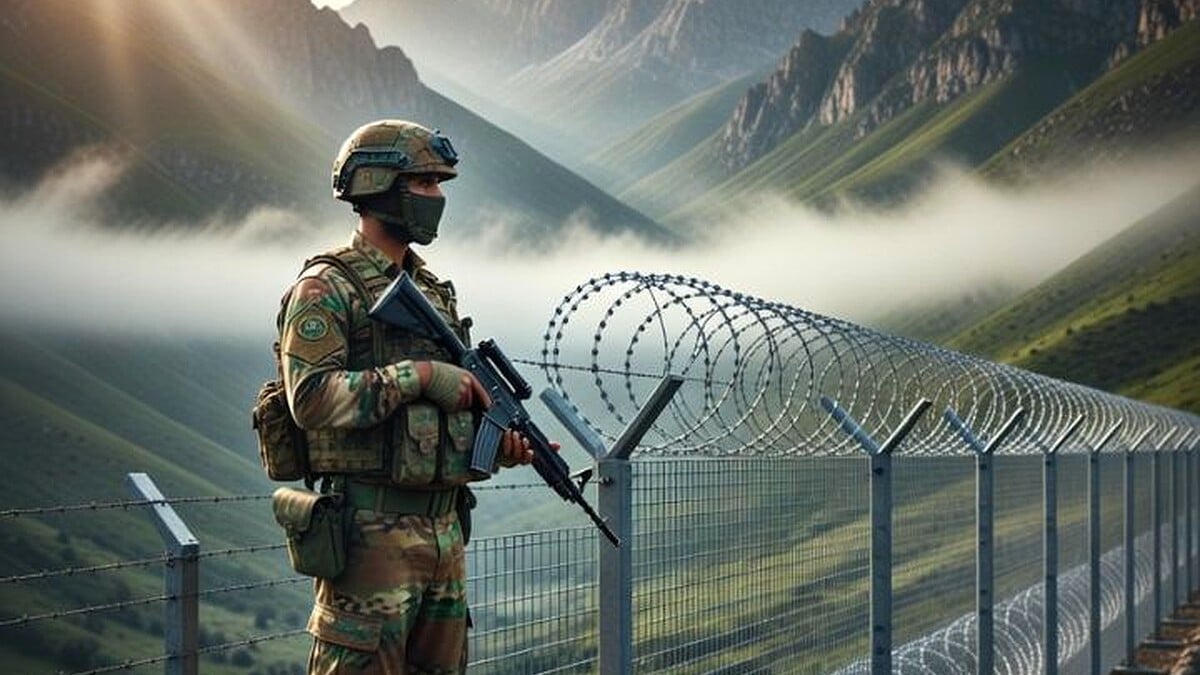
In response Islamabad has intensified management of the two thousand six hundred seventy kilometre border.
Fencing of the Durand Line is now over ninety percent complete at a cost exceeding five hundred million dollars.
Simultaneously the repatriation drive targeting undocumented Afghan nationals gained momentum.
Official figures confirm more than one point one two five million Afghans returned or were deported from Pakistan throughout 2025.
Of these approximately one hundred fifty four thousand were formal deportations.
The policy has drawn humanitarian scrutiny even as authorities cite domestic security imperatives.
Recent border clashes in early 2026 added fresh layers of tension.
Exchanges of fire across multiple points displaced over one hundred thousand civilians according to United Nations assessments.
Civilian casualties mounted during the skirmishes, prompting urgent international appeals for restraint.
China, a close partner to both nations, has undertaken recent mediation initiatives to ease hostilities.
Yet no trilateral or bilateral summit in Urumqi features on any official calendar.
Previous China-Afghanistan-Pakistan trilateral foreign ministers dialogues have taken place but produced only modest outcomes on core disputes.
Beijing’s strategic stakes remain high with the sixty two billion dollar China-Pakistan Economic Corridor facing indirect risks from regional instability.
Stabilising the western frontier is therefore viewed as vital for broader Belt and Road projects.
Diplomatic contact continues through multilateral forums such as the Shanghai Cooperation Organisation.
Nevertheless the absence of any scheduled bilateral meeting underscores entrenched differences on counter-terrorism and border management.
Pakistan maintains its demand for decisive action against militant sanctuaries inside Afghanistan.
Afghanistan meanwhile grapples with severe economic headwinds, its GDP growth projected at a mere two point five percent for 2026 by World Bank estimates.
Pakistan has extended humanitarian assistance exceeding one hundred million dollars in the past two years.
Despite such contributions a significant trust deficit continues to obstruct meaningful progress.
The official denial therefore arrives as a sobering reality check for observers hoping for swift diplomatic breakthroughs.
Analysts caution that future engagement would require verifiable prior commitments on security issues.
As of now Islamabad has signalled no immediate Pakistan-Afghanistan dialogue on the horizon.
This development comes at a pivotal moment for South Asian stability and cross-border cooperation.