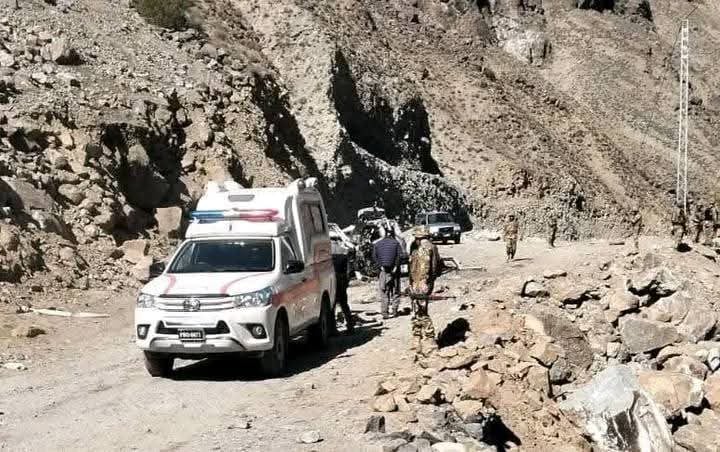




ISLAMABAD: A remote-controlled improvised explosive device detonated targeting a vehicle of the Frontier Works Organization in the Chilas area of Gilgit-Baltistan claiming the life of the driver while seriously injuring a major and three other personnel. The blast occurred in a region long plagued by sporadic militant activities underscoring vulnerabilities along key developmental corridors. Security forces responded swiftly cordoning off the site and initiating a comprehensive investigation to trace the perpetrators and their motives amid heightened concerns over attacks on state institutions.
Gilgit-Baltistan remains strategically vital due to its proximity to international borders and ongoing infrastructure initiatives including road networks under the China-Pakistan Economic Corridor framework. The Frontier Works Organization plays a central role in constructing and maintaining highways in this mountainous terrain where engineering challenges compound security risks. Such targeted assaults disrupt essential operations and pose direct threats to personnel involved in national development efforts often exploiting remote locations for ambushes.
Preliminary reports indicate the explosive was planted along the route and triggered remotely suggesting premeditated planning and local reconnaissance by unknown elements. The injured including the major were immediately shifted to medical facilities in Chilas and Gilgit for treatment while the driver’s martyrdom has been confirmed by official sources. This incident adds to a pattern of violence in Diamer district where Chilas serves as an administrative hub frequently witnessing security challenges.
Investigations have been launched by combined teams of local police Gilgit-Baltistan Scouts and other law enforcement agencies focusing on intelligence gathering and forensic analysis of the blast site. Authorities are examining potential links to banned outfits or disgruntled groups opposing state projects in the area. Past occurrences in the region have involved improvised devices and ambushes highlighting the need for enhanced surveillance and convoy protocols to safeguard personnel.
The Frontier Works Organization has long been instrumental in transforming Gilgit-Baltistan’s connectivity with major highways facilitating trade tourism and access to remote valleys. Attacks on its convoys or vehicles not only endanger lives but also delay critical projects essential for regional economic uplift. Officials emphasized that such acts of terrorism will not deter ongoing development commitments with enhanced security measures already under review.
Gilgit-Baltistan’s security landscape reflects broader national trends where militancy persists despite military operations in adjacent regions. Diamer district in particular has seen intermittent violence including attacks on passenger vehicles and security posts in recent years often attributed to elements seeking to destabilize progress. The latest blast reinforces the urgency for sustained counter-terrorism strategies tailored to high-altitude terrains.
Analysts point out that remote-controlled bombs represent a low-cost high-impact tactic employed by militants to maximize casualties while minimizing direct confrontation. In Chilas the rugged landscape provides ideal cover for such operations complicating rapid response by forces. Strengthening intelligence networks community engagement and technological monitoring along vulnerable routes emerge as key recommendations to mitigate future risks.
The incident has drawn condemnation from regional administration urging unity against terrorism and pledging full support to affected families. Compensation and medical assistance for the injured have been announced alongside assurances that perpetrators will face justice. This event serves as a stark reminder of the fragile security environment in northern areas demanding vigilant oversight and proactive measures.
Broader implications extend to investor confidence in infrastructure ventures with foreign collaboration where consistent stability remains paramount. Authorities reiterated resolve to protect development workers and assets ensuring uninterrupted progress toward regional integration and prosperity despite adversarial challenges.