

ISLAMABAD:
Pakistan is facing an unprecedented water crisis, threatening its agricultural backbone and national security. The nation’s annual aggregate water demand stands at a staggering 274 million acres-feet (MAF).
Agriculture alone accounts for the vast majority of this demand. This sector is the lifeblood of Pakistan’s economy, employing millions and contributing significantly to its GDP.
However, traditional irrigation methods are incredibly inefficient. They result in substantial water loss through evaporation and seepage. This exacerbates the already critical water shortage.
Experts highlight that Pakistan’s per capita water availability has plummeted drastically. It has fallen from 5,000 cubic meters in 1947 to just over 1,000 cubic meters today.
More on this topic: Pakistan Economy & IMF · All topics
This alarming decline places Pakistan among the most water-stressed countries globally. The situation demands immediate and effective interventions to conserve this precious resource.
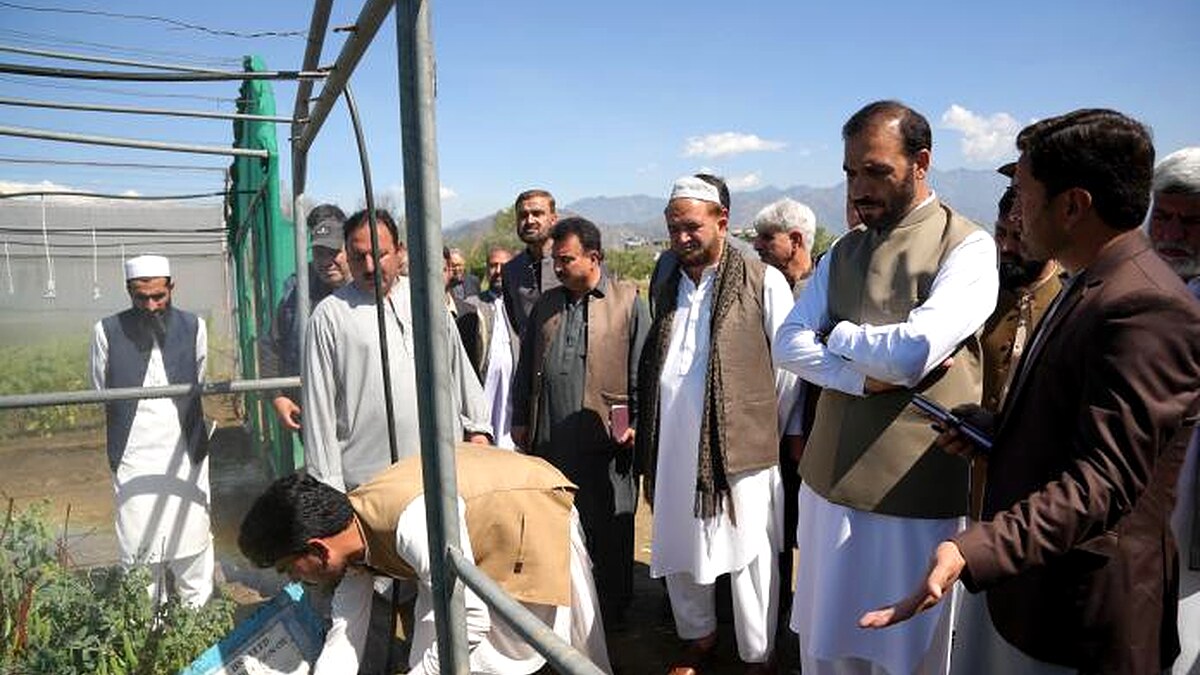
The adoption of micro-irrigation techniques is emerging as a crucial strategy. These methods include drip irrigation and sprinkler systems. They deliver water directly to the plant roots.
This targeted approach significantly reduces water wastage. It ensures that crops receive the optimal amount of moisture needed for growth. This leads to improved crop yields and better quality produce.
Studies indicate that micro-irrigation systems can save up to 60% of water compared to conventional flood irrigation. This is a monumental saving given the scale of agricultural water usage.
The Pakistani government and agricultural bodies are increasingly promoting these advanced irrigation technologies. Incentives and training programs are being introduced to encourage farmers to transition.
The shift towards micro-irrigation is not just about saving water. It also has broader economic and environmental benefits. Reduced water usage means less energy is needed for pumping.
This can lead to lower operational costs for farmers. It also contributes to a reduction in greenhouse gas emissions. Furthermore, efficient water management can help combat land degradation.
The challenges in widespread adoption remain. Initial investment costs for micro-irrigation systems can be a barrier for smallholder farmers. Access to credit and technical support is vital.
Overcoming these hurdles is essential for Pakistan to secure its water future. The long-term implications of inaction are dire, potentially leading to food insecurity and social unrest.
The success of micro-irrigation hinges on a multi-pronged approach. This includes government policy, private sector involvement, and farmer education. Collaboration is key to navigating this complex crisis.
As Pakistan grapples with its water deficit, micro-irrigation offers a tangible path forward. It represents a critical step towards sustainable agriculture and a more water-secure nation. The future of Pakistan’s water resources depends on embracing such innovative solutions.
Source: pakobserver
More on this topic: Economy & IMF →