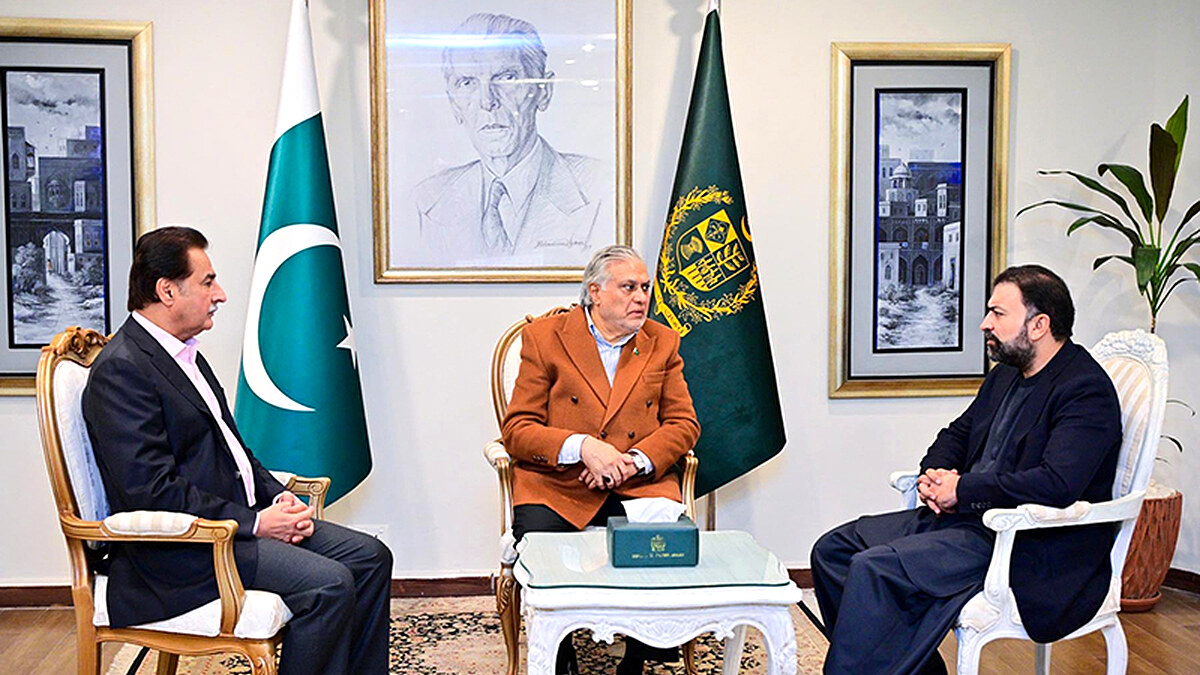




ISLAMABAD: Pakistan’s Deputy Prime Minister and Foreign Minister Ishaq Dar has expressed a hopeful outlook regarding a potential agreement between the United States and Iran, emphasizing the critical need for diplomatic resolution in the face of escalating tensions in the Middle East. His remarks come at a time when the threat of prolonged conflict looms large, raising concerns about its implications for regional stability and global security.
A Call for Diplomacy
In a recent statement, Dar highlighted the importance of dialogue over military confrontation. “I’m a born optimist. I think I would certainly expect that sooner or later, the two sides will come to the negotiating table,” he said. This optimism is rooted in the belief that the international community cannot afford to see a drawn-out war in a region already fraught with instability.
The stakes are incredibly high, as a prolonged conflict could exacerbate humanitarian crises, disrupt global oil markets, and lead to further geopolitical tensions. Dar’s comments resonate with many observers who see diplomacy as the only viable path forward.
Regional Implications of Conflict
The potential fallout from a US-Iran conflict extends beyond the immediate parties involved. Neighboring countries, particularly those in the Gulf region, could face dire consequences. The ripple effects of military engagements often lead to economic downturns, refugee crises, and heightened security threats. Dar’s warning reflects a broader concern shared by many nations in the region that peace is essential for stability.
Moreover, Pakistan, which shares historical ties with both Iran and the United States, stands to be affected by any escalation. The country has long advocated for peaceful resolutions to conflicts, recognizing that a stable Middle East is vital for its own security and economic interests.
The Role of International Actors
As the situation develops, the role of international actors becomes increasingly significant. Countries like China and Russia have historically maintained a more favorable stance towards Iran, while the US has sought to impose sanctions and exert pressure. Dar’s optimism may hinge on the ability of these nations to facilitate dialogue and encourage compromise.
The involvement of organizations such as the United Nations could also play a pivotal role in mediating discussions. Dar’s call for a diplomatic solution aligns with a growing consensus that multilateral efforts are necessary to address the complexities of the US-Iran relationship.
Challenges to Peace
Despite the optimistic tone, significant challenges remain on the path to peace. Historical grievances, ongoing sanctions, and mutual distrust complicate negotiations. The recent escalation of military posturing from both sides has only added to the uncertainty surrounding any potential agreement.
Dar’s comments serve as a reminder that while hope is essential, the road to reconciliation is fraught with obstacles.
Source: Arab News