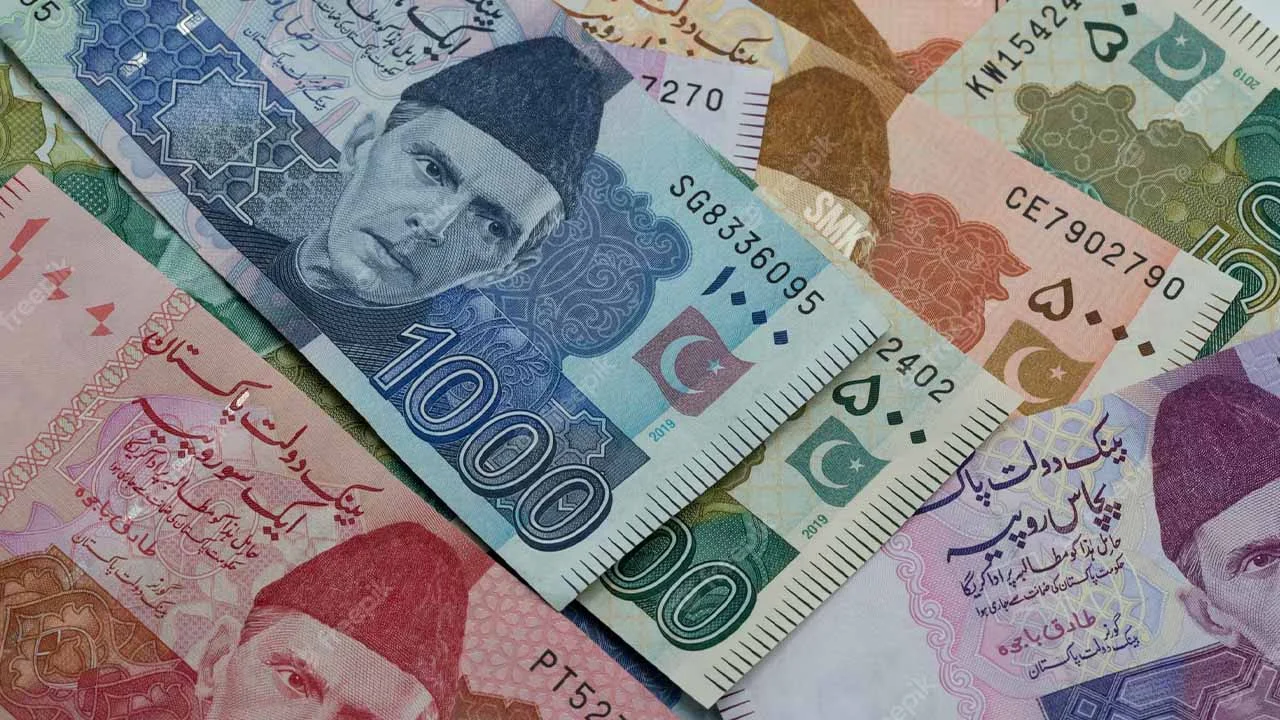




ISLAMABAD: Pakistan is facing a significant financial drain, with estimates suggesting losses ranging from $300 million to $400 million every year. This alarming figure was revealed by Saleem Mandviwalla, the Chairman of the Senate Standing Committee on Finance and Revenue, during a recent visit to Karachi. The core issue lies in the processing of domestic rupee-based card transactions through international payment networks, a practice that raises questions about the efficiency and security of the country’s financial systems.
The revelation has sparked discussions about the underlying causes of this financial hemorrhage. Why are domestic transactions being funneled through international networks, and what can be done to rectify this situation? The implications of these losses extend beyond mere numbers; they reflect a broader issue within Pakistan’s financial infrastructure that needs urgent attention.
Understanding the Financial Drain
The primary concern highlighted by Mandviwalla is the reliance on international payment systems for local transactions. When Pakistani consumers use their debit or credit cards for purchases in rupees, these transactions are often processed by foreign networks. This not only incurs additional fees but also leads to a loss of potential revenue for the local economy.
The financial system’s inefficiency stems from a lack of robust domestic payment processing solutions. As a result, merchants and consumers alike are left to navigate a system that benefits international entities rather than supporting local economic growth. This reliance on foreign networks raises critical questions about the future of Pakistan’s financial independence.
Impact on Local Businesses
The financial losses associated with international card processing have a direct impact on local businesses. For many small and medium enterprises (SMEs), the additional fees can be a significant burden. These costs are often passed on to consumers, leading to higher prices and reduced purchasing power.
Moreover, the inability to retain revenue within the country limits the potential for reinvestment in local businesses. This cycle of financial leakage could stifle innovation and growth in a market that is already facing numerous challenges. What steps can be taken to empower local businesses and reduce their dependence on international payment systems?
Potential Solutions on the Horizon
In light of these challenges, there is a growing call for the development of a robust domestic payment processing infrastructure. Mandviwalla’s comments have reignited discussions among policymakers and industry leaders about the need for investment in local payment solutions.
One potential avenue is the promotion of fintech companies that specialize in payment processing. By fostering a competitive environment for domestic payment solutions, Pakistan could reduce its reliance on international networks and keep more money within its borders. But how quickly can the
Source: TechJuice