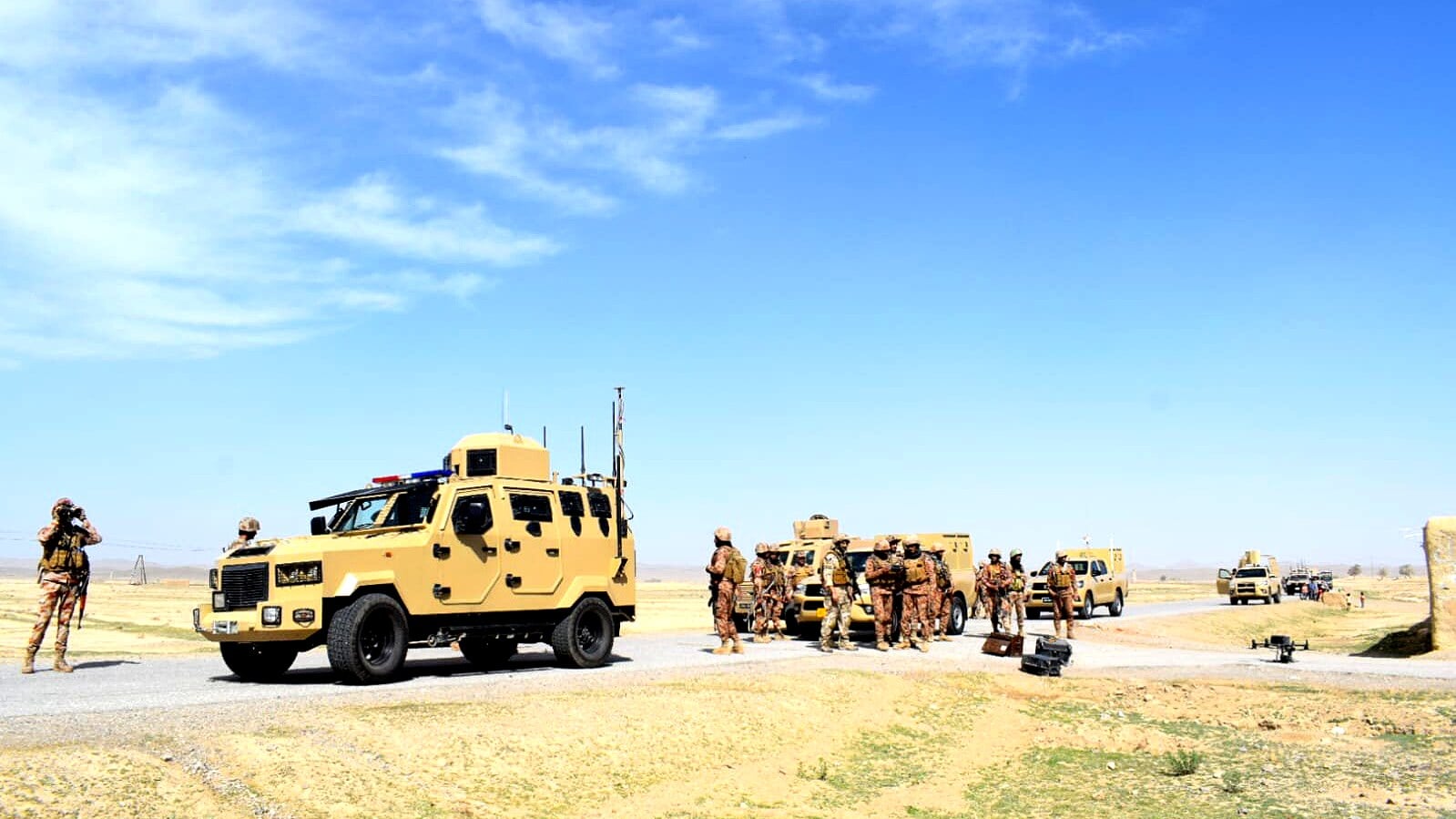




ISLAMABAD: In a series of violent confrontations, clashes resulted in the deaths of 24 militants and four soldiers across the provinces of Balochistan and Khyber Pakhtunkhwa. This alarming surge in violence raises critical questions about the ongoing security situation in the region and the effectiveness of counter-terrorism operations.
The clashes occurred in separate incidents, highlighting the persistent threat posed by militant groups in these areas. In Balochistan, armed militants were confronted in the Kech district, where the intensity of the firefight led to significant casualties on both sides. Reports indicate that the militants were part of a larger network operating in the region, which has been a hotbed for insurgent activities.
Meanwhile, in Khyber Pakhtunkhwa, the situation escalated in the North Waziristan district, where an operation aimed at dismantling militant hideouts resulted in the deaths of four soldiers, further emphasizing the risks faced by the military in these operations. The loss of life among security personnel is a stark reminder of the challenges in maintaining stability in areas plagued by insurgency.
The recent clashes underscore the ongoing struggle against these groups, which have been responsible for numerous attacks on both military and civilian targets.
The government’s response to this surge in violence has been multifaceted, involving not only military operations but also efforts to address the underlying issues that fuel militancy. Development initiatives aimed at improving education, healthcare, and economic opportunities in these regions are crucial in countering the narrative of extremism. However, the question remains: will these efforts be enough to stem the tide of violence?
As the situation evolves, the military’s strategy will likely continue to adapt in response to the changing dynamics on the ground. The recent clashes serve as a reminder of the complexity of the security challenges faced by Pakistan, particularly in its border regions. The loss of both militants and soldiers raises questions about the effectiveness of current tactics and the potential for future engagements.
In the wake of these incidents, the Pakistani government is expected to reassess its security policies and consider a more integrated approach that combines military action with socio-economic development. The aim is to create a sustainable peace that addresses the root causes of militancy while ensuring the safety and security of its citizens.
Looking ahead, the implications of these clashes extend beyond immediate casualties. They reflect a broader struggle for stability in a region that has long been affected by conflict.
Source: timesofindia.indiatimes