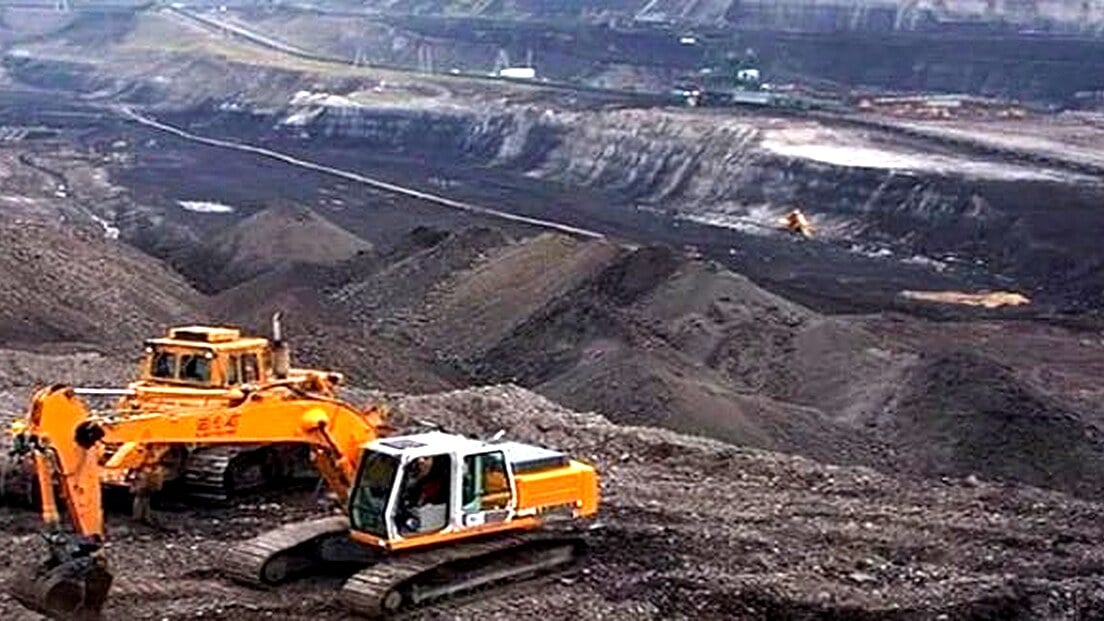




ISLAMABAD: The energy landscape of Pakistan is witnessing a significant transformation, thanks to the Thar coal project, as highlighted by Sindh Senior Minister Sharjeel Inam Memon. At a recent green energy event, Memon emphasized that the electricity generated from Thar coal is not only benefiting Sindh but the entire nation.
The minister underscored that the vision of promoting green energy was first championed by Shaheed Mohtarma Benazir Bhutto. He reiterated that the provincial government is actively pursuing initiatives aligned with her legacy to foster renewable energy and enhance skill development among the youth.
In a bid to empower the younger generation, Memon revealed that training programs are underway for solar panel installation and electric vehicle technology. This initiative aims to equip young people with the necessary skills to thrive in the renewable energy sector, reflecting Bhutto’s commitment to sustainable development.
Memon pointed out that while the Thar Coal Project was originally initiated by Benazir Bhutto, its progress was impeded during the tenure of the Pakistan Muslim League-Nawaz (PML-N) government. He credited Asif Ali Zardari for revitalizing the project in 2008, ensuring its advancement after years of stagnation.
The minister did not shy away from addressing the delays in coal extraction, labeling them as “criminal negligence.” He disclosed that the Sindh government has invested approximately $1 billion in coal extraction efforts, emphasizing the need for timely action to harness this vital resource.
As a result of these efforts, Memon proudly announced that electricity produced from Thar coal has been integrated into the national grid, providing substantial benefits to consumers throughout Pakistan. This development marks a pivotal step toward energy independence and sustainability for the country.
Moreover, Memon highlighted the environmental advantages associated with the conservation of mangrove forests, stating that Pakistan is receiving carbon credit payments through its initiatives aimed at preserving these vital ecosystems. This dual focus on renewable energy and environmental conservation positions Pakistan as a proactive player in the global fight against climate change.
As the nation continues to harness the potential of Thar coal, questions arise about the future of Pakistan’s energy policies and the role of renewable resources in achieving energy security. The ongoing developments in this sector could redefine the energy narrative for Pakistan, paving the way for a more sustainable and economically viable future.
The implications of these advancements extend beyond energy production; they touch upon economic growth, job creation, and environmental stewardship. As Pakistan moves forward, the integration of Thar coal electricity into the national grid may serve as a catalyst for broader reforms in the energy sector, fostering a greener and more resilient economy.
Source: ARY News