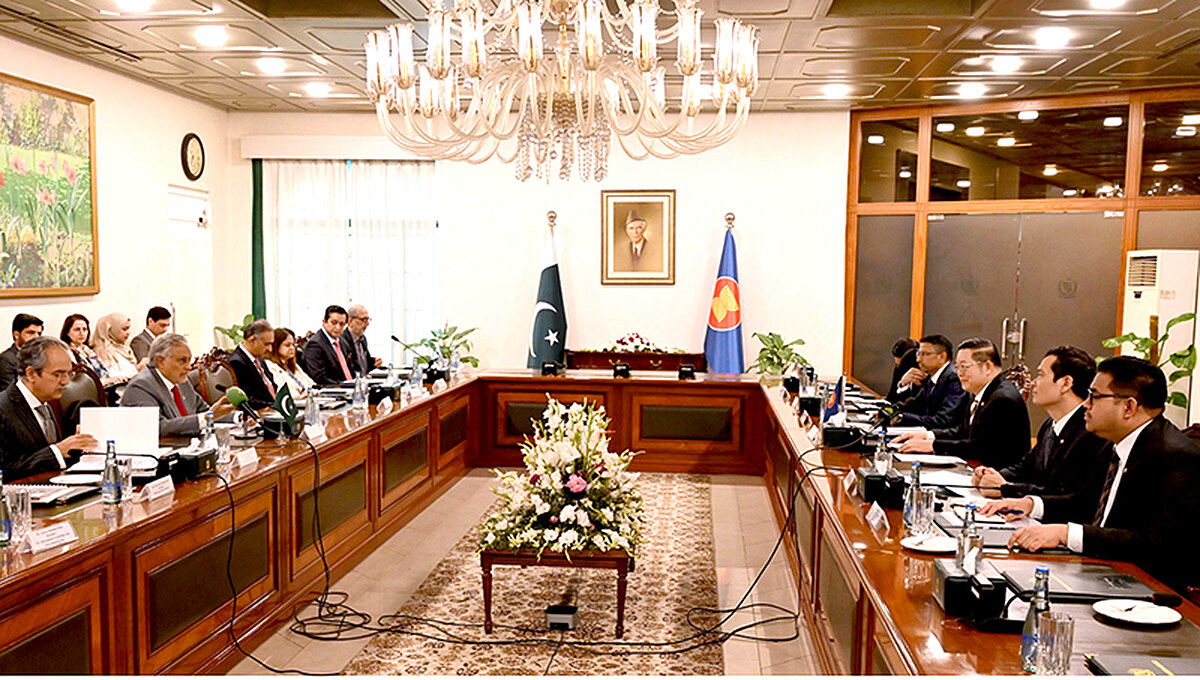




ISLAMABAD: Recent developments in Pakistan’s foreign relations are raising eyebrows and prompting discussions about the country’s global standing. As the nation navigates a complex geopolitical landscape, the implications of these changes could be far-reaching.
A Shift in Diplomatic Engagements
Pakistan’s diplomatic engagements have seen a notable shift in recent months. The government has been actively pursuing stronger ties with various countries, aiming to enhance economic cooperation and security partnerships. This shift is particularly important as Pakistan seeks to bolster its international image and attract foreign investment.
The recent visit of high-ranking officials to key nations has sparked interest. These visits are not merely ceremonial; they are strategic moves aimed at solidifying alliances and addressing mutual concerns. Observers are keen to see how these engagements will influence Pakistan’s standing on the global stage.
Economic Implications of New Alliances
One of the most pressing questions surrounding Pakistan’s diplomatic efforts is the potential economic impact. Strengthening ties with countries that have significant economic clout could pave the way for increased trade and investment opportunities. The government is focusing on sectors such as technology, agriculture, and energy, which could benefit from foreign partnerships.
Moreover, Pakistan’s participation in international forums is expected to enhance its visibility, allowing it to advocate for its interests more effectively. As the global economy continues to evolve, the ability to adapt and forge new relationships will be crucial for Pakistan’s economic growth.
Security Concerns and Regional Stability
While economic ties are essential, security remains a top priority for Pakistan. The nation is strategically located, sharing borders with several key players in the region. Recent developments in Afghanistan and India have raised concerns about stability, prompting Pakistan to reassess its security strategies.
The government is keen on fostering dialogue with neighboring countries to address mutual security concerns. This approach could lead to a more stable regional environment, benefiting not only Pakistan but also its neighbors. The question remains: will these diplomatic overtures be enough to mitigate tensions in the region?
Public Sentiment and National Unity
As Pakistan navigates these changes, public sentiment plays a crucial role. The government is aware that a united front is essential for successful foreign policy. Recent surveys indicate that citizens are increasingly supportive of efforts to strengthen international ties, particularly with countries that share common interests.
However, challenges remain. Domestic issues, including economic hardships and political instability, could overshadow diplomatic efforts. The government must strike a balance between addressing internal concerns and pursuing a proactive foreign policy.