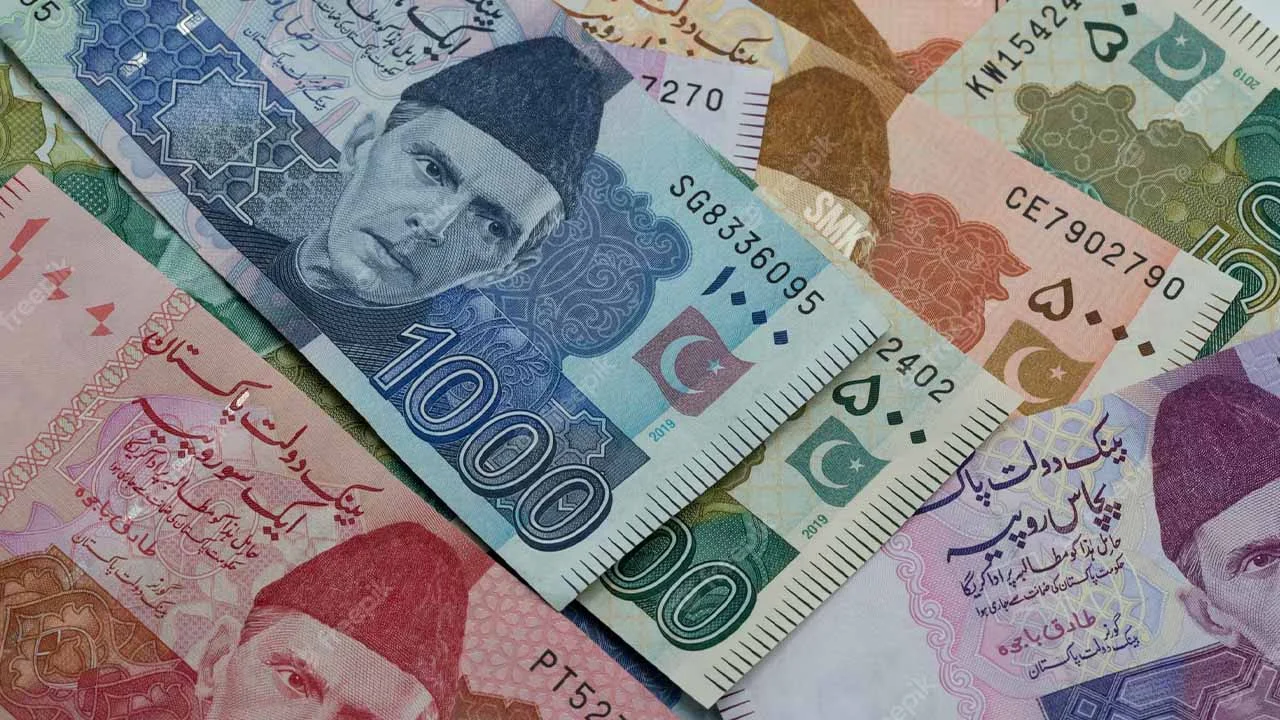




ISLAMABAD: Pakistan’s foreign exchange reserves have taken a surprising turn, with a notable decline of $64 million, raising questions about the country’s economic stability. This decline comes despite a recent increase in the reserves held by the State Bank of Pakistan (SBP), which saw a rise of $15 million to reach $21.587 billion during the week ending November 13, 2026.
What does this mean for Pakistan’s economy? The fluctuation in forex reserves is a critical indicator of a country’s economic health, reflecting its ability to manage external debts and maintain currency stability. The recent data reveals a complex picture: while the SBP’s reserves show a positive trend, the overall liquid reserves tell a different story.
Understanding the Components of Forex Reserves
Forex reserves are divided into two main categories: those held by the central bank and those held by commercial banks. The SBP’s reserves are crucial for managing monetary policy and ensuring the stability of the Pakistani Rupee. The increase in SBP reserves is a positive sign, suggesting that the central bank is in a stronger position to intervene in the currency market if necessary.
However, the total liquid foreign exchange reserves, which include both the SBP’s reserves and those held by commercial banks, fell to $26.775 billion. This decline indicates that while the central bank is gaining ground, the overall liquidity in the market is tightening, which could have broader implications for trade and investment.
What Factors Contributed to the Decline?
Several factors could explain the drop in total liquid reserves. One significant reason could be increased import payments, which often lead to a decrease in forex reserves. As Pakistan continues to import essential goods and services, the demand for foreign currency rises, putting pressure on the reserves. Additionally, any fluctuations in remittances or foreign investments can also impact the overall liquidity.
The balance of payments situation is another critical aspect to consider. If the outflow of foreign currency exceeds the inflow, it can lead to a decline in total reserves. The recent economic policies and global market conditions may have also played a role in shaping this scenario.
The Implications for Economic Policy
The decline in total liquid forex reserves raises questions about the effectiveness of current economic policies. Policymakers must closely monitor these trends to ensure that the country can maintain its economic stability. A proactive approach may be necessary to address potential vulnerabilities in the forex market, particularly as the global economic landscape continues to evolve.
Furthermore, the government may need to explore new avenues for boosting foreign investment and enhancing export performance. Strengthening the economy’s fundamentals will be vital in reversing the downward trend in reserves and ensuring long-term stability.
Looking Ahead: What’s Next for Pakistan’s Economy?
Source: TechJuice