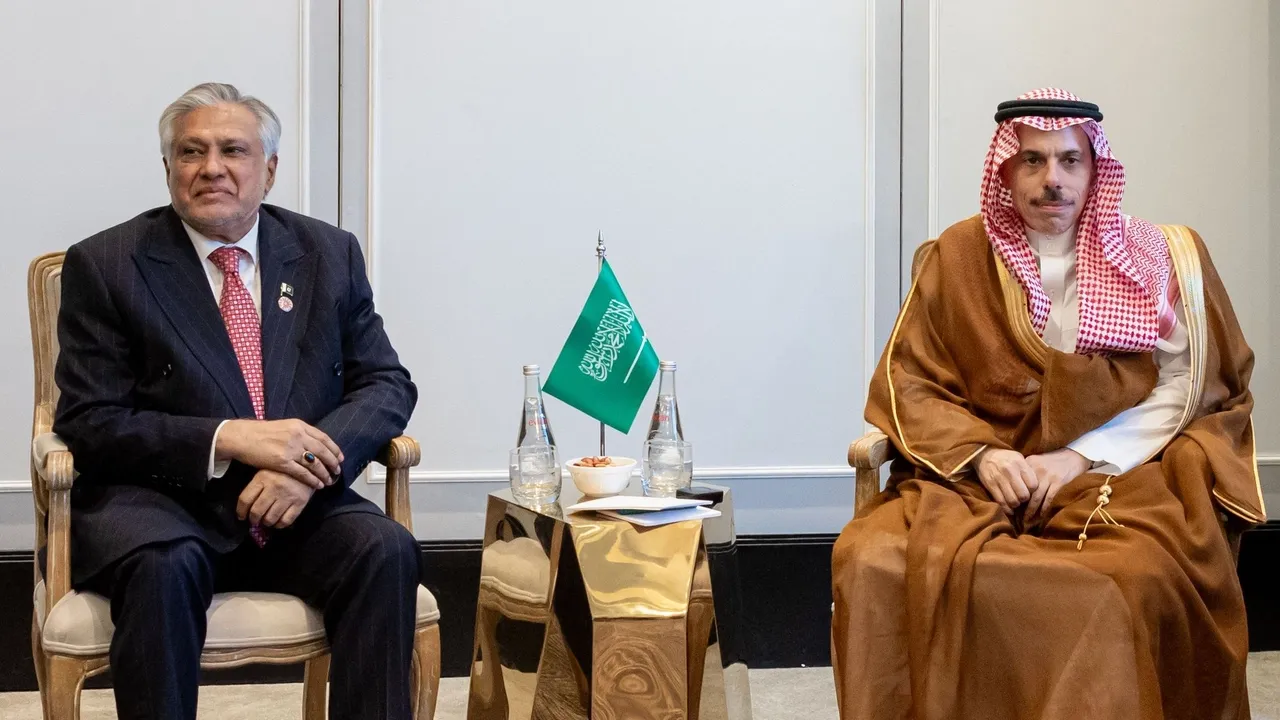




ISLAMABAD: A significant development is on the horizon as Saudi Arabia is contemplating a monumental $30 billion investment in Pakistan’s energy infrastructure. This initiative aims to establish new gas supply routes that would connect Pakistan’s western border with Gwadar.
The proposal stems from a collaborative agreement between Delta Energy Saudi, a prominent Saudi energy company, and Pakistan’s Inter State Gas Systems. This partnership is set to evaluate the feasibility of developing essential infrastructure, including gas pipelines, LNG facilities, processing and storage systems, and export terminals.
A Strategic Gas Network
The proposed network is not just about facilitating local energy needs; it also includes the ambitious plan to transport natural gas from Afghanistan into Pakistan. The Kashk gas concession and other resources from Afghanistan have been identified as potential supply sources. This could mark a significant shift in regional energy dynamics, enhancing Pakistan’s energy security and fostering economic growth.
The planned pipeline network would stretch from Chaman, located near the Afghan border, across Pakistan. Delta Energy has characterized this route as a strategic proposal that necessitates formal discussions and agreements with Pakistani authorities.
A Distinct Initiative
It is crucial to note that this initiative is distinct from the existing Turkmenistan-Afghanistan-Pakistan-India (TAPI) pipeline project. Delta Energy has clarified that the new proposal will not rely on Turkmen gas supplies, thereby creating an independent energy corridor that could reshape the region’s energy landscape.
However, it is essential to understand that the current agreement between Delta Energy and Pakistan’s Inter State Gas Systems serves only as a framework for evaluating potential infrastructure projects. It does not signify a final investment decision or a confirmed commitment to finance or construct the proposed network.
Economic Implications
The potential investment could have far-reaching implications for Pakistan’s economy. By enhancing energy infrastructure, the country could see a boost in industrial growth, job creation, and foreign investment. Moreover, improved energy supply routes could facilitate trade and economic cooperation with neighboring countries.
As the discussions progress, questions remain about the timeline for this ambitious project and the specific terms of engagement with Pakistani authorities. The success of this initiative will depend on diplomatic negotiations and the ability to navigate the complex geopolitical landscape of the region.
Future Prospects
With Saudi Arabia’s interest in investing heavily in Pakistan’s energy sector, the future looks promising. However, the path ahead is fraught with challenges that will require careful planning and strategic negotiation.
Source: TechJuice