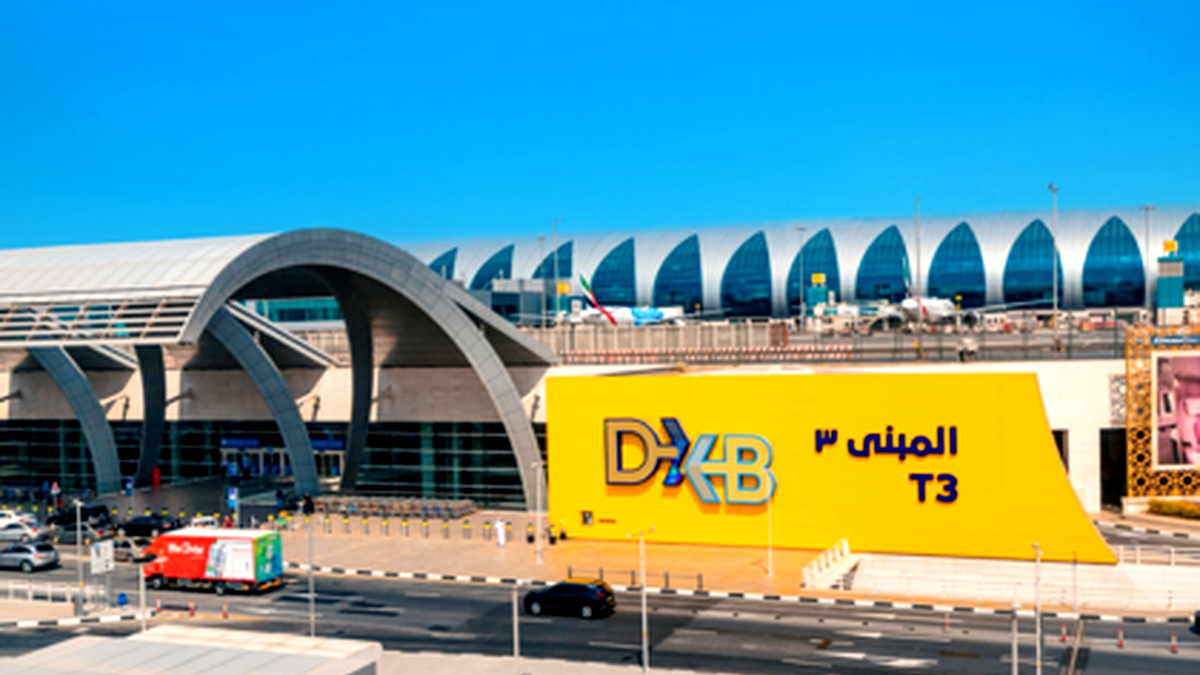




ISLAMABAD: Dubai International Airport (DXB) reported a staggering 28.1% decline in passenger traffic during the first nine months of 2026, accommodating only 50.4 million travelers compared to the previous year. The downturn is largely attributed to disruptions caused by ongoing conflicts in the Middle East, which have significantly impacted regional travel.
The conflict in the region has created a challenging environment for air travel. Several countries temporarily closed their airspace at the onset of the hostilities, causing widespread disruption. Although Gulf carriers, known for their extensive international networks, have gradually resumed operations, the recent attacks on Saudi Arabia by Yemen’s Iran-aligned Houthis have raised concerns about the stability and safety of air travel in the area.
In the third quarter of 2026 alone, DXB welcomed 18.8 million passengers, marking a 22.1% decrease compared to the same quarter in the previous year. This decline underscores the ongoing challenges faced by the airport, which is recognized as one of the busiest hubs for international travel globally.
Despite the current downturn, Dubai Airports remains optimistic about the future. CEO Paul Griffiths stated that the airport is projected to handle around 70 million passengers by the end of this year. This expectation reflects a cautious optimism that travel will rebound as airlines continue to restore services to the region.
Notably, some airlines that had previously suspended flights to Dubai due to the conflict have resumed operations in recent months. British Airways is among those airlines that have returned, signaling a potential recovery in international travel to and from Dubai.
Dubai Airports highlighted that both direct and transfer traffic at DXB have remained relatively balanced throughout the year. This balance emphasizes the airport’s critical role as both a gateway to Dubai and a vital connecting point for international travelers. The ability to facilitate both direct flights and connecting journeys is crucial for the airport’s recovery as global travel patterns begin to stabilize.
As the situation in the Middle East evolves, the future of travel through Dubai International Airport remains uncertain. With ongoing conflicts and geopolitical tensions, the potential for further disruptions looms. The airport’s ability to adapt to these challenges will be essential in navigating the complex landscape of international air travel.
The recovery of passenger traffic at DXB will not only depend on the resolution of regional conflicts but also on the broader global economic conditions and travel trends. As airlines adjust their operations and travelers reassess their plans, the coming months will be critical in determining the trajectory of Dubai’s aviation sector.
In conclusion, while the current statistics paint a challenging picture for Dubai International Airport, the resilience of the aviation industry and the strategic importance of
Source: Business Recorder