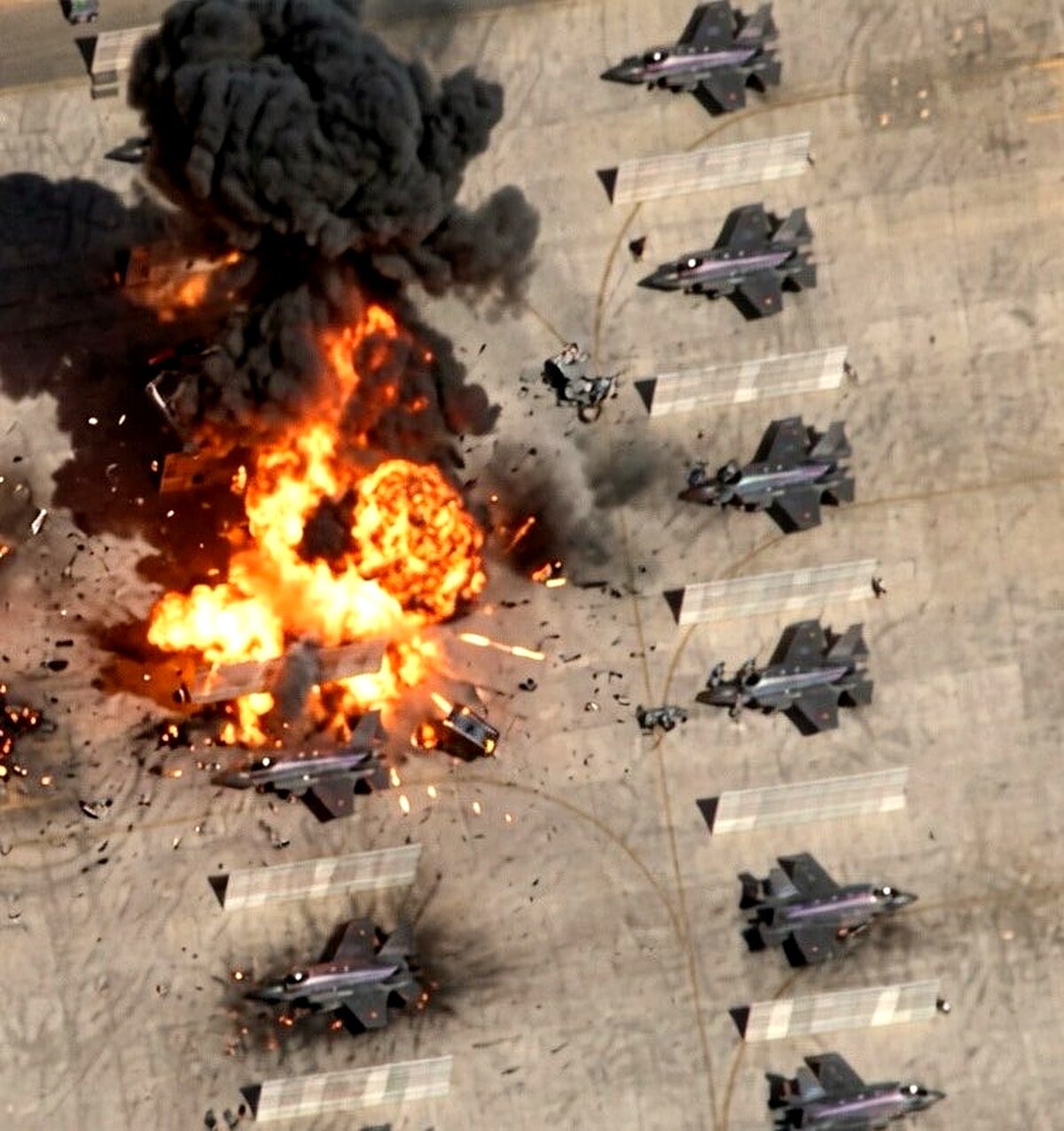




ISLAMABAD: Recent airstrikes conducted by the United States and Israel on concealed Iranian missile sites have sparked a significant debate among analysts regarding the justification for ongoing dam projects in the region. These military actions, which have drawn international attention, may provide insights into the broader implications of military strategy and environmental considerations in the Middle East.
The airstrikes, which occurred earlier this year, targeted locations believed to house advanced missile technology. Analysts suggest that these strikes not only aimed to neutralize perceived threats from Iran but also inadvertently highlighted the strategic importance of water resources in the region. The question now arises: how do these military operations relate to the environmental and geopolitical narratives surrounding dam construction in Iran?
The Iranian government has been actively pursuing dam projects to manage its water resources, particularly in light of growing concerns over water scarcity. These initiatives are often justified by the need to enhance agricultural productivity and ensure water supply for the population. However, the airstrikes have raised concerns about the potential for these dams to be used as strategic military assets, complicating the narrative surrounding their environmental impact.
As tensions escalate, the relationship between military actions and environmental policies becomes increasingly complex. The airstrikes underscore a potential shift in focus from conventional military threats to the strategic significance of natural resources. This raises an essential question: could the military’s interest in Iran’s missile capabilities be intertwined with the country’s water management strategies?
The implications of this situation extend beyond military strategy. Environmentalists have expressed concerns that the construction of large dams can lead to ecological degradation, displacement of communities, and alteration of local ecosystems. The airstrikes serve as a reminder that military actions can have far-reaching consequences, not only for national security but also for environmental sustainability.
Furthermore, the international community is now faced with the challenge of reconciling military objectives with the pressing need for sustainable water management in the region. The airstrikes may have inadvertently spotlighted the delicate balance between security and environmental stewardship, prompting a reevaluation of policies surrounding dam construction and water resource management.
As analysts continue to dissect the ramifications of the airstrikes, questions linger about the future of Iran’s water projects. Will the military’s focus on missile technology shift the narrative surrounding dam construction? How will the Iranian government respond to these military actions in terms of its environmental policies? The answers to these questions remain uncertain, but the intersection of military strategy and environmental concerns is becoming increasingly relevant.
Source: New York Times