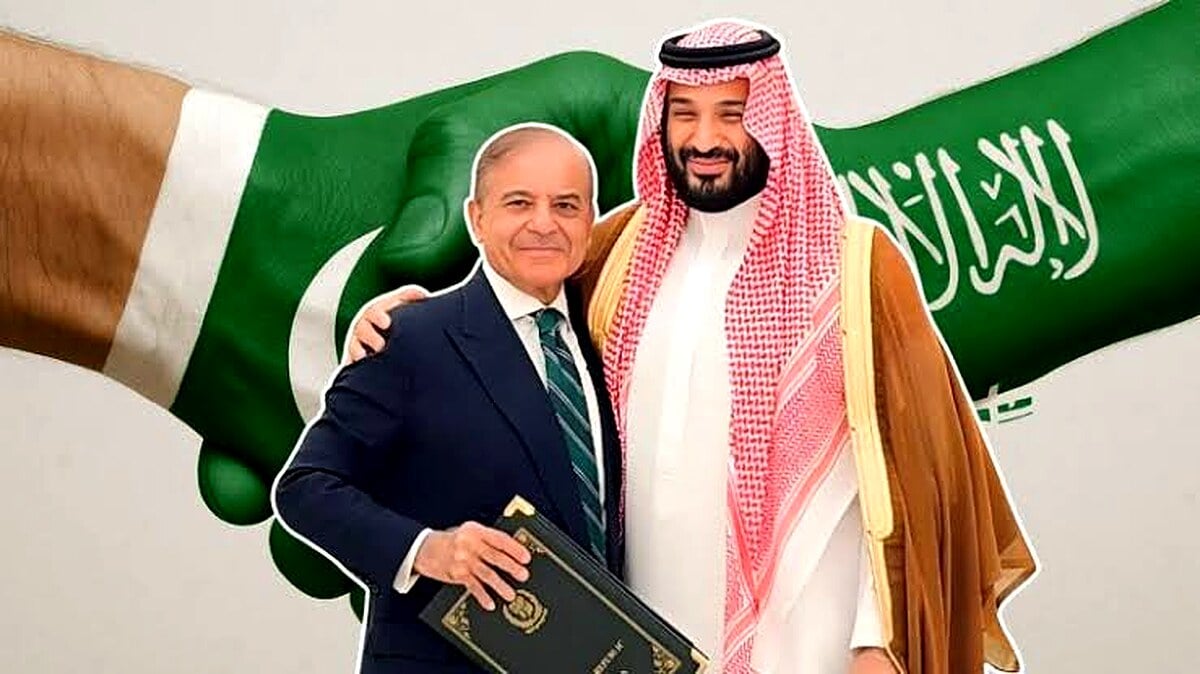




ISLAMABAD: Several major Muslim nations are on the verge of enhancing their defense ties in a strategic collaboration.
Turkey, Egypt, and Qatar are reportedly set to join the Pakistan-Saudi Arabia mutual defense pact.
This development is poised to significantly shift the balance of power in the region, sparking global interest.
The potential inclusion of these countries indicates a new era of military cooperation across the Middle East.
According to Al Jazeera, discussions have intensified over recent months, aiming to fortify regional stability and security.
The pact promises to foster stronger military alliances amid rising geopolitical tensions.
An anonymous official from the Saudi Ministry of Defense mentioned that preliminary agreements are nearing completion.
This anticipated alliance underscores the importance of unified defense strategies against common threats.
The collaboration will likely cover joint military exercises, intelligence sharing, and strategic planning.
Diplomatic sources reveal that negotiations have been facilitated by mutual geopolitical interests.
For Turkey and Egypt, joining the pact aligns with their broader foreign policy objectives.
Both nations are keen on securing their regional influence while deterring external hostilities.
Qatar’s participation signals its intent to strengthen ties with long-standing allies.
The Gulf Times highlighted Qatar’s growing role in fostering regional peace through cooperative defense endeavors.
Analysts suggest that these connections could also boost economic and technological exchanges.
Military analysts have noted that the pact might include developing advanced defense systems.
This cooperation could potentially lead to co-production of military technology among member states.
The inclusion of technologically sophisticated nations like Turkey adds significant leverage to the pact.
Regional observers are closely monitoring how this alliance will affect existing defense dynamics in the region.
With this pact, Pakistan and Saudi Arabia could solidify their positions as key defense players.
Amid these developments, the role of existing alliances like the Gulf Cooperation Council remains uncertain.
Questions arise about how this new coalition will coexist with other defense agreements.
As this story unfolds, the international community watches for signs of potential shifts in military power.
This is a developing story, and further updates will detail the finalized agreements and their implications.