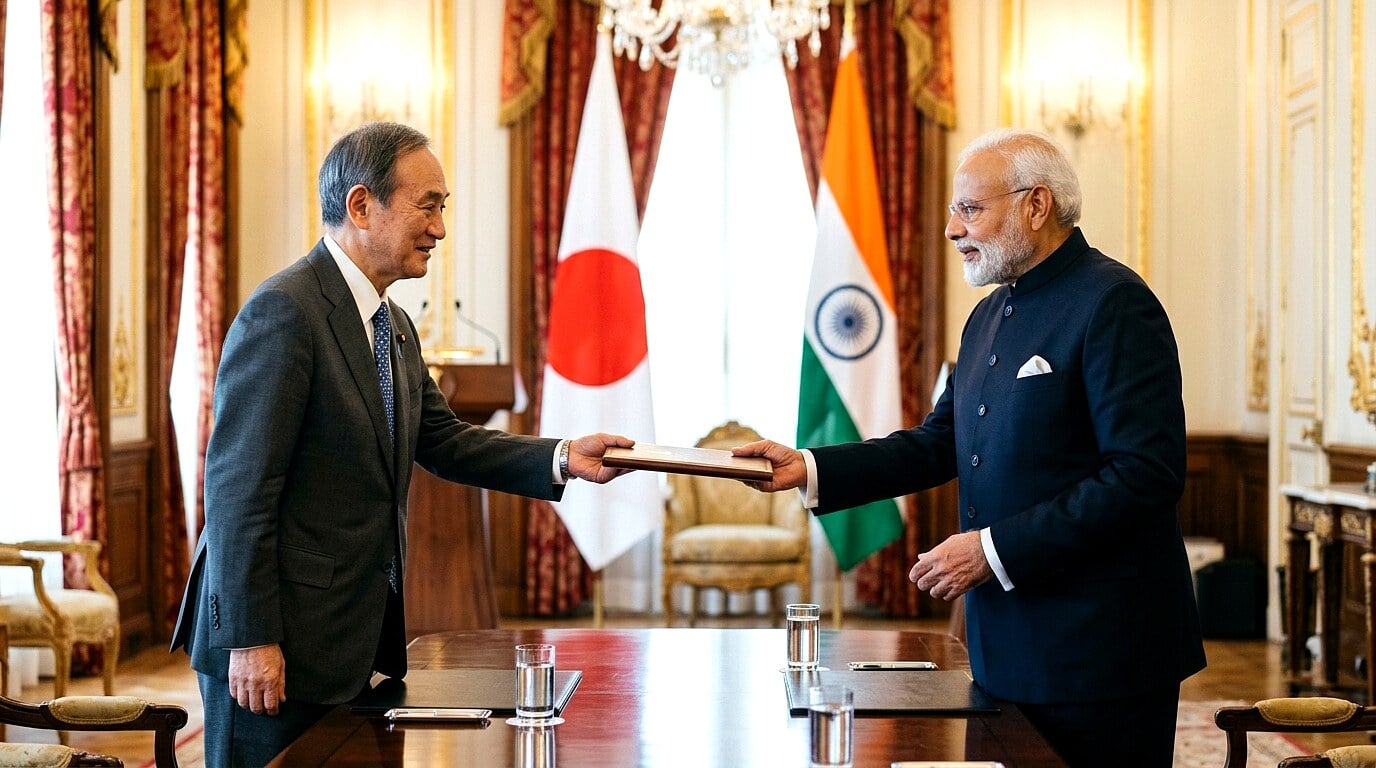




ISLAMABAD: In a surprising diplomatic move, Japan has aligned with India regarding accusations of cross-border terrorism from Pakistan.
The joint statement between Japan and India marks a departure from Japan’s traditionally neutral stance.
Historically, Japan has refrained from directly naming Pakistan in such contexts.
This policy shift is interpreted as Japan siding with New Delhi’s narrative on regional security concerns.
Japan’s change in position comes amid growing global scrutiny on terrorism and regional security stability.
The joint statement specifically referenced “cross-border terrorism from Pakistan,” a first for Japanese diplomacy in South Asia.
This decision might reflect Japan’s strategic interests aligning more closely with India’s geopolitical perspective.
Previously, Japan had avoided implicating Pakistan, even after incidents like the 2019 Pahalgam attack.
Japan’s endorsement comes amid shifting dynamics in Asia, as global powers reassess alliances.
This has raised questions about future Japanese diplomatic strategies in relation to South Asia.
Analysts suggest that Japan’s move may be part of broader international cooperation against terrorism.
Such cooperation could strengthen India’s position in global forums where cross-border tensions are addressed.
The joint statement also addresses economic and security cooperation, highlighting a multifaceted bilateral relationship.
As economic partners, both nations are vital participants in regional infrastructure and strategic connectivity projects.
This growing partnership could be a factor in Japan’s willingness to speak more openly about sensitive security issues.
The joint statement did not gain much traction in Pakistan due to other dominant regional issues.
However, such explicit endorsements by major economies can influence international perspectives on regional conflicts.
This development may strain Japan-Pakistan relations, prompting diplomatic engagements to address concerns.
It could also provoke a response from Islamabad as it navigates regional and international pressures.
The Japanese endorsement raises broader questions about how shifting alliances may impact regional security dynamics.
This is a developing story, with potential implications for diplomatic, economic, and security frameworks in the region.
Observers will be keenly watching for any official responses from both Pakistan and Japan.