



ISLAMABAD: In a significant development, Pakistan and China have inked an agreement to establish a lithium-ion battery plant in Karachi. This joint venture is set to enhance Pakistan’s local industry and green energy sector, marking an important milestone. According to local sources, the plant will be located in the Korangi Industrial Area.
The initial production phase is expected to yield about 2,000 batteries monthly. Anticipation surrounds the start of production, which is slated for the next two to three months. As reported by Dawn, this project will significantly boost Pakistan’s rapidly growing solar energy sector.
Electric vehicle production in Pakistan could see a boost as a result. This plant is envisioned to reduce costs and foster local manufacturing of electric vehicles. However, complete technology transfer and expertise are projected to take several years.
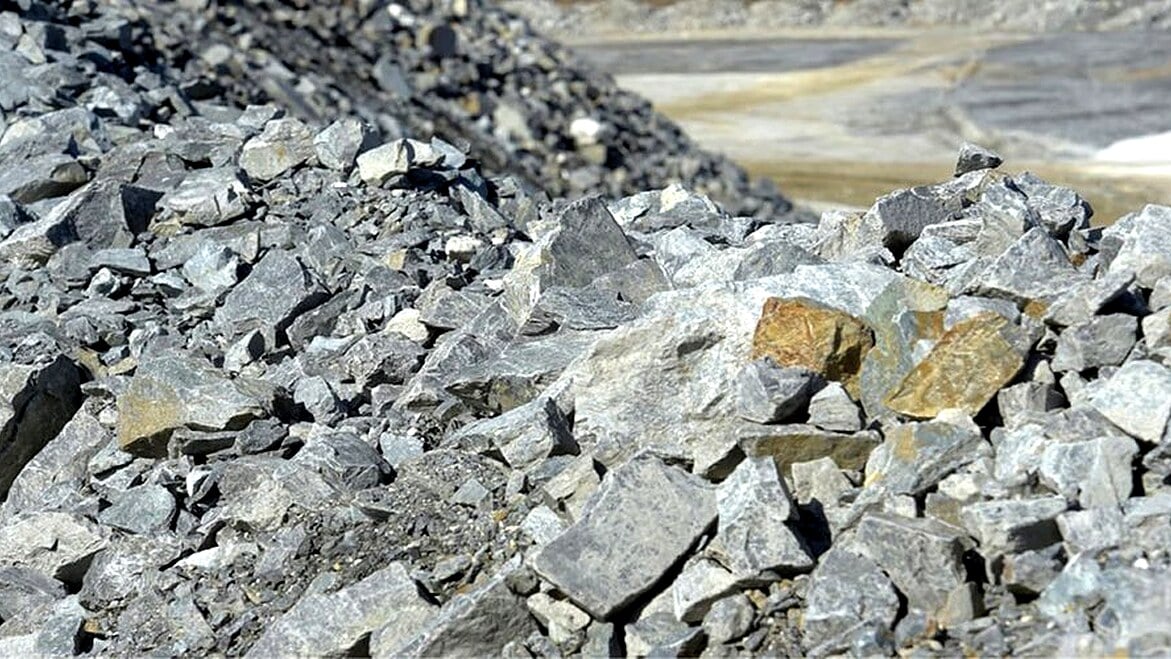
The project’s broader implications include establishing a new industrial base. It could position Pakistan as a crucial part of the global green energy supply chain. According to industry analysts, the lithium reserves in Balochistan and Gilgit-Baltistan are vast.
Responsible exploitation of these lithium reserves can spur foreign investment. The influx of modern technology could allow Pakistan to meet its energy needs. Furthermore, it can generate valuable foreign exchange through exports.
This endeavor goes beyond constructing a plant. It signifies a major step towards shaping Pakistan’s industrial, mineral, and energy future. Reports from The Express Tribune highlight that this could transform the country’s economic landscape.
This plant represents a collaborative effort between Pakistani and Chinese engineers. It is expected to leverage extensive resources and technology from China. As reported by Business Recorder, this venture is part of China’s broader Belt and Road Initiative.
Challenges remain, mainly involving the transfer of cutting-edge technologies. However, experts argue that these hurdles are surmountable with effective collaboration. The project’s success could set a precedent for future industrial collaborations.
This is a developing story, and further updates will follow as the project progresses. The international community is keeping a keen eye on this strategic partnership. The economic and technological impacts are expected to unfold over the coming years.