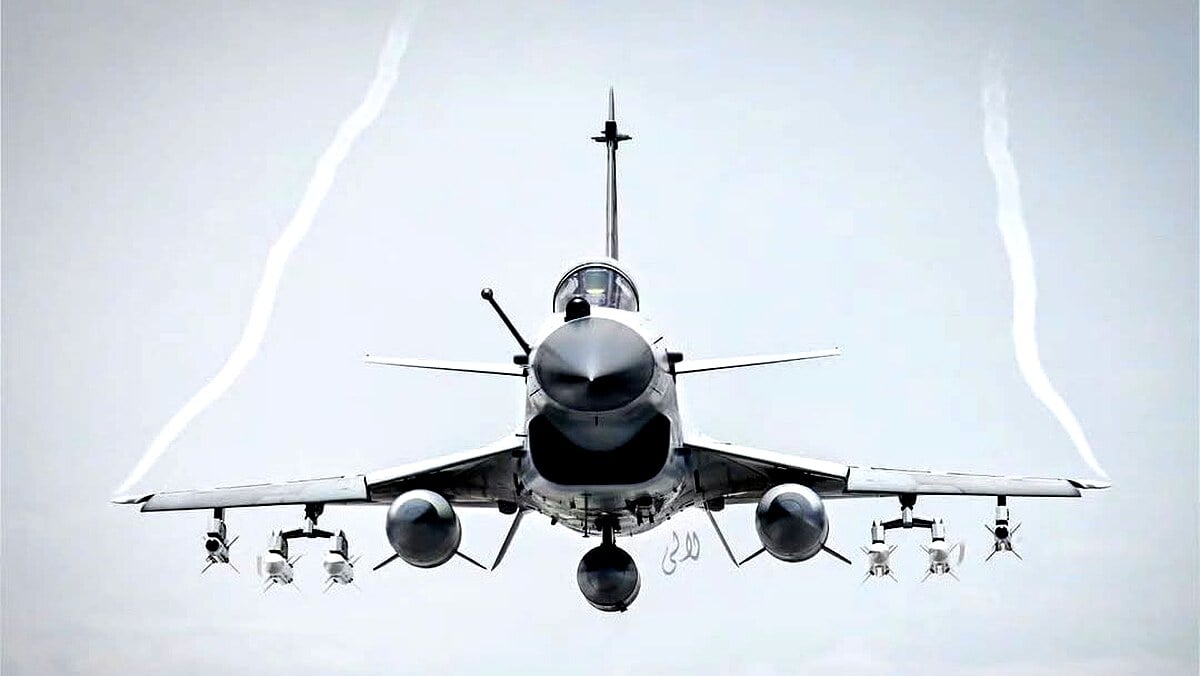




ISLAMABAD: The Government of Pakistan has announced a 39.62 percent increase in funding for physical defense assets in the 2026-27 federal budget, allocating Rs925.83 billion for the procurement of modern weapons, arms, ammunition, military equipment, and related platforms.
This marks the sharpest rise within the overall defence allocation of approximately Rs3 trillion, up about 18 percent from the previous year. The move aims to strengthen conventional capabilities amid evolving regional security dynamics.
Finance Minister Muhammad Aurangzeb presented the budget details in parliament on Friday, highlighting the need to enhance military preparedness. Officials described the increased physical assets funding as critical for force modernisation and equipment acquisition.
The physical assets head, which covers procurement, previously stood at Rs663.08 billion in the current fiscal year. The new allocation represents nearly 31 percent of the total defence budget.
Senior defence officials stated that the funds will support acquisition of advanced systems to address operational requirements and replace aging assets. This follows a period where personnel and operational costs had taken a larger share of expenditure.
Pakistan’s defence spending has historically formed a significant portion of the national budget. In recent years, it has hovered around 1.7 to 2 percent of GDP, with adjustments made in response to security developments.
The 2026-27 budget comes against the backdrop of ongoing regional tensions, including past border incidents and the need to maintain deterrence across multiple domains. The emphasis on physical assets signals a renewed push toward modernisation of army, air force, and navy platforms.
Defence analysts note that major imports and acquisitions often supplement this allocation, though specific details remain classified for security reasons. The increase is expected to facilitate procurement in areas such as armoured vehicles, artillery systems, air defence, naval assets, and precision munitions.
Pakistan maintains close defence cooperation with China, its primary supplier for much of its modern equipment. Joint projects include the JF-17 fighter aircraft, various missile systems, and frigates. Domestic production through entities like Pakistan Ordnance Factories also benefits from such budgets.
The total federal budget for 2026-27 stands at Rs18.77 trillion, with defence receiving priority alongside efforts to meet fiscal targets under international commitments.
Military spokespersons have welcomed the allocation, describing it as essential for operational readiness. “This funding will enable us to equip our forces with contemporary tools to safeguard national interests,” one senior officer remarked on background.
Key figures include the jump from Rs663 billion to Rs925.83 billion for physical assets. Overall defence expenditure rises to Rs3 trillion, reflecting an 18 percent nominal increase.
Background context shows Pakistan’s defence budget has grown steadily but faces pressures from economic challenges, debt servicing, and development needs. In previous years, allocations supported counter-terrorism operations and conventional upgrades following regional events.
Public and parliamentary reactions have been largely supportive, with opposition parties acknowledging security imperatives while calling for greater transparency in utilisation and complementary investments in human development. Markets showed measured response, with defence-related stocks remaining stable.
The allocation aligns with broader strategic goals of maintaining a credible conventional deterrent while advancing indigenous production capabilities. Pakistan continues to diversify suppliers where possible, though China remains the dominant partner for major systems.
This budget shift occurs as Pakistan navigates complex geopolitics in South Asia and beyond. Enhanced capabilities in areas like air defence, precision strike, and maritime security are seen as necessary responses to evolving threats, including hybrid warfare and technological advancements by adversaries.
Experts point out that while the percentage increase in physical assets is notable, actual spending power will depend on inflation, exchange rates, and procurement timelines. Rupee depreciation has historically affected import costs for high-tech platforms.
The government has also indicated continued support for local defence industry. Entities such as Heavy Industries Taxila, Pakistan Aeronautical Complex, and Karachi Shipyard are expected to receive indirect boosts through modernisation contracts that involve technology transfer and local assembly.
In terms of specifications, the funding targets platforms with improved ranges, accuracy, and integration. Examples from ongoing programmes include upgrades to armoured fleets, acquisition of modern artillery, and enhancement of naval strike capabilities.
Strategic observers suggest the move strengthens Pakistan’s position in maintaining balance in the region. It underscores commitment to self-reliance in defence while addressing immediate operational gaps identified in recent assessments.
Looking ahead, implementation will involve multiple ministries and armed forces branches. Procurement processes are expected to accelerate in the coming months, with tenders and contracts likely to focus on high-priority items.
Questions remain about long-term sustainability given fiscal constraints. Future budgets may need to balance this modernisation drive with economic recovery measures and social sector spending.
The 2026-27 defence budget, particularly the physical assets component, represents a clear policy signal. It prioritises capability enhancement to meet contemporary security challenges while supporting domestic industrial growth.
Developments in execution and outcomes will be closely watched by regional actors and international partners as Pakistan advances its conventional force posture.