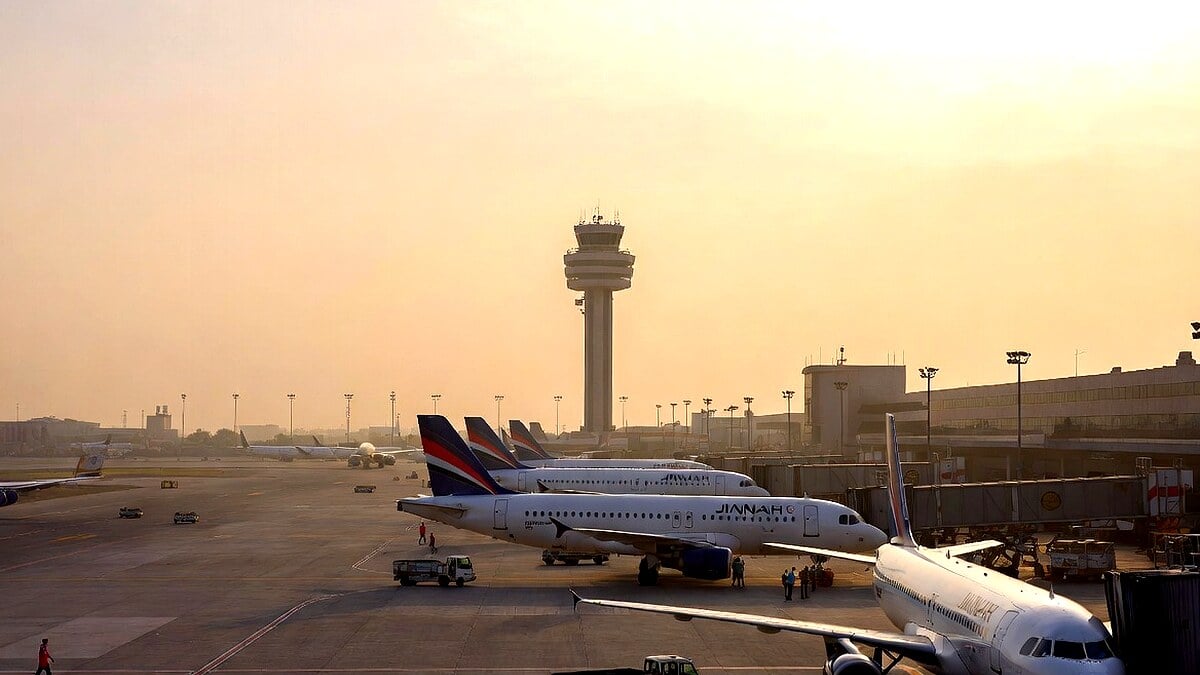




ISLAMABAD: Pakistan’s aviation sector witnessed the cancellation of 83 flights to and from the country within the last 24 hours due to administrative reasons, aviation sources confirmed on Sunday.
Major airports reported varying operational numbers during this period. Karachi saw 123 flights operated, Islamabad 134, and Lahore 100. Smaller airports recorded lower volumes with Multan handling 23, Peshawar 16, Sialkot 20, Faisalabad 4, and Quetta 10 flights.
According to the flight schedule, 20 flights were cancelled from Karachi, 19 from Islamabad, 15 from Lahore, and 11 from Multan. Additional cancellations included five each from Quetta and Faisalabad, four from Peshawar, and two each from Sukkur and Gilgit. Over 20 Jeddah-bound flights were also cancelled due to low passenger load.
The cancellations come as Eid-ul-Adha travel demand remains high, with many passengers planning domestic and international journeys. Aviation authorities have not issued a detailed breakdown of specific administrative causes but sources indicated scheduling adjustments and operational streamlining as key factors.
A separate Eid-ul-Adha cleanliness drive has been launched across major cities. Authorities in various provinces announced strict action against those spreading litter, with heavy fines imposed on violators to maintain public hygiene during the festive period.
Flight operations data reflects the scale of Pakistan’s aviation network. Karachi, Islamabad, and Lahore together accounted for over 357 flights operated in the 24-hour period despite the cancellations. This represents a significant portion of both domestic connectivity and international routes, particularly to the Middle East.
Industry observers noted that pre-Eid periods often see last-minute schedule changes as airlines adjust to actual passenger loads. The cancellation of multiple Jeddah flights points to weaker than expected demand on certain international sectors, a common occurrence when expatriates adjust travel plans around Eid dates.
The Civil Aviation Authority (CAA) maintains oversight of all scheduling approvals. Administrative cancellations typically involve regulatory clearances, crew availability, or airport slot management rather than technical issues with aircraft.
Market impact remains limited so far. However, passengers have faced inconvenience with several families reporting disrupted travel plans during the Eid period. Airlines are expected to accommodate affected passengers on alternative flights where possible.
**Broader Implications**
The episode highlights ongoing challenges in balancing high seasonal demand with operational efficiency in Pakistan’s aviation sector. With several new airlines entering the market in recent years, coordination between carriers, airports, and regulators has become more complex.
Future Eid travel periods may require better advance planning and communication from airlines to minimise such disruptions. Authorities are likely to review current scheduling mechanisms to ensure smoother operations during peak religious and holiday seasons.
Regional connectivity remains a priority as Pakistan continues to expand air links with Central Asia and the Gulf. How effectively administrative hurdles are managed will influence both passenger confidence and the sector’s growth trajectory in the coming months.