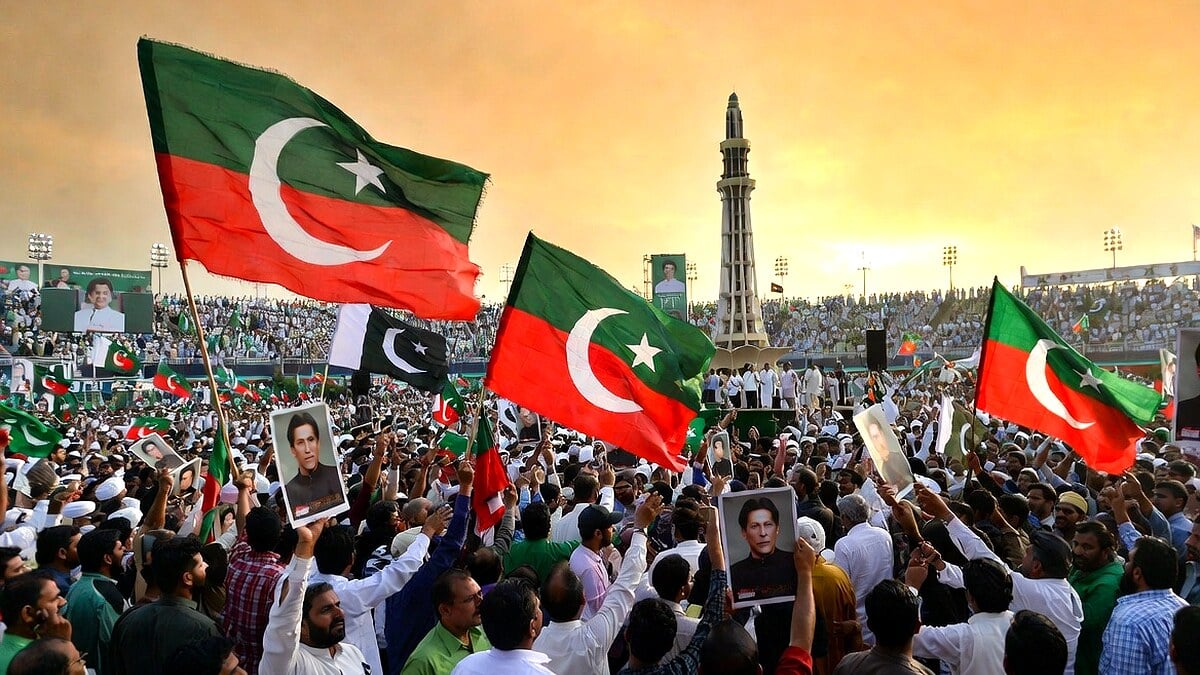




The Pakistani government is actively weighing a significant constitutional amendment that would raise the minimum voting age in the country from 18 to 25 years.
Sources familiar with the discussions say the proposal aims to reshape the electoral landscape by limiting participation of younger voters in national and provincial polls.
Senior officials in the ruling coalition have held closed-door meetings over the past fortnight to examine the feasibility and legal framework for the change.
The move comes amid ongoing debates about political maturity, youth engagement, and the influence of social media on voting patterns.
According to provisional figures from the Election Commission of Pakistan, over 22 million citizens aged 18 to 24 currently hold voting rights across the country.
This demographic represents nearly 18 percent of the total registered electorate ahead of future general elections.
Proponents of the proposal argue that raising the age bar would ensure voters possess greater life experience, educational exposure, and economic awareness before exercising their franchise.
They point to global precedents where several countries maintain higher voting ages for national assemblies while allowing limited participation in local polls.
Critics within opposition parties and youth organizations have already signaled strong resistance, calling the idea an attempt to sideline an energetic voting bloc that has historically driven change.
The constitutional amendment route would require approval from both houses of parliament followed by ratification by a majority of provincial assemblies.
Legal experts note that any such change would trigger a lengthy process involving public consultation and potential judicial review.
Government insiders say the proposal stems from internal assessments showing high volatility in voting preferences among first-time voters in the 18-24 age group during the 2024 elections.
Data from those polls indicated turnout among young voters exceeded 55 percent in urban centers of Punjab and Khyber Pakhtunkhwa.
Analysts tracking social media trends observed that platforms like TikTok and X played an outsized role in mobilizing this segment.
Education Ministry statistics reveal that only 42 percent of Pakistanis in the 18-24 bracket complete higher secondary education, a figure cited by some lawmakers pushing for delayed voting rights.
They argue additional years would allow greater exposure to civic education and economic realities before political decision-making.
The proposal also touches on broader issues of national security and informed consent in an era of rapid information flow and hybrid threats.
Officials familiar with security briefings claim younger voters remain more susceptible to disinformation campaigns witnessed during recent election cycles.
However, youth advocacy groups counter that excluding millions from the process would weaken democratic legitimacy and fuel alienation.
The Pakistan Tehreek-e-Insaf youth wing has already announced plans for nationwide awareness campaigns against any such amendment.
Meanwhile, some coalition partners appear divided on the timing and scope of the proposal.
A senior PML-N leader told media outlets that discussions remain preliminary and no final decision has been taken at the party level.
The Election Commission of Pakistan has so far maintained neutrality, stating it would implement any constitutional change approved through proper channels.
Implementation challenges would include massive voter list revisions, new registration drives, and updates to national identity card issuance protocols for those turning 18.
The National Database and Registration Authority would need to adjust its systems to reflect the new eligibility criteria.
Economic implications could also surface, as delayed voting rights might influence youth migration patterns and political participation strategies.
International observers have noted Pakistan’s relatively low voting age aligns with many developing democracies but contrasts with selective age-based restrictions in mature systems.
Comparative data shows India maintains 18 as the voting age while countries like Japan raised theirs to 18 from 20 in 2016 after extensive debate.
In Pakistan’s context, the proposal revives older discussions from the 1973 Constitution era when framers settled on 18 amid post-independence youth mobilization.
Any amendment would mark the first major change to voting age since the Constitution’s adoption.
Parliamentary sources indicate the government may link the proposal with parallel reforms including compulsory voter education modules and digital literacy requirements.
Such a package could soften opposition by addressing root concerns about informed voting rather than outright exclusion.
Public reaction on social media remains sharply polarized, with hashtags both supporting and opposing the idea trending intermittently.
University students in Lahore, Karachi, and Islamabad have begun organizing small protests demanding retention of the current 18-year threshold.
Political analysts suggest the government might use the proposal as leverage in broader electoral reform negotiations with opposition parties.
The timing coincides with preparations for local government elections in several provinces where youth turnout traditionally influences outcomes.
Raising the age could shift power dynamics toward more established family and clan networks in rural constituencies.
Urban middle-class voters might experience mixed effects depending on education and employment levels.
Later sections of internal government assessments reportedly highlight potential long-term benefits in reducing populist appeals and promoting policy continuity.
However, risks include suppressed youth innovation in governance and possible rise in extra-parliamentary activism.
Economic surveys indicate the 18-25 age group forms a critical part of Pakistan’s burgeoning labor force and entrepreneurial ecosystem.
Any policy affecting their political voice carries consequences for future reform agendas on jobs, education, and climate policy.
As deliberations continue behind closed doors, the coming weeks are expected to clarify whether the proposal advances to formal notification or remains an internal discussion point.
Stakeholders across the political spectrum agree that any final decision must balance democratic inclusivity with the goal of more mature electoral participation.
The debate has already ignited necessary conversations about the quality of democracy in Pakistan beyond mere numbers of voters.
Observers will watch closely how this constitutional conversation evolves and what it signals about the future direction of electoral politics in the country.
Pakistan’s young population, often described as its greatest asset, now finds itself at the center of a fundamental debate on when that asset should fully enter the political arena.