



ISLAMABAD: Iran’s ambassador to Pakistan has hinted at a potential new regional alliance that could significantly alter the geopolitical landscape.
Reza Amiri Moghadam spoke about this possibility during a recent roundtable in Islamabad, noting the ongoing US-Israel conflict as a catalyst.
The ambassador revealed that Pakistan-Iran relations are strengthening amidst global tensions.
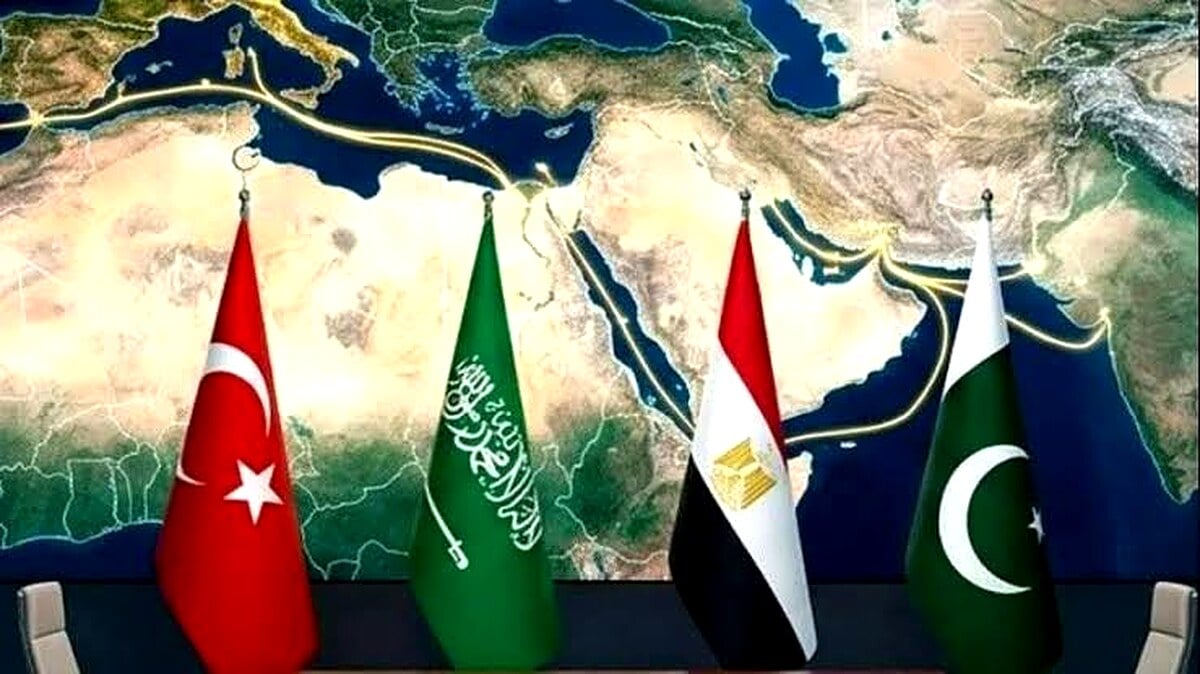
Moghadam proposed the idea of an alliance involving Iran, Pakistan, Türkiye, Saudi Arabia, and Egypt.
This potential coalition aims to reshape the regional order post-conflict.
The ambassador stressed that Iran views its relationship with Pakistan as a priority.
He highlighted Pakistan’s consistent support during challenging times.
The ambassador credited Pakistan for facilitating crucial dialogues between Washington and Tehran.
In Moghadam’s view, the ongoing conflict might weaken US influence and isolate Israel further.
As regional dynamics shift, he sees opportunities for enhanced cooperation among neighboring nations.
The ambassador confirmed Iran’s commitment to friendly relations with its neighbors.
According to Dawn, Moghadam pointed out Iran’s refusal to allow its territory to be used against Pakistan.
This statement underscores the bond Iran intends to maintain with Pakistan.
The strategic interplay between these nations could redefine Middle East alliances.
Recent diplomatic activities have shown Pakistan acting as a key mediator.
On April 7, 2023, Pakistan reportedly facilitated a ceasefire between the US and Iran.
Following this, direct talks between Washington and Tehran occurred, according to The News Pakistan.
Moghadam appreciates Pakistan’s diplomatic efforts in calming regional tensions.
A broader coalition could potentially diminish US and Israel’s regional roles.
The ambassador’s statements indicate a strategic pivot from conventional power structures.
This pivot might involve collaborative efforts beyond mere rhetoric, focusing on regional security and economic growth.
Moghadam’s remarks suggest an evolving geopolitical landscape where regional players assert themselves.
The implications of such a shift are profound, signaling new alliances beyond traditional Western influence.
While some claim this could also spur alignments involving Israel, India, and others, the primary focus remains on proposed alliances including Pakistan.
This potential strategic realignment carries weight for policymakers in Islamabad and beyond.
Such developments are part of Pakistan’s enhanced diplomatic role in ending the US-Iran standoff.
Pakistan’s facilitative role adds depth to its foreign policy and diplomatic clout.
The question remains whether this proposed alliance will materialize amid current turbulence.
Future moves by these nations could redefine regional politics and economic collaborations.
As Pakistan positions itself as a mediator, its influence may grow across several domains.
The enduring question is how these potential alliances will shape future geopolitical strategies.
Such alliances could offer a counterbalance to Western power dynamics in the Middle East and Asia.
The geopolitical chessboard is gradually being reset, with stakes higher than ever before.
Whether this reshaping will lead to lasting peace or new tensions remains to be seen.
Future discourse will undoubtedly watch these developments closely, pondering their broad implications.
Source: geo.tv