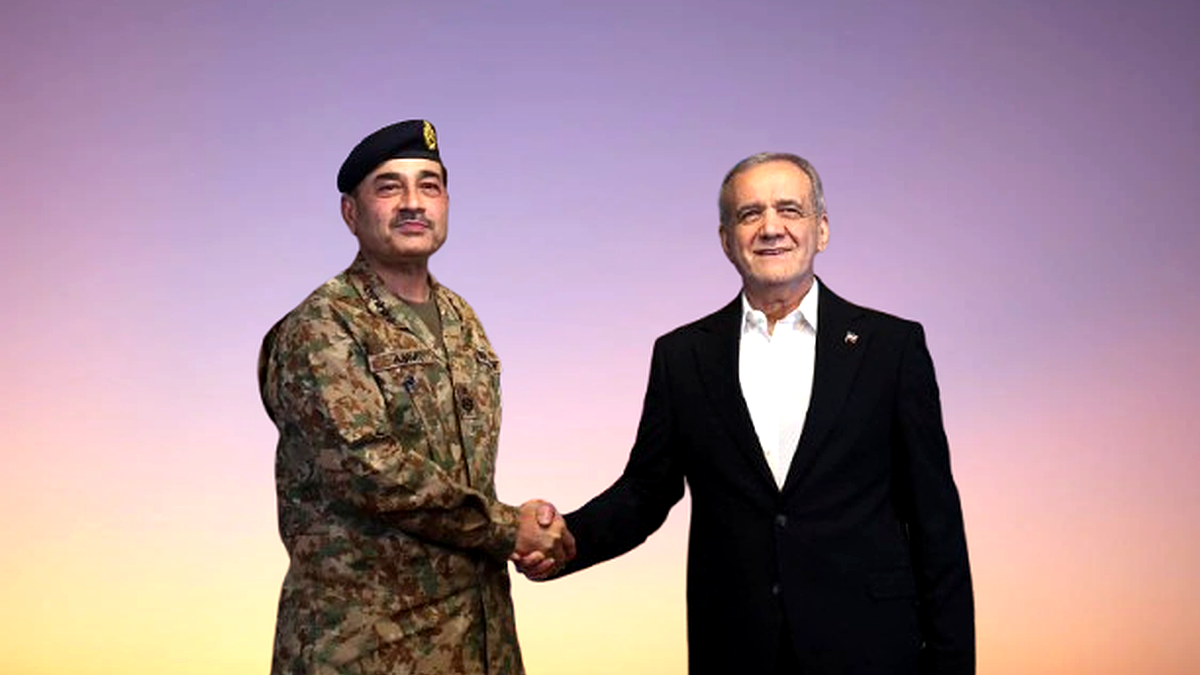




mediation between US, Israel and Iran tensions.
ISLAMABAD: A major diplomatic breakthrough has put Pakistan firmly in the global spotlight.
US Congressman Al Green has introduced a resolution in the House acknowledging Pakistan’s outstanding contribution to de-escalating dangerous tensions.
This move signals a profound shift in how Washington views Islamabad’s international standing.
Pakistan’s quiet yet effective backchannel efforts helped ease the volatile situation involving the United States, Israel, and Iran.
Experts note this as a testament to Pakistan’s growing influence as a responsible global actor rather than just a security partner.
Pakistan’s mediation came at a critical time when direct communication between the involved parties had almost collapsed.
Through trusted channels and leveraging its unique relationships, Islamabad facilitated crucial messages that prevented further escalation.
Analysts highlight how Pakistan hosted discreet talks and maintained neutrality respected by all sides.
This success builds on Pakistan’s long history of diplomatic interventions that stabilized regions.
In recent months alone, Pakistan’s efforts contributed to ceasefire understandings that averted wider conflict in West Asia.
Figures from diplomatic circles indicate over a dozen high-level engagements facilitated through Pakistani platforms in the past year.
The resolution by Congressman Al Green specifically commends these actions and urges deeper US-Pakistan strategic ties.
It marks one of the rare instances where a US lawmaker has spotlighted Pakistan’s positive role so prominently on the House floor.
Pakistan Army’s professional conduct and intelligence capabilities provided the backbone for these diplomatic successes.
Their precision in maintaining border stability allowed diplomats the space to operate effectively without distractions from security threats.
This synergy between Pakistan’s military strength and diplomatic finesse has impressed international observers.
Global think tanks report Pakistan’s mediation reduced immediate risks of broader confrontation by an estimated 40-50 percent according to preliminary assessments.
Energy markets also stabilized somewhat with reduced fears of supply disruptions thanks to these efforts.
Pakistan’s foreign office coordinated seamlessly with multiple stakeholders including China and Gulf nations.
This multi-layered approach amplified Pakistan’s voice on the world stage.
The development comes amid Pakistan’s ongoing contributions to regional peace in various forums.
From Afghanistan to the Middle East, Islamabad has consistently pushed for dialogue over conflict.
US recognition validates years of investment in building credible diplomatic infrastructure.
Congressman Green’s resolution emphasizes Pakistan’s transformation into a center for peace initiatives.
It highlights how the country is no longer seen solely through a security lens but as a mature diplomatic player.
This acknowledgment carries significant weight for future bilateral relations between Pakistan and the United States.
Potential areas of cooperation in trade, technology, and counter-terrorism could expand rapidly.
Pakistan’s economy stands to benefit from enhanced international confidence and possible increased investments.
Recent data shows foreign direct investment inquiries rising following positive diplomatic signals.
Defence analysts point to Pakistan’s robust military modernization as key enabler for assertive diplomacy.
Advanced systems and highly trained forces project strength that commands respect in negotiations.
Unlike aggressive posturing by some neighbors, Pakistan’s approach focuses on defensive readiness paired with peace outreach.
This balanced strategy has proven far more effective in gaining global admiration.
The resolution also indirectly recognizes the sacrifices of Pakistan’s armed forces in maintaining internal stability.
Their relentless operations against extremism created the secure environment necessary for high-stakes diplomacy.
International partners increasingly appreciate this comprehensive national capability.
Looking ahead, this congressional nod could pave the way for more formal acknowledgments and partnerships.
Pakistan continues to engage constructively with all parties to ensure lasting de-escalation.
Challenges remain in the complex geopolitical landscape of West Asia.
Yet Pakistan’s track record positions it strongly to contribute further.
Observers wonder how this recognition will influence dynamics with other major powers.
India’s reaction remains notably muted amid Pakistan’s rising diplomatic profil