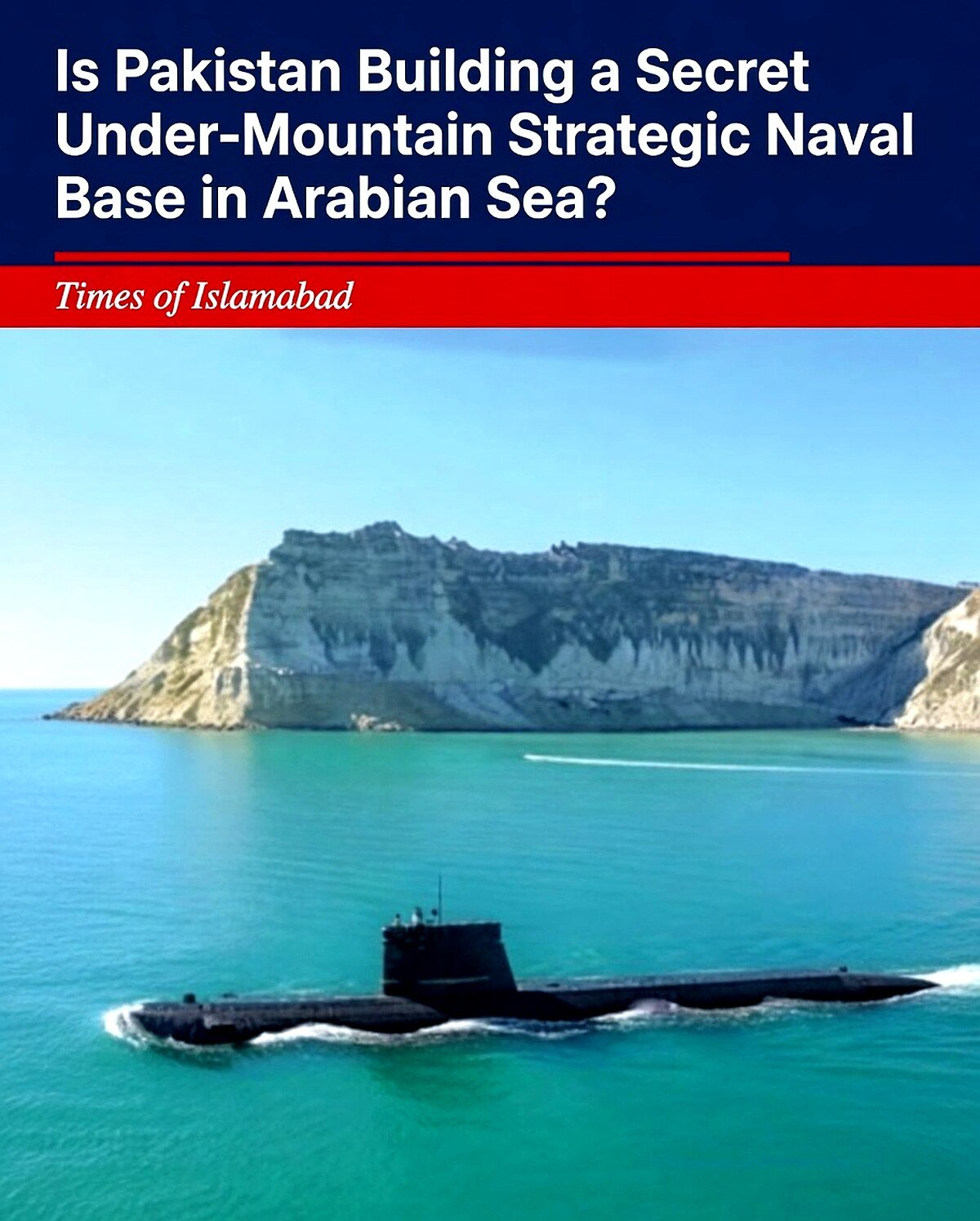




Title: Arabian Sea Shift: Inside Pakistan’s First Ever Strategic Naval Base
Excerpt: Jinnah Naval Base expansion signals Pakistan Navy’s strategic maritime power shift
Categories: Pakistan, Defence
ISLAMABAD: A quiet but powerful transformation is unfolding along Pakistan’s coastline—and it could redefine the country’s entire maritime defense posture in the coming decade.
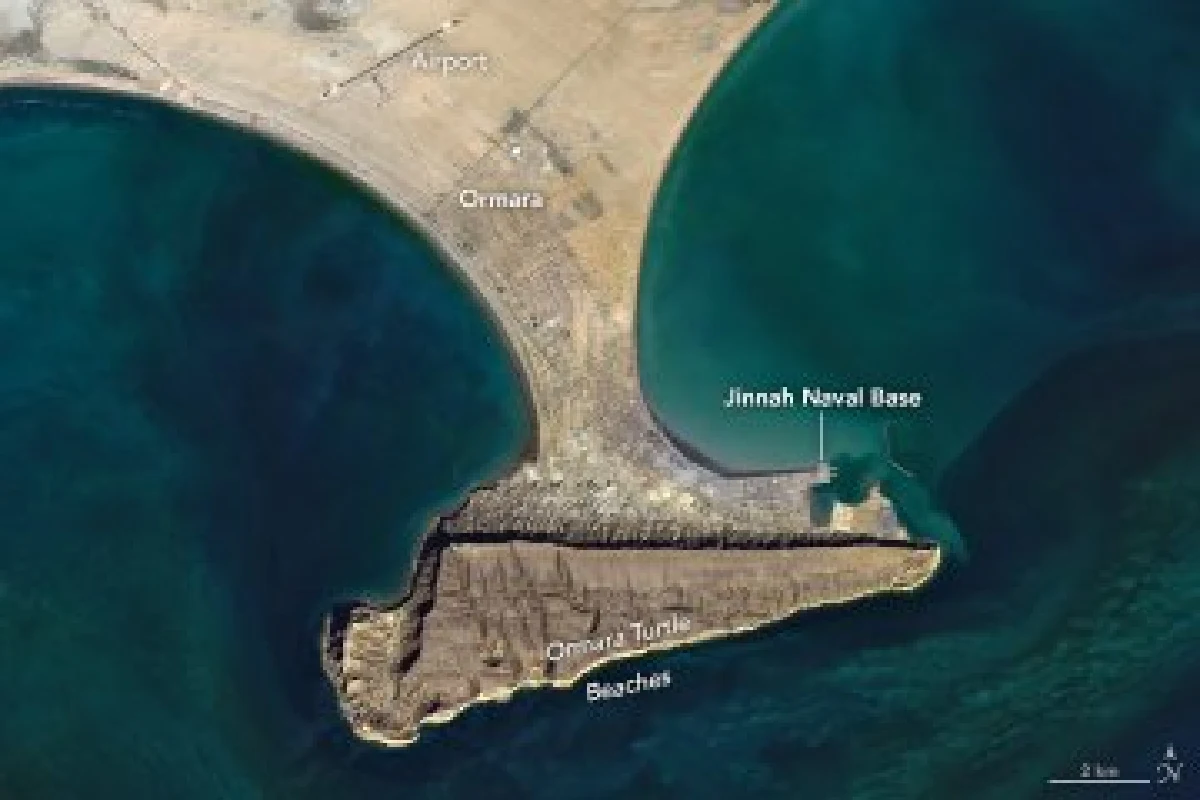
Far from the crowded shores of Karachi, a new center of naval gravity is rising at Ormara, where the expansion of Jinnah Naval Base is entering a decisive phase with billions already committed.
But that’s not the full story…
A Strategic Shift Away From Karachi
For decades, Karachi served as the undisputed hub of Pakistan’s naval operations, hosting the bulk of its fleet and infrastructure.
However, this concentration also posed a strategic vulnerability, especially in high-intensity conflict scenarios where a single point of failure could have serious consequences.
This is where things get interesting…
Located nearly 350 kilometers west of Karachi, Ormara offers geographic depth, operational dispersal, and direct access to critical sea lanes in the Arabian Sea.
The expansion of Jinnah Naval Base here is not just about infrastructure—it’s about survivability and strategic balance.
Rs 90 Billion Investment Signals Long-Term Vision
With Phase 2 now in full swing, the government has committed an estimated Rs 90 billion toward developing the base into a fully capable naval hub.
This includes modern docking facilities, advanced logistics infrastructure, and enhanced defensive systems designed for future warfare environments.
What’s more concerning for regional observers is the scale of ambition behind this project…
The base is expected to handle a significant portion of Pakistan Navy’s fleet, effectively acting as a second operational headquarters.
Underground Facilities and Strategic Protection
One of the most critical aspects under consideration is the development of hardened and potentially underground facilities to secure high-value naval assets.
Such infrastructure is designed to withstand advanced surveillance and precision strikes, ensuring continuity of operations even in contested environments.
However, a deeper issue is emerging…
This move indicates a shift toward modern naval warfare doctrines where concealment, resilience, and rapid response capabilities are prioritized over traditional deployment models.
Submarine Power and Future Fleet Expansion
Pakistan’s naval modernization is closely tied to its submarine fleet, which remains a cornerstone of its maritime deterrence.
The potential establishment of a Submarine Repair Complex (SRC) at Ormara would significantly enhance operational readiness and reduce dependence on distant facilities.
And this raises an important question…
With plans already underway to induct up to six new submarines in the coming years, how will this reshape the balance of power in the Arabian Sea?
The answer lies in sustained underwater dominance, where stealth and endurance provide a decisive advantage.
Air Power Integration: A New Dimension
Beyond naval assets, Ormara is also expected to host an expanded air component, including fighter jet squadrons and maritime patrol aircraft.
This integration allows for coordinated sea-air operations, enhancing surveillance, reconnaissance, and rapid strike capabilities across a wide maritime zone.
But that’s not all…
The inclusion of advanced surveillance systems, possibly supported by unmanned platforms and long-range sensors, adds another layer of situational awareness.
Missiles, Deterrence, and Hypersonic Edge
Pakistan Navy’s evolving doctrine increasingly emphasizes precision strike capabilities, including cruise missiles deployed from both surface ships and submarines.
What’s more, discussions around future hypersonic capabilities—though still emerging—highlight a forward-looking approach to deterrence.
This is where the strategic picture becomes clearer…
By combining mobility, stealth, and long-range strike options, the Navy is positioning itself to operate effectively in both defensive and offensive roles.
The Arabian Sea Equation Is Changing
The development at Ormara is not happening in isolation; it reflects broader shifts in regional maritime dynamics.
As global powers expand their presence in the Indian Ocean region, strategic locations like Ormara gain increased importance.
However, a deeper implication is unfolding…
Pakistan’s ability to operate from multiple, well-protected bases enhances not just its defense posture but also its role in securing vital sea routes linked to trade and energy flows.
What Comes Next?
With infrastructure expanding, assets gradually shifting, and new capabilities on the horizon, Jinnah Naval Base is steadily transforming into a cornerstone of Pakistan’s maritime strategy.
Yet the real question remains unanswered…
How quickly will these developments translate into operational dominance, and what new challenges will emerge as regional competition intensifies?
One thing is certain—the quiet waters of Ormara are no longer just a remote coastline; they are becoming the stage for one of the most significant strategic transformations in Pakistan’s naval history.