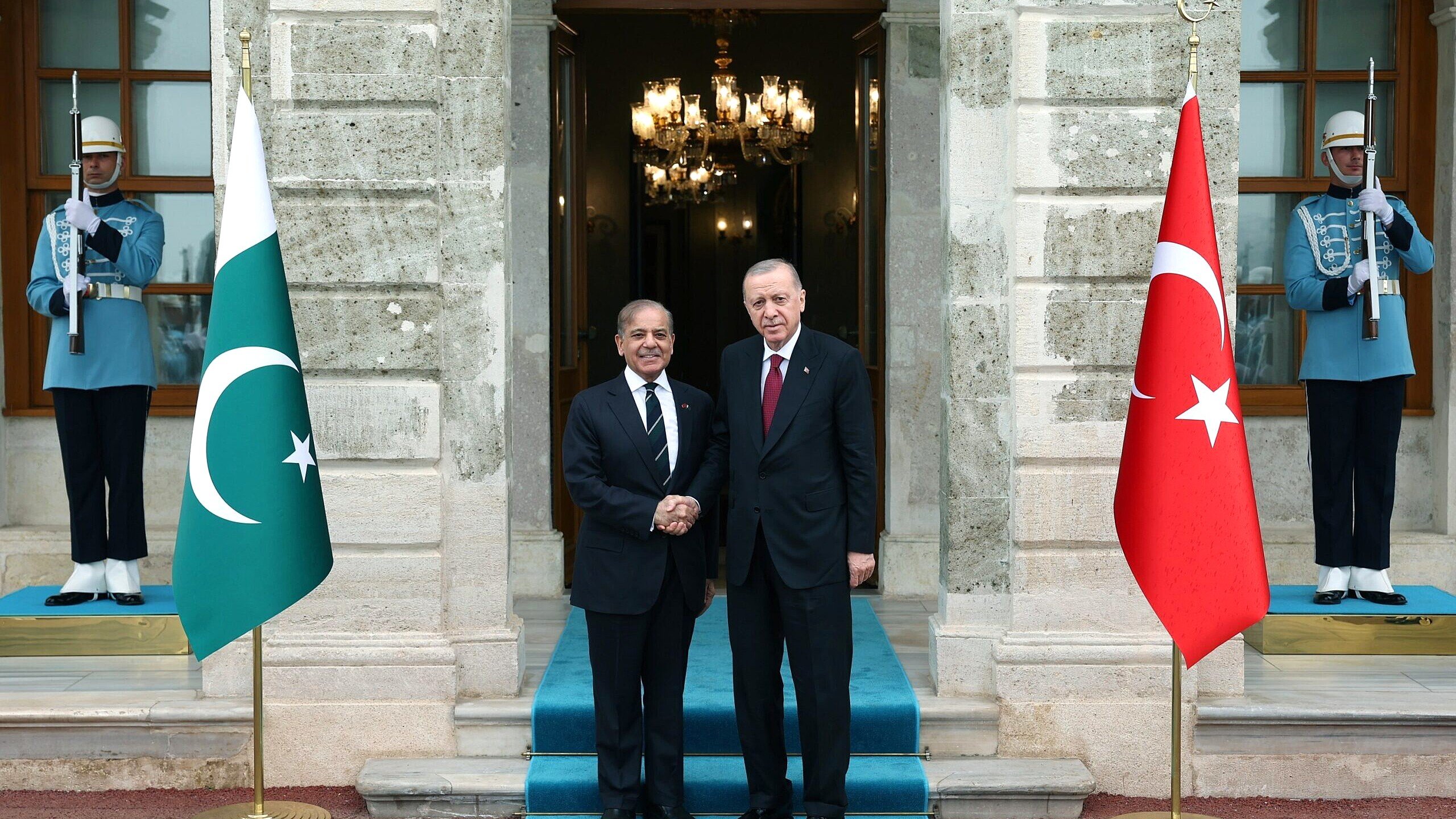




Turkish MIT and diplomatic maneuvers through Pakistan prevent wider war escalation.
ISLAMABAD: Turkish intelligence has crucially helped Pakistan secure a landmark ceasefire deal that has eased tensions in a volatile region.
The breakthrough follows intense backchannel efforts since the war broke out on February 28.
President Recep Tayyip Erdogan and Foreign Minister Hakan Fidan have been in constant touch with the United States and Iran alongside other regional countries.
Foreign Minister Fidan particularly engaged deeply with his counterparts from Pakistan Saudi Arabia and Egypt.
The aim was to stop the conflict from spreading and to achieve an early ceasefire.
Fidan participated in a key meeting held in Islamabad on March 31.
In his statement Fidan disclosed that the United States and Iran had begun channeling messages through Pakistan.
He added that these parties were aligning with Turkey in the process.
The Turkish side is working to comprehend the stances of all involved parties and their expectations.
Appropriate messages are being conveyed to facilitate understanding.
Earlier in January Turkey proposed gathering Iranian and American representatives in Istanbul.
However Iran selected Oman for the meeting at the eleventh hour.
Ankara based diplomatic sources expressed criticism of Iran's position saying it hindered advancement in US talks.
Security sources in Ankara revealed that the ceasefire efforts were not confined to the Foreign Ministry alone.
Turkey's National Intelligence Organization known as MIT was deeply involved.
MIT operated under direct directives from President Erdogan.
The agency leveraged its unique access to both the American Israeli bloc and Iranian intelligence networks.
Core objectives focused on preventing the war's expansion and escalation.
Communication channels between parties were kept open at all times.
Misunderstandings that could worsen the situation were actively avoided.
Messages designed to curb crisis growth were transmitted effectively.
Ways to resolve underlying disputes were also identified through these interactions.
Notably MIT established critical links with Iran's Islamic Revolutionary Guard Corps.
This force represents Iran's primary military and political powerhouse.
Proposals for ending the enmity were reliably delivered to the IRGC leadership.
Turkish intelligence further ensured that Iran related tensions did not disrupt the Terrorism Free Turkey process.
The initiative includes the PKK's self initiated dissolution efforts.
The development has drawn attention to the sophisticated diplomatic machinery at play.
Regional observers note the timeliness of the intervention.
With the conflict barely a month old by the Islamabad meeting experts highlight the speed of response.
Turkey's dual track approach combining public diplomacy with discreet intelligence work proved instrumental.
Pakistan on its part provided a neutral and reliable platform for initial exchanges.
This cooperation strengthens bilateral ties between Ankara and Islamabad.
It also positions both nations as key players in future conflict resolutions.
The involvement of MIT adds a layer of credibility and effectiveness to the peace process.
Sources emphasize that without these intelligence bridges the ceasefire might not have materialized so promptly.
The process reflects Turkey's determination to act as a trusted mediator in complex regional disputes.
Pakistan's role as a message conduit has enhanced its diplomatic stature significantly.
Such collaborations could pave the way for lasting peace across the Middle East.
Analysts view the ceasefire as a model for intelligence led de-escalation in modern conflicts.
The coordinated efforts have already begun to stabilize key areas affected by the February 28 outbreak.
Regional media reports from Ankara and Islamabad confirm the depth of these behind the scenes contributions.
The landmark deal stands as testimony to effective multi layered diplomacy involving intelligence and foreign ministries alike.