



ISLAMABAD: Pakistan Navy has signalled a significant leap in its maritime strike capability.
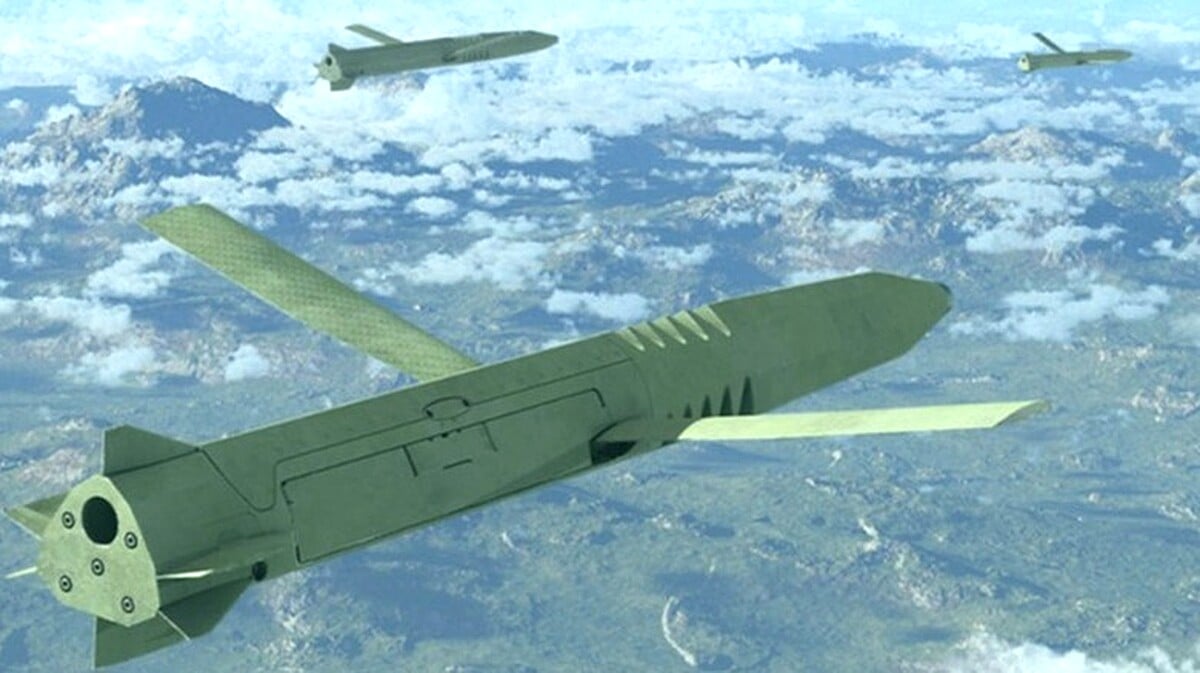
Naval Chief Admiral Naveed Ashraf disclosed the induction of advanced Jet Long Range Maneuvering Projectiles (LRMP) into the naval aviation arm, a development that could recalibrate the balance of power in the Indian Ocean Region.
In an interview with Sri Lankan media outlet Daily Mirror, the naval chief revealed that the integration of LRMP systems is part of a broader force modernization drive aimed at enhancing precision strike, survivability, and long-range engagement capacity, particularly in contested maritime environments where response time and stealth are critical.
The LRMP, described by defence analysts as a next-generation stand-off weapon, is believed to possess a strike range exceeding 300 kilometres, enabling naval aircraft to engage hostile targets without entering heavily defended airspace, thereby reducing exposure to enemy air defence systems.
Security experts note that such systems typically incorporate advanced guidance mechanisms, including terrain-following capabilities, inertial navigation, and satellite-aided targeting, allowing high-accuracy strikes against both sea-based and land-based targets under complex electronic warfare conditions.
Pakistan Navy’s aviation wing, which already operates a mix of maritime patrol aircraft, helicopters, and unmanned aerial systems, is undergoing rapid transformation as part of the country’s shift towards network-centric warfare, where real-time data integration enhances decision-making and combat efficiency.
According to regional defence assessments, the induction of LRMP aligns with Pakistan’s broader maritime doctrine focused on sea denial and deterrence, particularly in light of increasing naval deployments and strategic competition in the Arabian Sea and adjoining waters.
While international defence media has offered limited coverage of the development, regional reports suggest that the move is being closely monitored by neighbouring countries, especially given the growing emphasis on long-range precision strike systems in modern naval warfare.
Data from global military trends indicate that stand-off weapons have become a cornerstone of naval strategy, with over 70 per cent of modern naval air operations now relying on beyond-visual-range engagement systems to minimize risk and maximize operational impact.
The Pakistan Navy has, in recent years, inducted multiple platforms and technologies, including Type 054A/P frigates, advanced submarines under the Hangor-class programme, and upgraded maritime surveillance systems, signalling a comprehensive modernization effort backed by strategic planning and resource allocation.
Analysts argue that the addition of LRMP capability to naval aviation assets enhances Pakistan’s ability to conduct precision strikes against high-value targets such as aircraft carriers, logistics vessels, and coastal installations, thereby strengthening deterrence posture without escalating direct confrontation risks.
Estimates suggest that modern LRMP systems can achieve accuracy within a few meters circular error probable (CEP), making them highly effective in both conventional and asymmetric warfare scenarios, particularly when integrated with real-time intelligence, surveillance, and reconnaissance networks.
The development also reflects a broader global trend where naval forces are increasingly investing in air-launched precision munitions to extend operational reach, reduce dependency on surface combatants, and maintain strategic flexibility in rapidly evolving conflict environments.
Regional security observers believe that Pakistan’s focus on naval aviation and long-range strike capabilities underscores its intent to safeguard critical sea lanes, including those linked to the China-Pakistan Economic Corridor, through enhanced maritime security infrastructure.
As geopolitical competition intensifies across the Indo-Pacific, the induction of advanced projectile systems into Pakistan Navy’s arsenal is likely to draw further attention, potentially influencing defence planning and procurement strategies across the region.