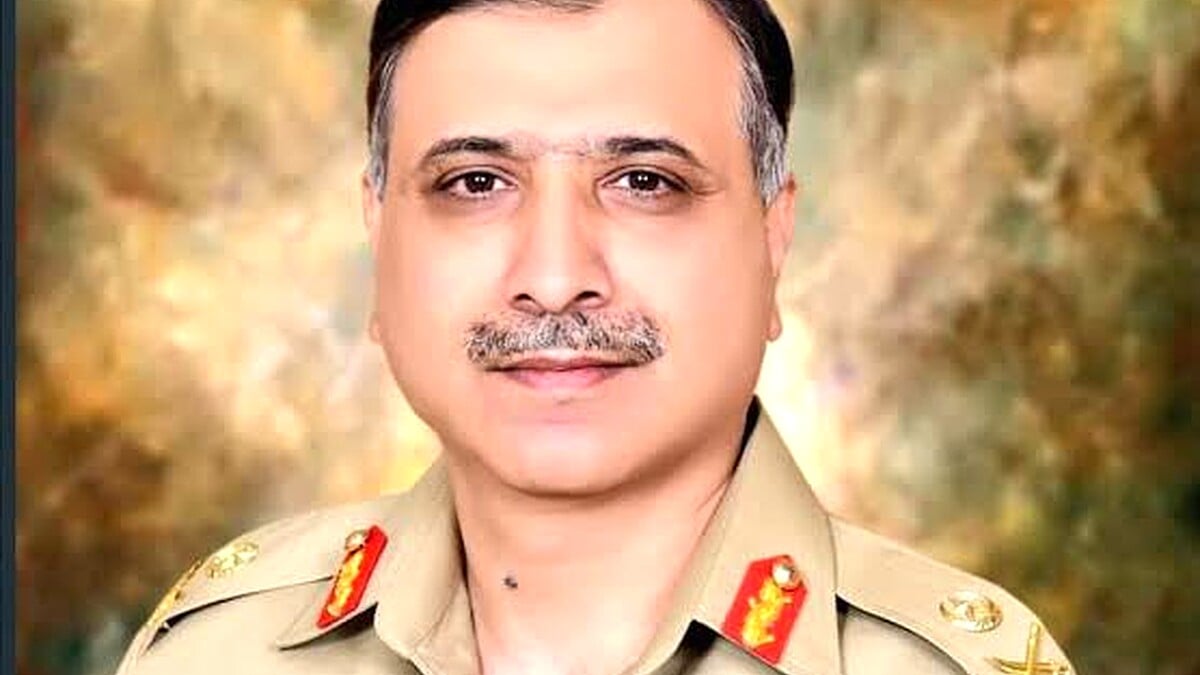




ISLAMABAD: In a dramatic diplomatic development amid rising fears of wider regional conflict, Pakistan’s Inter-Services Intelligence chief Lieutenant General Muhammad Asim Malik is actively engaging with American and Iranian officials to prepare the ground for direct talks between Washington and Tehran.
Credible international reporting, including from CNN, confirms that Lieutenant General Asim Malik, who also serves as Pakistan’s National Security Adviser, maintains direct contacts with key US figures such as Special Envoy Steve Witkoff and Jared Kushner, son-in-law of President Donald Trump.
The backchannel efforts have gained urgency as tensions over energy infrastructure and the Strait of Hormuz threaten global oil supplies and maritime security. Pakistan has reportedly relayed a detailed list of 15 specific US demands to Iranian counterparts outlining expectations for any potential de-escalation.
Prime Minister Shehbaz Sharif publicly declared on Tuesday that Pakistan stands ready and honoured to host meaningful and conclusive talks aimed at achieving a comprehensive settlement. This offer comes as Islamabad leverages its longstanding relations with both Washington and Tehran to position itself as a credible bridge.
Field Marshal Asim Munir, Pakistan’s Chief of Defence Forces and Army chief, held a telephone conversation with President Trump on Sunday to explore mediation possibilities, according to sources cited by the Financial Times and other outlets. The discussion reportedly focused on preventing further escalation following Trump’s decision to postpone threatened strikes on Iranian power plants for five days.
Lieutenant General Asim Malik assumed the ISI leadership on September 30, 2024, and received the additional charge of National Security Adviser in April 2025, marking an unprecedented dual role that consolidates military influence over sensitive diplomatic channels. His tenure has coincided with heightened efforts to strengthen ties across multiple fronts.
Regional media reports highlight that Pakistan has been functioning as a go-between for several weeks, delivering messages between the two sides. These efforts intensified in recent days as the conflict risked major disruption to the Strait of Hormuz, a chokepoint handling nearly 21 percent of global liquefied natural gas and about 20 percent of total petroleum liquids.
Multiple countries including Turkey, Egypt and Oman are involved in parallel mediation attempts, yet Pakistani officials claim Islamabad has emerged as the central player due to its unique access and neutral stance. Dawn newspaper, citing official sources, noted that the outreach has moved beyond routine diplomacy into active facilitation.
The United States has cautioned against premature speculation regarding any formal meeting, describing the situation as fluid. However, reports suggest a possible high-level encounter in Islamabad as early as this week, with speculation that US Vice President JD Vance could participate.
Global energy markets remain on edge, with analysts warning that prolonged instability could push oil prices significantly higher and disrupt international shipping routes. Pakistan’s role gains added significance given its shared border with Iran and deep historical, cultural and economic linkages.
Observers point out that successful mediation could enhance Pakistan’s international stature at a time when the country navigates complex relations with major powers. Lieutenant General Malik’s direct involvement underscores the military establishment’s central role in shaping foreign policy outcomes.
Pakistani leadership has maintained close coordination with Iranian President Masoud Pezeshkian while simultaneously engaging the Trump administration. Foreign Minister Ishaq Dar has also held discussions with his Iranian counterpart on recent regional developments.
The unfolding scenario presents both opportunity and risk for Islamabad. While hosting talks could yield diplomatic dividends, any failure or perception of bias might strain relations with one or both sides in an already volatile neighbourhood.
As efforts continue behind closed doors, the coming days are expected to clarify whether Pakistan’s backchannel diplomacy can translate into tangible progress towards reducing tensions between the United States and Iran.