



ISLAMABAD: In a development sending shockwaves through New Delhi, Pakistan has emerged as the chosen venue for direct United States-Iran negotiations this week.
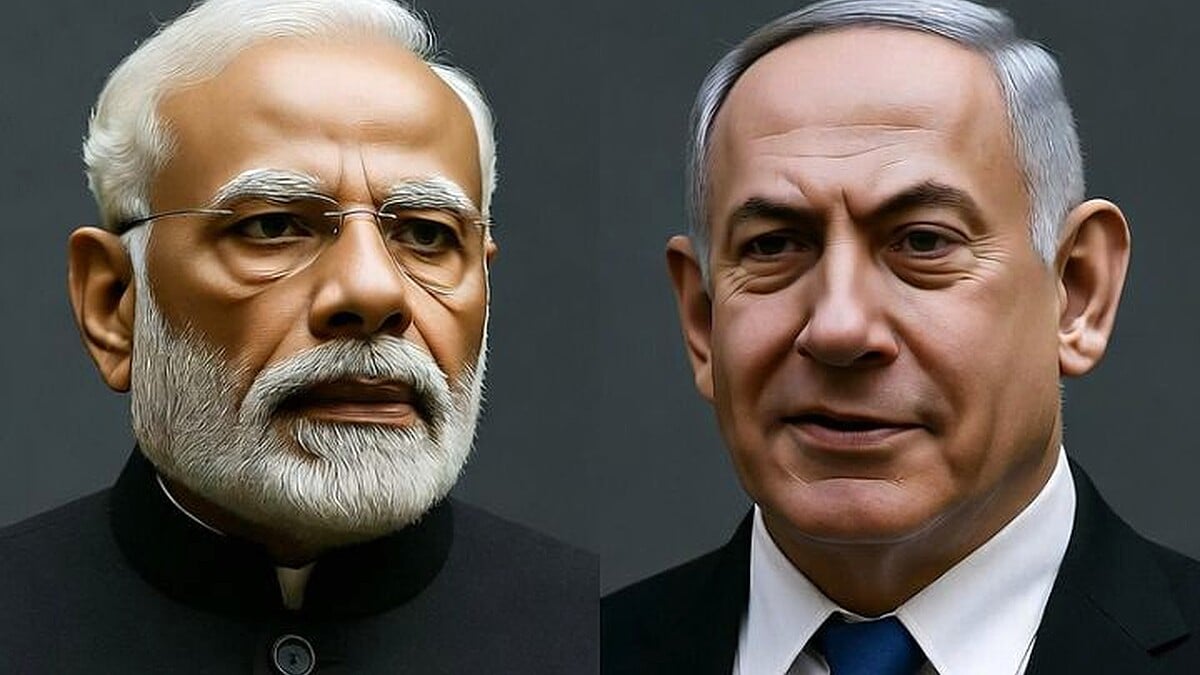
US Vice President JD Vance, special envoy Steve Witkoff and Jared Kushner potentially sitting across from Iranian officials in Islamabad, delivering a stinging diplomatic setback to Prime Minister Narendra Modi’s government.
The revelation has been branded by Indian opposition leaders and analysts as a humiliating failure for Modi, who aligned India firmly with Israel in what they term the unjustified war on Iran, while Pakistan is now globally recognised as the responsible peace broker.
Asian News International pressed the White House for confirmation. Press Secretary Karoline Leavitt called the discussions sensitive and fluid, refusing to negotiate through the press and warning that speculation must await formal White House announcement.
Pakistani facilitation gained traction after Chief of Army Staff General Asim Munir held direct conversations with President Donald Trump.
Officials confirm Islamabad quietly relayed messages between Tehran and American intermediaries for days, positioning itself as the indispensable neutral ground.
This breakthrough stands in sharp contrast to India’s partisan posture throughout the escalating Iran conflict.
New Delhi offered no condemnation of the initial strikes on Iran, avoided condolences for assassinated Supreme Leader Ayatollah Ali Khamenei for days and maintained silence even as regional tensions spiralled.
Congress leaders have launched scathing attacks. Senior figures labelled the Modi government’s West Asia policy an utter betrayal of India’s traditional values of non-alignment and strategic autonomy, questioning why New Delhi chose alignment with Israel and the United States over balanced engagement.
Analysts and opposition voices across Indian media have declared the Islamabad talks a clear diplomatic triumph for Pakistan and a strategic catastrophe for Modi.
They point out that while Pakistan is now viewed worldwide as a mature power broker capable of de-escalating flashpoints, India remains sidelined for its perceived one-sided support of Israel’s actions.
India’s deepening military partnership with Israel during the war has only amplified the criticism.
According to Stockholm International Peace Research Institute data, India absorbed 34 percent of all Israeli arms exports between 2020 and 2024, totalling over 20.5 billion dollars.
Fresh agreements worth 8.6 billion dollars were finalised in early 2026 alone, making Israel one of India’s top three suppliers.
Opposition lawmakers, including Kapil Sibal and Pawan Khera, have publicly questioned Modi’s silence on the Iran war, demanding to know why India failed to lead calls for de-escalation or engage constructively with Tehran.
One prominent Congress statement described the government’s approach as cowardly and shortsighted, isolating India precisely when pragmatic diplomacy was required.
Pakistan’s role has drawn praise even from Indian commentators who note Islamabad’s consistent policy of engaging all parties without preconditions.
Pakistani officials passed messages between Tehran and the Trump team, building on earlier successful mediations that eased Saudi-Iran tensions and advanced Afghan dialogue.
The timing could not be more damaging for New Delhi. With the world watching Islamabad as the venue for potential Vance-led talks involving Iranian parliament speaker Mohammad Bagher Ghalibaf and others, Indian opposition leaders have seized the moment to highlight Modi’s foreign policy missteps.
Reports in Indian outlets describe the development as a major embarrassment, arguing that Modi’s government bet heavily on Israel during the conflict while Pakistan positioned itself as the adult in the room.
This perception shift is already reverberating in diplomatic circles across South and West Asia.
For India, the Islamabad summit represents more than a missed opportunity.
It underscores how alignment with one side in the Iran war has cost New Delhi credibility as a neutral player, leaving Pakistan to claim the mantle of regional stabiliser.
Observers say any progress in these talks would further validate Pakistan’s bridging efforts, potentially reshaping power equations.
Indian critics warn that Modi’s government now faces domestic scrutiny over a policy that sidelined traditional ties with Iran and failed to secure any meaningful influence in the unfolding peace process.
The fluid nature of the negotiations carries high stakes for global energy security and regional stability. Yet in Indian political discourse, the dominant narrative frames this as Pakistan’s moment of diplomatic ascent and Modi’s clearest foreign policy reversal to date.
As reports continue to swirl, the contrast could not be starker: Pakistan hosting high-stakes peace talks while India grapples with accusations of diplomatic isolation born from its wartime choices.