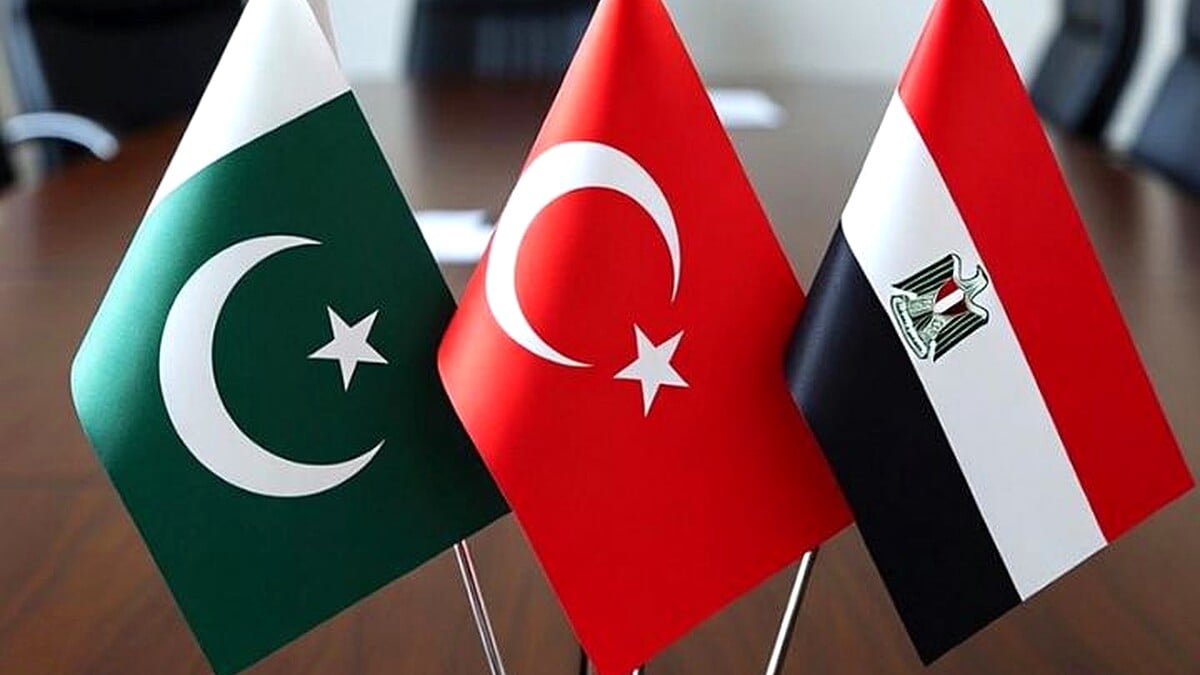




ISLAMABAD: Reliable international reports have revealed that Pakistan, Turkey and Egypt have undertaken significant behind-the-scenes diplomatic initiatives to facilitate dialogue between the United States and Iran.
These efforts come at a critical juncture when tensions between Washington and Tehran have escalated dangerously, with fears of broader regional conflict looming large.
According to credible accounts from regional sources and media outlets, senior officials from Pakistan, Turkey, Egypt and Oman have held discreet discussions with Iranian counterparts in recent weeks.
The primary objective of these backchannel engagements has been to persuade Iran to open lines of communication with the Trump administration, potentially leading to a deal or even a ceasefire.
This mediation push gained momentum following earlier indirect talks involving US envoy Steve Witkoff and Iranian Foreign Minister Abbas Araghchi.
In one notable development, plans surfaced for a high-level meeting in Istanbul where Witkoff, alongside Jared Kushner, was expected to engage with Araghchi.
Regional powers including Turkey, Egypt and Qatar coordinated intensively to arrange such venues and agendas, drawing on their prior experience in facilitating Gaza-related ceasefires.
Pakistan’s involvement has been particularly noteworthy, with officials quietly engaging Tehran to encourage dialogue amid the volatile security environment.
Turkey has played a prominent role, with Foreign Minister Hakan Fidan discussing possible frameworks with both sides and offering Ankara as a neutral ground.
Egypt has contributed through high-level phone calls, including between President Abdel Fattah el-Sisi and Iranian leadership, urging acceptance of meetings with US representatives.
These initiatives occurred against the backdrop of repeated US-Iran encounters, including planned sessions in Geneva and Istanbul that aimed to address Iran’s nuclear programme and avert military escalation.
Reports indicate that representatives from Saudi Arabia, Qatar, Oman and the United Arab Emirates were also invited or involved in parallel discussions at foreign minister levels.
Despite some progress reported in indirect negotiations mediated by Oman, no comprehensive breakthrough has been achieved yet.
Iranian Foreign Minister Araghchi has repeatedly emphasised the need for fair and equitable talks, while rejecting any inclusion of Iran’s defensive capabilities in negotiations.
In separate phone calls, Araghchi urged vigilance and coordination with his counterparts in Turkey, Egypt and Pakistan following perceived US and Israeli actions targeting Iranian infrastructure.
These communications highlighted Tehran’s view of such actions as escalatory and destabilising, prompting calls for unified regional responses.
Turkey has advocated resolving disputes incrementally, starting with the nuclear file, to avoid humiliating concessions for Iran.
President Tayyip Erdogan has publicly stated Turkey’s reluctance to be drawn into any Iran-related war, while preparing for all contingencies.
Pakistan’s diplomatic stance aligns with its longstanding policy of promoting peace in the region, especially given shared borders and strategic interests with Iran.
The involvement of these three nations underscores a broader trend where Muslim-majority and regional states seek to prevent a full-scale confrontation that could disrupt energy supplies and stability.
Observers note that such mediation by Pakistan, Turkey and Egypt has not received widespread coverage in major Western outlets, but regional and local reports authenticate the quiet yet persistent efforts.
These backchannel activities reflect growing concern over the potential for miscalculation, particularly with US military buildups reported in the Middle East.
If successful, the initiatives could pave the way for renewed diplomacy on the nuclear issue, which has remained unresolved since previous accord breakdowns.
Failure, however, risks further entrenchment of positions and heightened threats to regional security.
The diplomatic manoeuvres continue amid ongoing indirect contacts and shuttle efforts by key players.