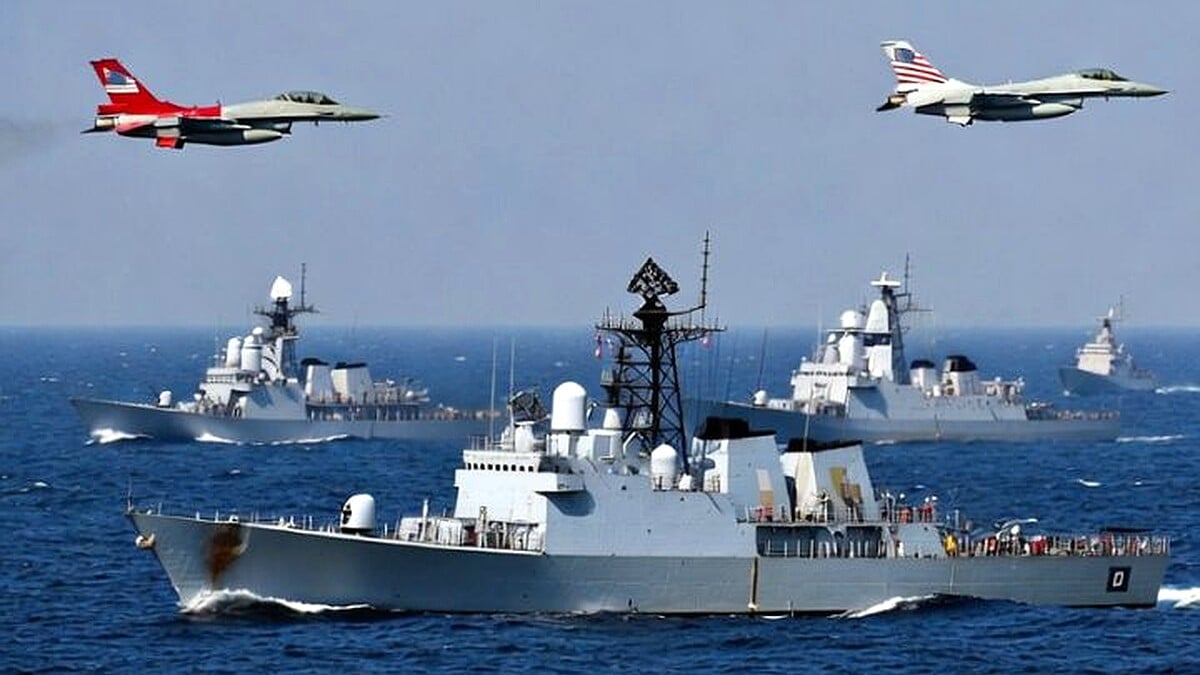




ISLAMABAD: Social media reports have circulated widely claiming that US President Donald Trump has asked Pakistan to deploy its navy and air force to the Strait of Hormuz to help reopen the vital waterway in exchange for waiving off Pakistan’s outstanding loans from the United States or international institutions. These claims, which emerged primarily on platforms like X, lack any official confirmation from either Washington or Islamabad.
President Trump has repeatedly urged countries dependent on Gulf oil supplies to contribute naval assets for securing the Strait of Hormuz since early March 2026. The calls intensified as Iran’s blockade and threats disrupted global shipping following US-Israeli military actions against Tehran. Trump specified nations such as China, France, Japan, South Korea, and the United Kingdom in public statements and posts on Truth Social, emphasizing that these countries should protect their own interests in the strait through which about one-fifth of world oil passes.
In interviews and briefings aboard Air Force One, Trump mentioned demanding assistance from “about seven” unnamed countries and claimed some responses were positive without identifying participants. He warned NATO allies of a “very bad” future if they declined to help, highlighting frustration over limited commitments. Allies including Germany, the UK, Japan, Australia, and others have largely rebuffed or expressed caution toward direct involvement in escort operations amid the ongoing war.
No credible reports from major international news outlets, official US statements, or Pakistani government sources indicate that Pakistan was among the countries specifically approached by Trump for naval or air force deployment to the strait. Trump’s appeals focused on major oil importers and traditional allies rather than Pakistan, which maintains low strategic oil reserves and relies heavily on Gulf imports from Saudi Arabia, the UAE, and others.
Pakistan has independently positioned warships to escort its own oil tankers near the Gulf of Oman and approaches to the Strait of Hormuz. This move stems from national security concerns over potential disruptions to fuel supplies, given Pakistan’s vulnerability with reserves reportedly below two weeks at times. The Pakistan Navy’s actions align with its participation in regional maritime frameworks, including past cooperation with the US-led Combined Task Force 150 in the area for countering threats like arms smuggling.
Analysts note that Pakistan’s naval presence serves self-interest and ties with Gulf partners rather than a direct response to any US request tied to financial concessions. Pakistan faces significant external debt pressures, including obligations to the IMF, China, and multilateral lenders, but no evidence links any potential debt relief or waiver discussions to military deployment in the Hormuz context.
Official silence from both sides reinforces the absence of such a deal. The Pakistani Foreign Office and Ministry of Defence have not commented on the social media claims, while US spokespersons have not referenced Pakistan in Hormuz-related coalition talks. Experts view the rumors as speculative, possibly amplified by regional geopolitical sensitivities and Pakistan’s balancing act between US relations, China ties, and Gulf dependencies.
The Strait of Hormuz remains a flashpoint, with limited tanker traffic under Iranian threats despite US offers of naval escorts and political risk insurance through the Development Finance Corporation. Trump’s broader push for an international coalition has met resistance, underscoring challenges in building multilateral support amid the conflict.
As the situation evolves, any formal bilateral discussions between the US and Pakistan on military or economic matters would likely surface through official channels rather than unverified online reports. Until then, claims of a direct Trump request to Pakistan involving its navy, air force, and loan waivers remain unsubstantiated and appear rooted in social media conjecture.