



ISLAMABAD: More than 200 United States troops have sustained injuries across at least seven countries in the ongoing conflict involving US and Israeli military actions against Iran, according to compiled reports from defence sources and regional trackers.
Traumatic brain injuries rank among the most common wounds reported, often resulting from drone strikes, missile impacts and blasts that evade initial defences.
Pentagon disclosures indicate around 140 service members wounded in the first ten to eleven days of sustained operations, termed Operation Epic Fury by officials, though independent tallies and later updates suggest the figure has climbed higher, exceeding 200 when accounting for subsequent incidents.
The majority of injuries have been classified as minor, with over 100 personnel returning to duty, yet a notable portion involves severe cases requiring prolonged hospitalisation.
Eight service members remained in critical condition as of mid-March, per defence briefings, highlighting the intensity of retaliatory actions.
Countries hosting US forces or allied infrastructure have reported attacks, including Iraq, Syria, Jordan, Kuwait, Bahrain, Saudi Arabia and the United Arab Emirates.
US military bases in these locations faced Iranian missile and drone barrages, leading to casualties among forward-deployed units.
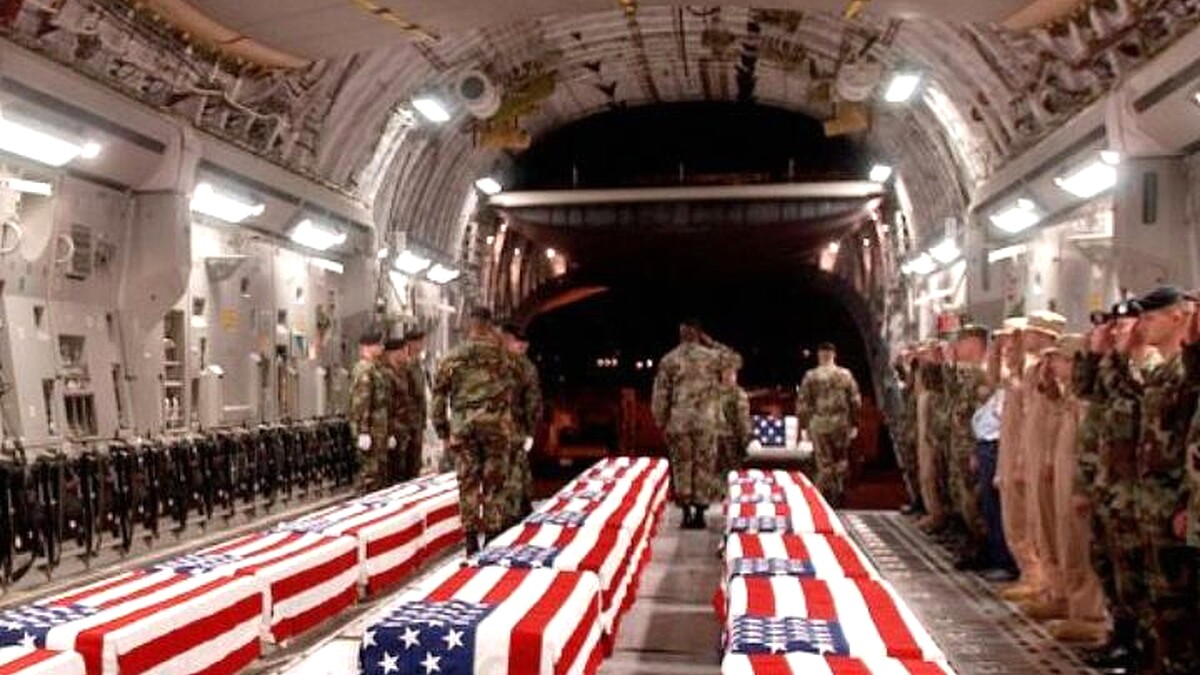
Kuwait saw one of the most severe incidents early in the conflict, where an Iranian drone strike on a makeshift operations centre killed six US service members and wounded dozens more.
Survivors described scenes of smoke, fire and chaos, with injuries including brain trauma from concussive forces, shrapnel penetrations and burns.
Reports from medical facilities in Germany, the United States and elsewhere confirm over 30 personnel still hospitalised from that single event, including cases at Walter Reed and Brooke Army Medical Centre.
Traumatic brain injuries have emerged as a recurring pattern, consistent with blast effects from proximity detonations that cause invisible but lasting neurological damage.
Such wounds often manifest as concussions, cognitive impairments and long-term health challenges, echoing patterns seen in prior Middle East deployments.
The inclusion of Israel in the list of affected locations points to successful Iranian retaliatory strikes reaching Israeli territory or joint US-Israeli facilities.
Iran launched multiple waves of ballistic missiles and drones targeting Israeli sites, with explosions reported over Tel Aviv and other areas.
While Israeli air defences intercepted many projectiles, some penetrated, causing civilian and military casualties.
At least 15 people killed and thousands injured in Israel since the conflict’s onset, per preliminary trackers.
The presence of US troops wounded in Israel suggests joint operations or advisory roles exposed American personnel to direct fire.
Details remain limited, with strict censorship and operational security measures in place restricting full disclosure.
Defence officials have emphasised that strikes aim to degrade Iran’s nuclear and ballistic missile capabilities, leadership structures and proxy networks.
Iranian responses have targeted US positions across the region, including in Gulf states where American forces support logistics and air operations.
Casualty figures vary across sources, with some trackers listing 13 to 15 US fatalities alongside the wounded.
Seven confirmed deaths include Army personnel from initial Kuwait attack and subsequent incidents in Saudi Arabia and elsewhere.
The conflict, now in its third week, has drawn sharp international attention amid concerns over escalation and regional stability.
US Defence Secretary statements highlight intensified bombing campaigns, with promises of continued pressure until objectives met.
Iranian officials vow sustained resistance, rejecting calls for surrender.
The human cost on US forces underscores risks of prolonged engagement in multi-domain warfare involving drones, missiles and asymmetric tactics.
Medical evacuation chains strain resources, with personnel airlifted to advanced facilities for treatment.
Traumatic brain injury protocols have been activated widely, reflecting lessons from past conflicts where such wounds proved debilitating.
Broader implications include potential long-term veteran care demands and debates over mission scope.
As operations persist, casualty updates expected to evolve with each phase of engagements.