



Austerity drive intensifies with tiered pay reductions in SOEs to fund public relief amid fuel price volatility
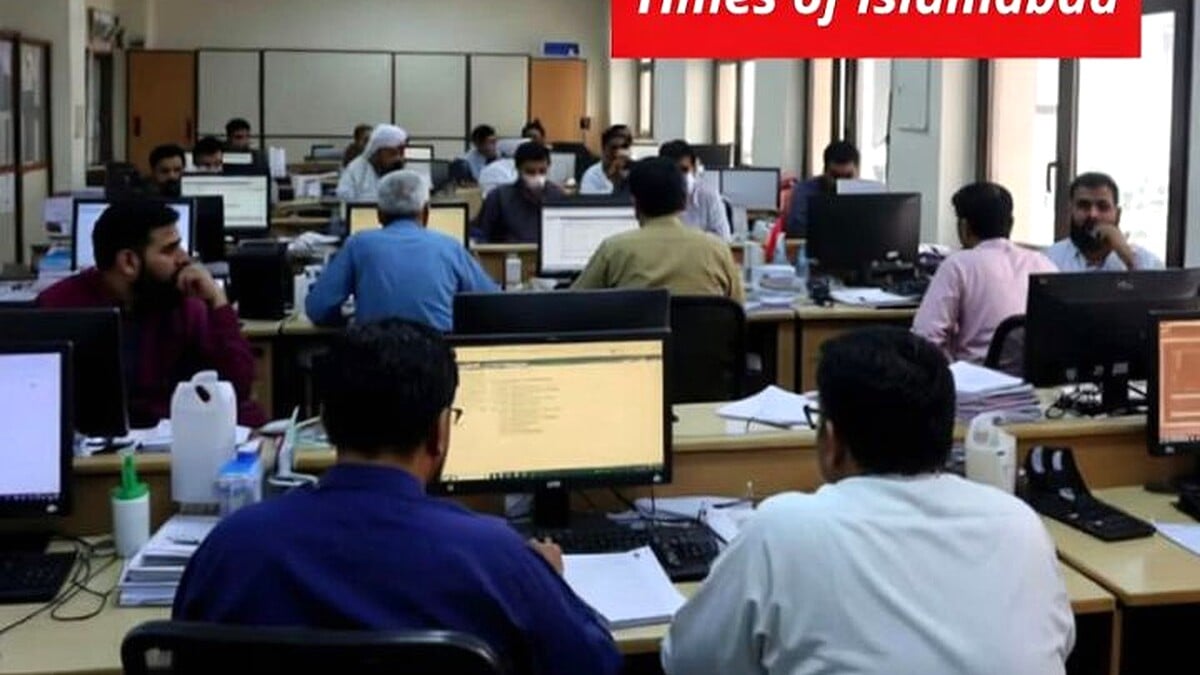
ISLAMABAD: Prime Minister Shehbaz Sharif has approved salary deductions ranging from 5 to 30 percent for employees of state-owned enterprises and autonomous institutions, channeling the resulting savings directly into public relief measures as Pakistan navigates economic pressures from regional instability and surging global petroleum prices.
The decision was formalized during a high-level review meeting chaired by the prime minister in Islamabad, focusing on the implementation of ongoing austerity initiatives and their alignment with public welfare priorities.
Officials briefed the meeting that these tiered reductions mirror earlier cuts applied to regular federal government employees, with the percentage scaling based on pay grades to ensure progressive impact.
Higher-paid employees in state-owned enterprises face the steeper 30 percent deduction, while lower grades see reductions starting at 5 percent, aiming to balance fiscal discipline with minimal disruption to essential workforce functions.
The prime minister stressed that all funds recovered through these salary adjustments would be exclusively allocated for providing targeted relief to citizens affected by rising living costs and energy market disruptions.
This move builds on the broader austerity framework announced earlier in March, which included voluntary salary forgoance by federal cabinet members, ministers, advisers, and special assistants for two months.
Parliamentarians across national and provincial assemblies have already faced salary reductions of 20 to 25 percent during the same period, depending on specific announcements.
Senior government officials in BS-20 and above, particularly those earning over Rs300,000 monthly, are contributing the equivalent of two days’ salary toward public welfare funds.
The salary cuts in state-owned enterprises represent a significant extension of these efforts, targeting semi-autonomous bodies and corporations under government oversight where fiscal leakages have historically been a concern.
Government representatives on corporate boards will cease receiving attendance fees for meetings, with those amounts added to the savings pool for redirection to relief programs.
The meeting also reaffirmed directives for all Pakistani diplomatic missions abroad to mark the upcoming March 23 Pakistan Day celebrations with simplicity, limiting activities to basic flag-hoisting ceremonies without receptions or lavish functions.
To enforce transparency, secretaries of relevant departments have been instructed to personally monitor compliance and submit daily progress reports to a dedicated review committee.
Third-party audits have been mandated in key areas, including fuel consumption tracking for official vehicles, to verify adherence and quantify actual savings achieved.
The austerity package responds to persistent volatility in international oil markets, exacerbated by ongoing Middle East tensions that have driven petroleum product prices upward and strained foreign exchange reserves.
Earlier measures in the framework included a 50 percent cut in fuel allowances for government vehicles, grounding of 60 percent of official fleets for two months, and a shift to four-day workweeks with work-from-home arrangements for non-essential staff.
Non-salary departmental expenditures face a 20 percent reduction, alongside bans on new vehicle purchases, furniture acquisitions, and non-essential foreign travel, with teleconferencing prioritized instead.
The prime minister reiterated that these steps, though challenging, prioritize national resilience and citizen protection over administrative comforts.
By linking austerity savings explicitly to public relief, the government aims to cushion vulnerable households against inflationary pressures in energy and essentials.
Implementation across federal ministries, autonomous bodies, and state enterprises will proceed under strict oversight, with exemptions preserved for critical sectors such as law enforcement and revenue collection.
Analysts observe that the progressive salary deduction structure seeks to generate meaningful fiscal space without uniform hardship across all pay levels.
The redirection of recovered funds underscores a policy emphasis on equitable burden-sharing at higher echelons while safeguarding lower-income public servants to the extent possible.
As the measures take effect, public compliance and institutional accountability will determine their success in stabilizing the economy amid external shocks.
The prime minister has called for full alignment from all stakeholders, including provincial administrations, to maximize collective impact and ensure swift relief delivery.
This latest approval on state-owned enterprise salary cuts marks a pivotal step in deepening fiscal consolidation efforts, with direct benefits targeted toward ordinary citizens facing economic headwinds.