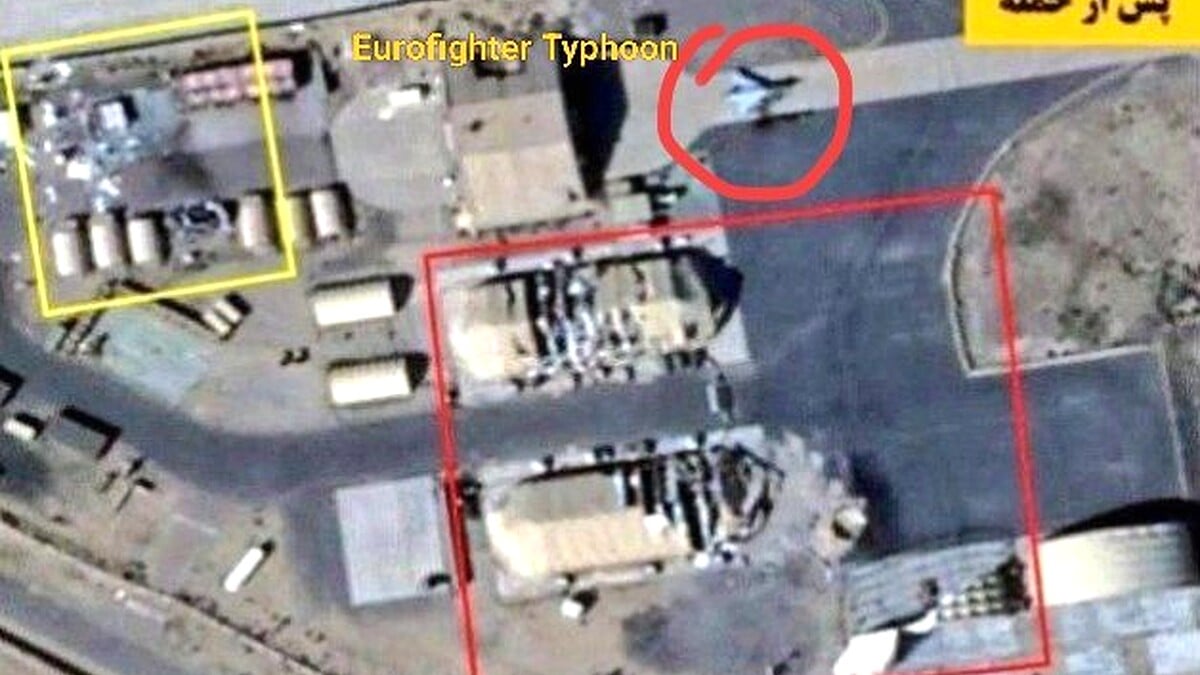




ISLAMABAD: New satellite imagery has revealed heavy damage at Kuwait’s Ali al-Salem Air Base following a series of Iranian retaliatory strikes, underscoring the escalating intensity of the ongoing conflict between Iran and the US-led coalition.
The base, a critical hub for US, Kuwaiti and Italian military aviation operations, shows multiple impact sites, collapsed structures and visible craters in high-resolution images analyzed from commercial providers like Planet Labs.
Initial assessments indicate that over a dozen buildings, including aircraft shelters and areas near runways, sustained significant structural harm since the strikes began around late February.
The facility, often referred to as “The Rock,” serves as a primary airlift gateway for American combat power projection across the Middle East, hosting the US Air Force’s 386th Air Expeditionary Wing among other units.
Reports from various sources confirm at least four distinct impact points across the base, with massive smoke plumes observed from space in some imagery, pointing to fires and potential secondary explosions.
This damage forms part of a broader Iranian campaign targeting at least 17 US military sites in the region, according to detailed analyses by outlets like The New York Times, which examined satellite data alongside verified videos and official statements.
Strikes on Ali al-Salem have occurred repeatedly, with initial attacks on February 28 intercepted by Kuwaiti air defenses, resulting in debris fallout but limited direct hits at first.
Subsequent waves, including drone and missile barrages in early March, breached defenses more effectively, causing visible roof collapses, burnt areas and infrastructure disruption.
Kuwaiti authorities reported light injuries to personnel in some incidents, alongside material losses, while US officials have acknowledged casualties elsewhere in the country from related attacks.
For instance, a separate Iranian drone strike on a tactical operations center at Shuaiba port near Kuwait City on March 1 killed six US service members and injured dozens more, with reports of brain trauma, shrapnel wounds and burns.
That event highlighted vulnerabilities in makeshift facilities lacking robust fortifications, raising questions about preparedness amid rapid escalation.
At Ali al-Salem specifically, satellite visuals show damage concentrated on key operational zones, potentially affecting aircraft maintenance, logistics and command functions.
The base’s role in supporting coalition air operations makes any impairment strategically significant, as it facilitates rapid deployment and sustainment for forces across Iraq, Syria and beyond.
Iran’s Islamic Revolutionary Guard Corps has claimed precision targeting of US assets, including air defense systems like Patriot launchers, though independent verification remains ongoing.
Commercial satellite firms have noted delays in releasing some imagery due to the sensitive nature of the conflict zone, limiting real-time public access to full damage scopes.
Experts analyzing before-and-after comparisons emphasize that while many intercepts occurred, the cumulative effect of repeated strikes has compounded degradation at several Gulf installations.
Kuwait, hosting thousands of US troops, has faced over 400 drones and 221 missiles in recent barrages, per regional reports, with most neutralized but fragments causing localized harm.
The air base’s proximity to the Iraqi border, roughly 40 kilometers away, places it within easy reach of Iranian proxies and direct launches.
Broader implications include disrupted US Central Command networks, as seen in nearby Camp Arifjan where satellite communication radomes were reportedly destroyed.
Such hits aim to impair coordination, surveillance and long-distance military communications vital for coalition responses.
Despite the damage, US and Kuwaiti officials maintain that core operations persist, with repairs underway and alternative assets mobilized.
The conflict, sparked by joint US-Israeli operations against Iranian targets, has seen retaliatory waves targeting bases in Bahrain, Qatar, Saudi Arabia and the UAE as well.
Analyses indicate Iran’s focus on communication infrastructure, radar systems and air defense assets to degrade coalition effectiveness.
Casualty figures remain under review, but the Kuwait incidents mark some of the first confirmed US losses in this phase of hostilities.
Regional tensions continue to rise, with Gulf states on high alert for further attacks on military, energy and civilian infrastructure.
The satellite evidence provides rare independent corroboration of the strikes’ impact, offering insights beyond official narratives from involved parties.
As the situation evolves, ongoing imagery collection will likely reveal more about repair progress and operational recovery at Ali al-Salem and similar sites.
The strikes highlight the precarious balance of deterrence in the Gulf, where allied bases face direct threats from advanced Iranian weaponry.
Military observers stress the need for enhanced defensive measures to protect such strategic nodes in future escalations.
Kuwait’s government has reiterated commitment to coalition partnerships while managing domestic security concerns.
The full strategic cost of the damage at Ali al-Salem remains under assessment, but early indicators suggest notable setbacks to air mobility and support capabilities in the theater.