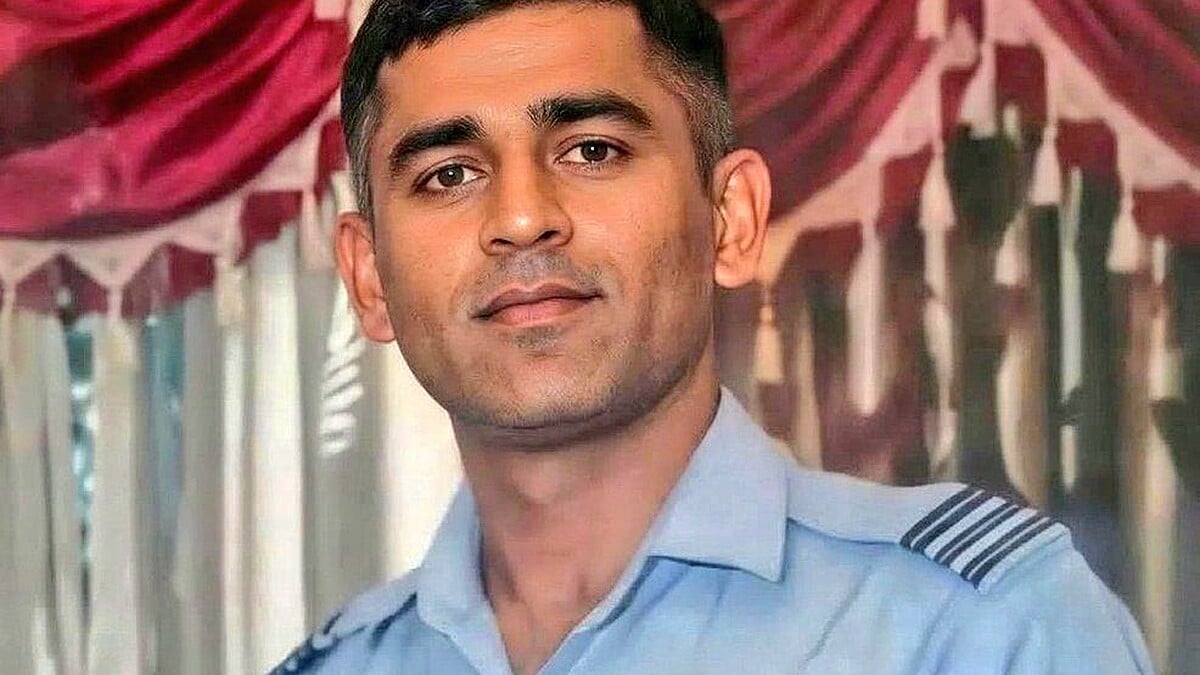




ISLAMABAD: An Indian Air Force Wing Commander Vipul Yadav, a 39-year-old pilot actively involved in anti-Naxal operations in Chhattisgarh, died by suicide at his official residence in Raipur on March 11, 2026.
The incident occurred in Vidhayak Colony, also known as MLA Colony or Purena area, under the jurisdiction of Telibandha police station.
Police officials confirmed that the officer was found hanging from a ceiling fan in his room with a rope.
The discovery was made early Wednesday morning by the domestic help, who immediately alerted authorities.
At the time, Yadav’s two young children—a nine-year-old son and a seven-year-old daughter—were asleep in another room of the house.
No suicide note was recovered from the scene, adding complexity to the ongoing investigation.
Yadav, originally from Haryana but with roots in Uttar Pradesh’s Azamgarh, had been commissioned into the Indian Air Force in 2010 in the Flying (Pilot) branch.
His service number was 31104, and he had risen to the rank of Wing Commander over his career spanning more than 15 years.
Reports indicate he was decorated, including possibly with the Vayu Sena Medal for his contributions, though specifics remain unconfirmed in initial accounts.
He was posted in Raipur and played a key role in supporting anti-Naxal or anti-Maoist operations, a critical security effort in Chhattisgarh’s insurgency-affected regions.
These operations often involve aerial surveillance, logistics support, and coordination with ground forces against left-wing extremism.
The demanding nature of such deployments has been linked to heightened stress among armed forces personnel in recent years.
Preliminary police inquiries point to frequent marital disputes as a possible contributing factor.
Yadav’s wife, a former Indian Air Force officer herself, now works in the IT sector in Bengaluru.
The couple had entered into a love marriage in 2014.
At the time of the incident, she was away, reportedly in Delhi for work-related reasons.
Sources close to the investigation suggest that long-distance separation and recurring personal issues may have intensified emotional strain.
The body was sent for post-mortem examination to determine the exact cause and rule out any foul play.
Telibandha police have registered the case and launched a detailed probe, examining call records, family statements, and other evidence.
Family members have arrived in Raipur to assist with formalities and support the children.
This incident has once again brought attention to the silent challenges faced by serving military personnel in India.
Despite rigorous training and operational demands, personal and mental health issues often remain under-addressed.
Statistics from various defence sources show a concerning trend of suicides in the armed forces over the past decade, with marital discord, isolation from family, and job-related stress cited as common triggers.
In Chhattisgarh, where anti-Naxal duties require prolonged deployments in high-risk zones, such pressures can be amplified.
Yadav’s death underscores the need for stronger mental health support mechanisms within the Indian Air Force and other services.
Initiatives like counselling sessions, peer support groups, and family welfare programs exist, but experts argue for more proactive and accessible interventions.
The tragedy has evoked widespread grief across defence communities and on social media platforms.
Messages of condolence have poured in, highlighting Yadav’s dedication to national security.
Many have expressed sorrow for the young children left behind and the profound loss to the family.
The Indian Air Force is yet to issue an official statement on the matter, though internal condolences are likely underway.
As the investigation continues, authorities have urged restraint in speculation until facts are fully established.
This case serves as a somber reminder of the human cost behind uniform and duty.
It calls for renewed focus on holistic well-being for those safeguarding the nation.
The incident highlights broader societal conversations on mental health, work-life balance, and support systems in high-stress professions.
In the coming days, more details may emerge from the post-mortem and police findings.
For now, the focus remains on providing care to the bereaved family and honouring the officer’s service.