



ISLAMABAD: Iran has asserted that its integrated air defence systems successfully intercepted and destroyed several advanced unmanned aerial vehicles operated by the United States and Israel in recent days, heightening tensions in an already volatile Middle East.
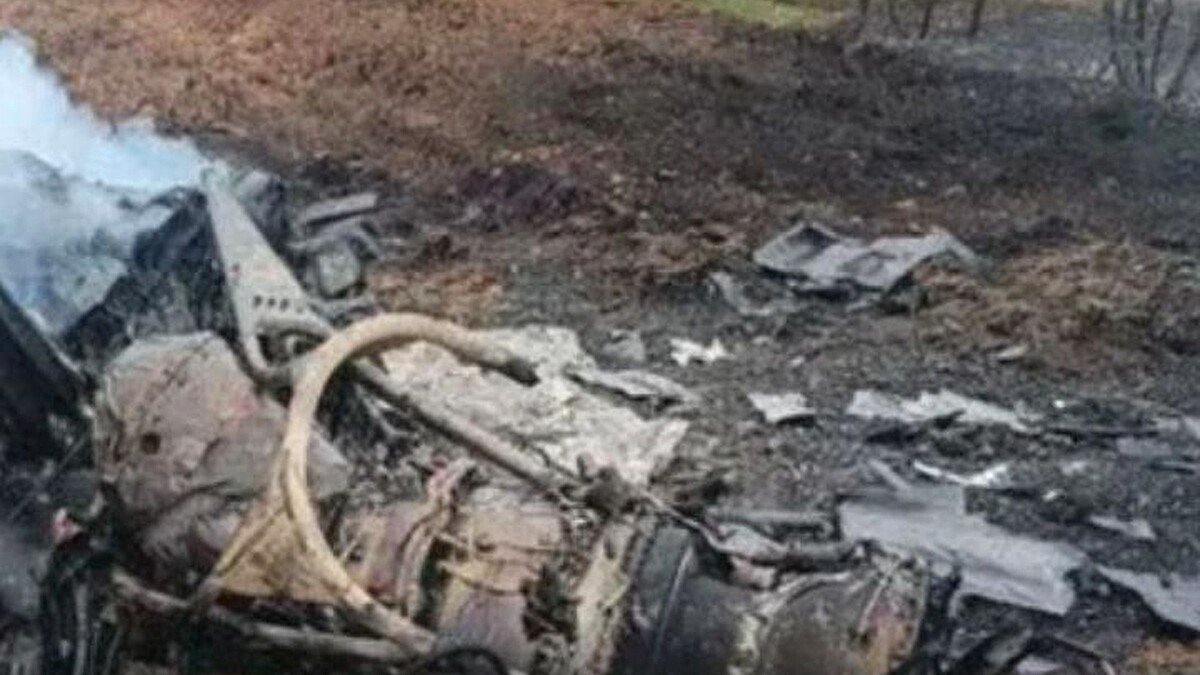
Iranian military officials reported the downing of a US-made MQ-9 Reaper drone over Lorestan Province in western Iran. Authorities released images purportedly showing the wreckage of the high-altitude reconnaissance and strike drone, which is valued at millions of dollars and widely used for surveillance missions.
In a separate incident near the capital Tehran, Iranian forces claimed to have neutralised an Israeli Hermes drone, likely a Hermes 900 model known for its long-endurance capabilities and advanced payload options. State media outlets broadcast footage and photographs of the downed aircraft, framing the incidents as evidence of Iran’s robust defensive posture against aerial intrusions.
Iran’s Islamic Revolutionary Guard Corps and regular army have coordinated these operations through the country’s Joint Air Defence Headquarters. Officials stated that enemy drones were attempting intrusive flights over sensitive territories when targeted by surface-to-air systems.
Over the past week, Iranian sources have escalated their claims, announcing the destruction of more than 75 drones attributed to US and Israeli forces since intensified hostilities began. These figures include various models, with recent successes highlighted in western and central regions of the country.
Defence analysts note that such claims, while unverified independently, align with Iran’s strategy to project resilience amid sustained bombardment. The release of visual evidence appears intended to bolster domestic morale and deter further incursions.
Iranian leadership has issued stern warnings that retaliatory measures will intensify if provocations persist. Officials emphasised that continued aggression risks broader regional instability, potentially drawing in additional actors and disrupting global energy supplies.
On the civilian front, Iranian media reported significant casualties from strikes in the southern city of Shiraz. At least 20 people were killed in an attack on a residential area in the suburb of Zibashahr, with dozens more injured. Local authorities described the incident as targeting civilian infrastructure, including sites near emergency services facilities.
Reports indicated that the assault caused extensive damage to homes and public buildings, exacerbating humanitarian concerns in the conflict zone. Iranian officials condemned the operation as indiscriminate, pointing to the loss of innocent lives.
Conversely, the Israeli military has detailed its own successes in degrading Iran’s offensive capabilities. Forces reported the destruction of six ballistic missile launchers during overnight operations, preventing imminent launches toward Israeli territory.
Israeli statements further claimed the neutralisation of three advanced Iranian air defence systems in separate strikes. These actions form part of a broader campaign aimed at systematically dismantling Tehran’s missile and drone infrastructure.
Military spokespersons released footage demonstrating precision strikes on mobile launchers and radar installations, underscoring efforts to achieve air superiority over Iranian airspace.
The US Central Command has corroborated aspects of these operations, noting a sharp decline in Iranian missile and drone barrages—down by up to 90 per cent in some categories—following targeted attacks on buried launch sites and production facilities.
Experts monitoring the conflict warn that the tit-for-tat exchanges between Iran, the United States, and Israel carry profound risks for the entire Middle East. The escalation has already spilled beyond bilateral confrontations, affecting neighbouring states through proxy actions and direct strikes.
Regional observers highlight the potential for miscalculation, where defensive claims and offensive assertions could fuel a cycle of retaliation. Economic ramifications loom large, given Iran’s strategic position along key maritime routes.
The death toll across affected areas continues to rise, with Iranian sources citing hundreds of civilian and military casualties from ongoing bombardments. International calls for de-escalation have grown louder, though military momentum on multiple fronts shows little sign of abating.
As both sides trade accusations and evidence, the trajectory of this confrontation remains uncertain, with implications extending far beyond the immediate theatre of operations.