



ISLAMABAD: A United States submarine torpedoed and sank the Iranian Navy frigate IRIS Dena in the Indian Ocean off Sri Lanka’s southern coast on March 4, dealing a severe blow to Tehran’s naval presence far from the Middle East conflict zone.
The attack, confirmed by US Defense Secretary Pete Hegseth, marked the first submarine torpedo sinking of an enemy surface vessel since World War II. Hegseth described the strike as delivering a “quiet death” to the warship, which he said believed itself safe in international waters.
The IRIS Dena had recently participated in India’s MILAN 2026 multilateral naval exercise in Visakhapatnam, hosted by the Indian Navy from February. The event included vessels from numerous nations, including the United States, underscoring India’s role in promoting maritime cooperation in the region.
Sri Lankan authorities reported recovering 87 bodies and rescuing 32 sailors following a distress signal from the vessel. The frigate carried around 130 to 180 crew members, with many still missing or presumed dead after the torpedo strike caused the ship to break apart.
The incident unfolded just days after the Iranian ship departed Indian waters, heading home through the Indian Ocean. New Delhi’s Ministry of Defence confirmed the IRIS Dena’s involvement in the exercise and noted that the Indian Navy responded to the distress call by launching search and rescue operations in coordination with regional partners.
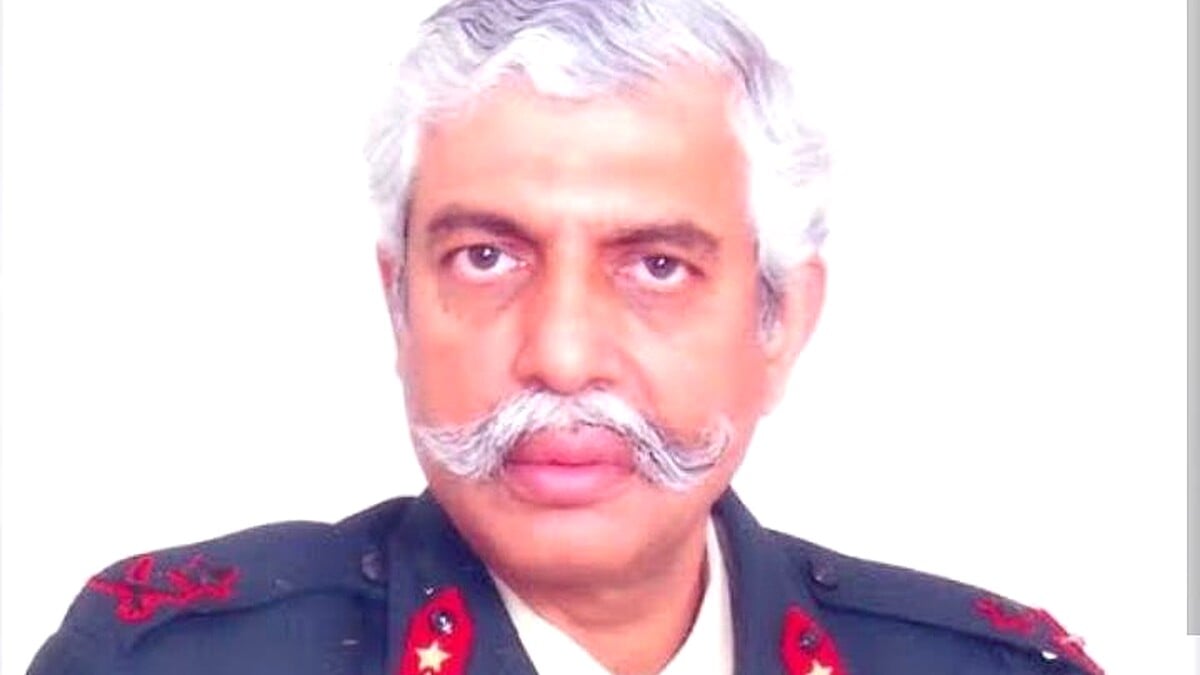
Maj Gen GD Bakshi (Retd), a prominent Indian military analyst, described the event as causing significant embarrassment to India. He stated that while the US claims friendship with India, the attack on a vessel that was a guest of the Indian Navy occurred at India’s doorstep.
Bakshi argued that the sinking highlighted a dangerous US power play, creating threats where none existed previously. He questioned the strategic implications for New Delhi’s relations with both Washington and Tehran.
The attack expands the ongoing US-Israel military campaign against Iran into the Indian Ocean, thousands of miles from the Persian Gulf. US and Israeli forces have conducted strikes on Iranian targets, prompting Tehran to retaliate with missiles and drones.
Iran’s Foreign Minister Abbas Araghchi condemned the sinking as an “atrocity at sea” and vowed that the United States would bitterly regret the action. Tehran has signaled potential restrictions on shipping through the Strait of Hormuz in response to escalating hostilities.
India maintains a delicate balancing act in the conflict. As a strategic partner of the US through frameworks like the Quad, New Delhi also sustains economic and energy ties with Iran, including past oil imports and Chabahar port development.
The timing of the strike, shortly after the MILAN exercise, raises questions about maritime security perceptions in the region. Analysts note that attacking a warship emerging from a host nation’s invited participation could undermine trust in multilateral naval engagements.
Sri Lanka’s navy played a key role in recovery efforts near Galle, with bodies and survivors brought ashore. The event has drawn international attention to the vulnerability of international waters amid great-power rivalries.
Indian officials have avoided direct condemnation of the US action while emphasizing humanitarian response to the distress call. The Navy’s swift deployment of vessels demonstrated commitment to search and rescue protocols in the Indian Ocean Region.
Observers point out that the incident tests India’s non-aligned posture in a polarized global landscape. With rising tensions involving China in the Indo-Pacific, New Delhi seeks to safeguard its maritime interests without alienating major powers.
Bakshi’s remarks reflect broader unease among some Indian strategic voices. He suggested that US actions risk alienating partners by extending conflict zones unexpectedly.
The sinking has fueled debate on social media and in Indian television discussions, with anchors questioning the message sent to allied nations participating in joint exercises.
As the US-Iran confrontation intensifies, the Indian Ocean’s stability faces new challenges. Regional navies, including India’s, may need to enhance surveillance to prevent spillover from Middle Eastern conflicts.
The episode underscores the complexities of great-power competition reaching South Asia’s vicinity. For India, it serves as a reminder of the need for vigilant diplomacy to protect sovereignty and partnerships in an increasingly contested maritime domain.