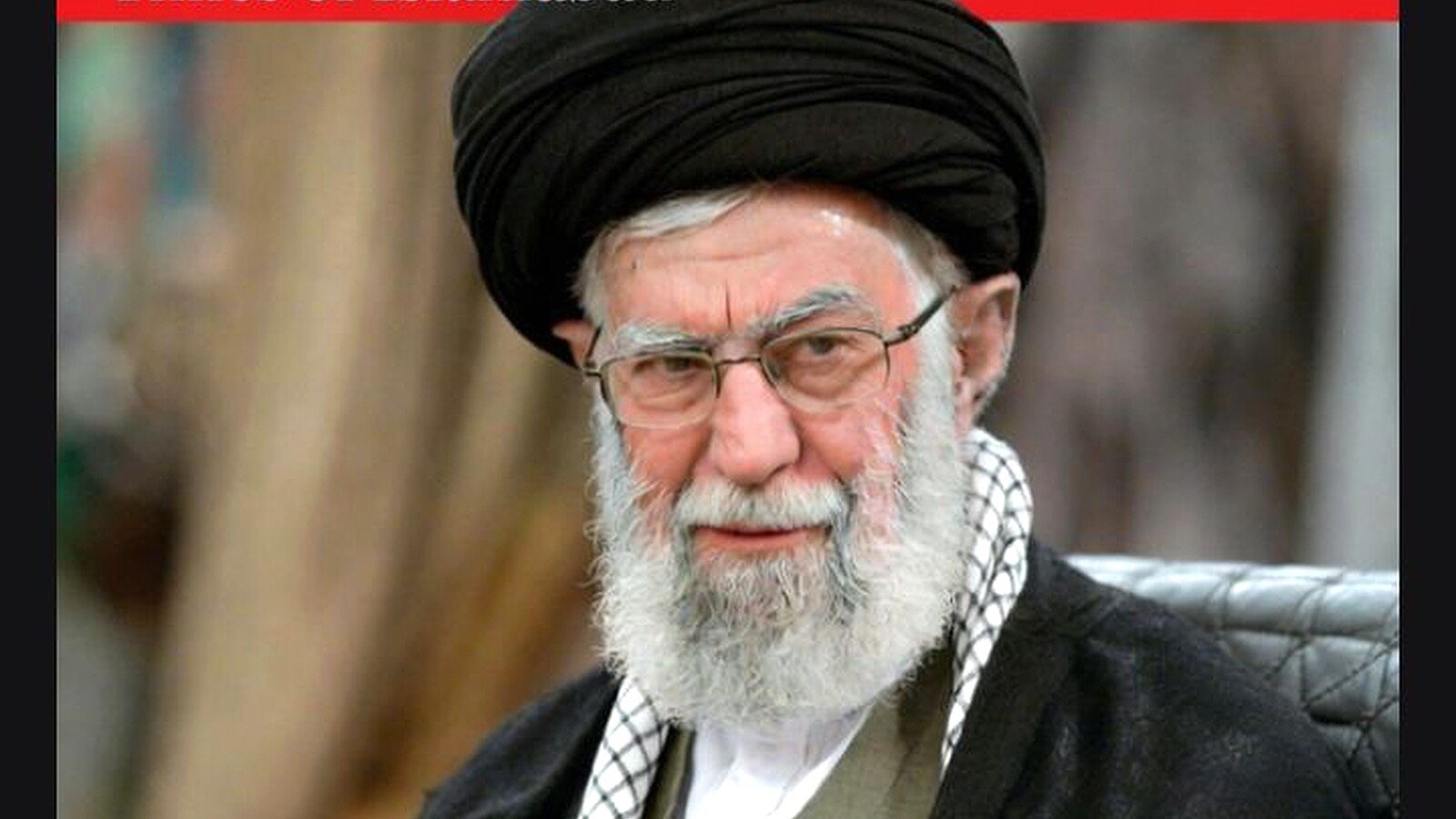




ISLAMABAD: Iranian forces have activated a contingency strategy personally approved by the late Supreme Leader Ayatollah Ali Khamenei to ignite widespread chaos across the Middle East, according to reports from international observers and regional security assessments.
The plan, reportedly devised in recent months as tensions with the United States and Israel mounted, aims to expand the conflict beyond Iran’s borders through coordinated missile barrages, drone attacks, and proxy activations.
This development follows the dramatic killing of Khamenei in a joint US-Israeli airstrike on his Tehran residence late last week, an operation that also eliminated key figures including senior Revolutionary Guard commanders.
Iran responded swiftly with waves of ballistic missiles and drones targeting sites in Israel and several Gulf Arab states, marking a significant escalation from previous limited exchanges.
Analysts note that the strategy aligns with Khamenei’s long-standing doctrine of “forward defence,” which emphasises using allied militias and asymmetric capabilities to deter direct assaults on Iranian soil.
The Financial Times reported that Iranian military units executed elements of this blueprint almost immediately after confirmation of Khamenei’s death, launching strikes designed to overwhelm regional air defences and draw in multiple actors.
Over the past 72 hours, Iran has fired hundreds of projectiles, including advanced models such as the hypersonic Fattah-2 missile, at military installations in Israel and US-linked bases in the Gulf.
These actions have forced defensive coalitions involving the United States, Israel, and Gulf partners to intercept the majority of incoming threats, though some have caused casualties and infrastructure damage.
The conflict has already spilled into Lebanon, where Hezbollah forces, long backed by Iran, resumed missile launches against northern Israel in direct response to the supreme leader’s elimination.
This marks the first major Hezbollah involvement in over a year, highlighting the activation of Iran’s regional network despite heavy losses suffered by its proxies in prior rounds of fighting.
Maritime security has deteriorated sharply, with reports of attacks on commercial vessels near the Strait of Hormuz, a critical chokepoint for global oil shipments.
One oil carrier sustained severe damage and began sinking after an apparent Iranian strike, raising fears of disrupted energy flows and soaring global prices.
Opec+ members have announced plans to increase output in an effort to stabilise markets, but experts warn that prolonged disruptions could lead to severe economic repercussions worldwide.
The US administration, under President Donald Trump, has described the ongoing campaign as targeted and finite, with officials stating it could last four to five weeks or longer if necessary.
Defence Secretary Pete Hegseth emphasised that the operation focuses on destroying Iran’s missile arsenal, navy, and nuclear-related capabilities without pursuing formal regime change.
Trump has repeatedly stated on social media that the strikes aim to achieve lasting peace in the Middle East by neutralising threats.
However, the leadership vacuum in Tehran has complicated the situation, with Iranian officials announcing that a new supreme leader will be selected within days by the Assembly of Experts.
Interim authorities, including top security official Ali Larijani, have vowed no negotiations with the United States and pledged unrelenting retaliation.
Iran’s Foreign Minister Abbas Araghchi has urged Gulf countries to pressure Washington and Tel Aviv to halt operations, framing the conflict as a threat to regional stability.
Casualty figures remain fluid, with Iran’s Red Crescent reporting over 550 deaths from US-Israeli strikes, while Israel and other nations report lower but rising tolls from Iranian counterattacks.
The United States has acknowledged losses among its forces, including service members killed in regional incidents since the escalation began.
Observers point out that Khamenei’s strategy was rooted in decades of experience managing proxy conflicts in Syria, Yemen, Iraq, and Lebanon to project power without direct confrontation.
By expanding the theatre of operations, Iran seeks to impose costs on adversaries and their allies, potentially forcing diplomatic concessions or international intervention.
Yet the decapitation of key command structures, including the deaths of IRGC leaders Mohammad Pakpour and strategist Ali Shamkhani in the initial strikes, may hinder effective implementation.
Regional reactions vary, with Gulf states condemning Iranian missile strikes on their territories while expressing concern over broader instability.
Protests have erupted in places like Indian-administered Kashmir, reflecting sectarian ties and outrage over Khamenei’s killing.
As the conflict enters its next phase, questions loom over whether Iran’s retaliation will sustain momentum or if intensified US-Israeli operations will degrade its capabilities further.
The coming days will test the resilience of both the Iranian regime and the international system’s ability to contain a rapidly widening war.