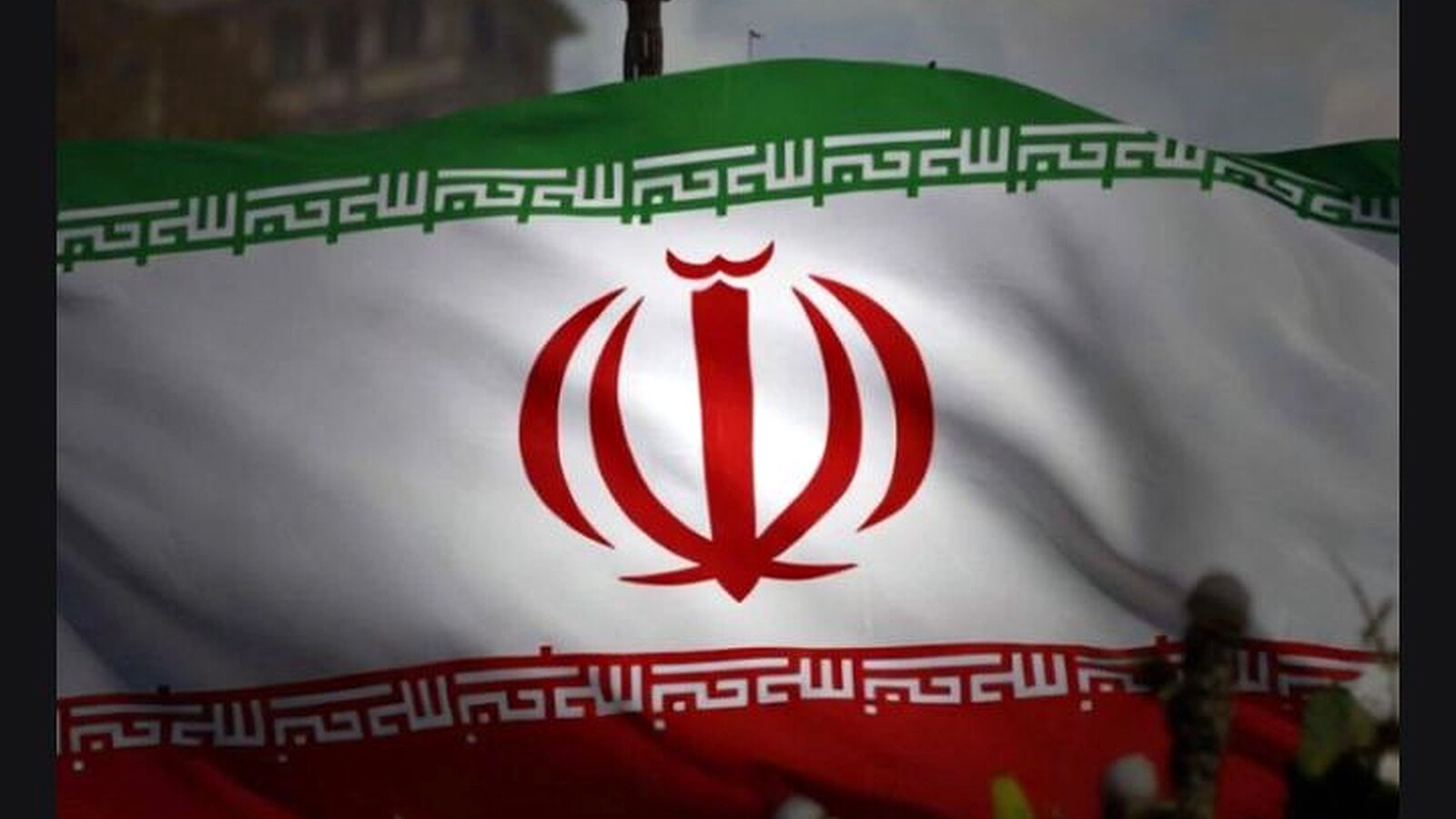




ISLAMABAD: Iran’s retaliatory campaign has expanded dramatically with reported strikes on British military facilities in Cyprus and a French-hosted naval base in the United Arab Emirates, signaling a broadening of the conflict beyond initial US-Israeli targets and raising alarms over potential NATO involvement.
The most recent incident involved a small drone, suspected to be of Iranian origin and possibly a Shahed-136 model, impacting RAF Akrotiri in Cyprus late on March 1, 2026. The British sovereign base area near Limassol experienced explosions around midnight local time, triggering a security threat declaration. Personnel sheltered in place, sirens sounded, and a Eurofighter Typhoon jet scrambled in response.
Preliminary reports indicate minor damage to the airfield infrastructure, with no casualties confirmed. Sources close to the matter described the strike as limited in scope, yet it marked a direct physical breach at a key UK asset. RAF Akrotiri hosts around 2,000 service personnel and families, serving as a vital hub for air operations in the Middle East, including defensive intercepts of Iranian drones and missiles.
UK Defence Secretary John Healey confirmed that two Iranian ballistic missiles were launched in the direction of Cyprus during the same period. He emphasized that these were likely not deliberately aimed at the island or British bases but reflected Iran’s increasingly indiscriminate approach. The missiles were intercepted, preventing direct hits, though the launches underscored heightened risks to allied assets.
This development followed Prime Minister Keir Starmer’s authorization for limited US use of British facilities for defensive purposes against Iranian threats. Britain has maintained it played no offensive role in the initial strikes on Iran, which followed the reported death of Iran’s Supreme Leader. However, the presence of RAF Typhoons at Akrotiri and Al Udeid in Qatar has positioned UK forces in defensive roles, including downing Iranian drones.
Parallel to the Cyprus events, an Iranian drone attack struck a naval facility in Abu Dhabi hosting French forces. The base, known as Camp de la Paix or Al Salam Naval Base, sustained a fire in a hangar after two drones impacted the area. French Defence Minister Catherine Vautrin confirmed limited damage to a hangar bordering an Emirati site, with no casualties reported among French personnel.
The UAE Ministry of Defence stated that specialized teams contained the fire in containers of general materials. France described the incident as part of broader Iranian strikes on Gulf partners, occurring amid Tehran’s reprisals for US-Israeli operations. French President Emmanuel Macron highlighted the disproportionate nature of Iran’s responses, which have affected military and civilian targets across the region.
France has responded by redeploying its aircraft carrier Charles de Gaulle and associated naval strike group to the eastern Mediterranean, shifting from Baltic duties to bolster presence amid escalating tensions. This move aligns with joint statements from Britain, France, and Germany condemning Iran’s actions and pledging coordinated efforts to protect allied interests.
The joint declaration by Prime Minister Starmer, President Macron, and Chancellor Friedrich Merz expressed alarm at threats to service members and civilians, vowing proportionate defensive measures to counter Iran’s missile and drone capabilities. No invocation of NATO Article 5 has occurred, as incidents involve sovereign bases and hosted facilities rather than direct alliance territory attacks.
Iran’s retaliation has spanned multiple theaters, including strikes on US-linked sites in Bahrain—where British personnel were reportedly within 200 meters of impacts—Iraq, Qatar, and other Gulf locations. Explosions and smoke plumes have been documented near ports and airfields, though many incoming threats were neutralized by allied defenses.
Analysts observe that Iran’s strategy appears aimed at deterring further Western support for Israel and the US by demonstrating reach and willingness to target extended networks. The inclusion of European-linked assets in Cyprus and the UAE represents a geographic expansion, complicating containment efforts.
British and French authorities continue to prioritize force protection, with elevated alert statuses across regional deployments. Cypriot officials have coordinated with UK counterparts, while denying that the island itself was a primary target.
The fluid situation demands caution with preliminary reports, as social media amplification has occasionally outpaced verified details. Official channels from the UK Ministry of Defence, French government, and UAE authorities provide the most reliable updates.
This phase of escalation highlights the interconnected risks in the Middle East security landscape, where actions against one actor rapidly implicate distant allies and bases. Diplomatic channels remain strained, with calls for de-escalation competing against immediate military necessities.