



ISLAMABAD: The United States and Israel launched coordinated military strikes on Iran early Saturday morning in a major escalation of longstanding regional tensions, with Israeli officials describing the action as a preemptive measure following months of joint planning.
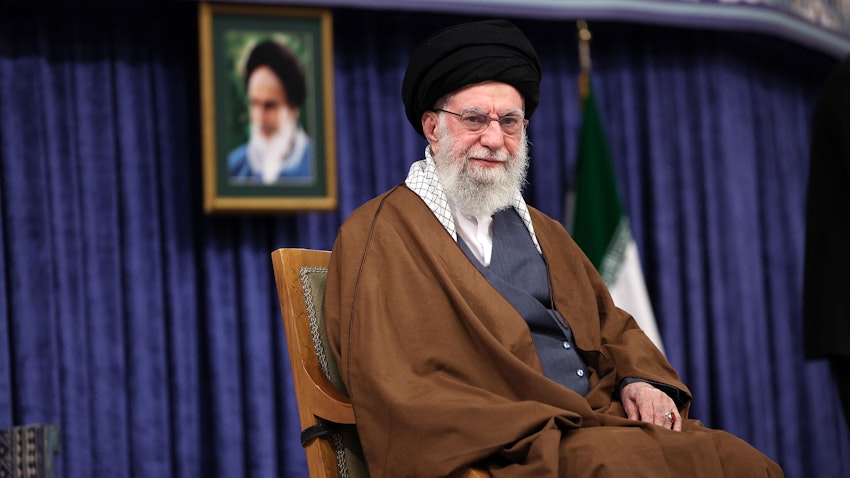
The attacks, which targeted high-level Iranian leadership including Supreme Leader Ayatollah Ali Khamenei, President Masoud Pezeshkian, and the head of the armed forces, marked the opening phase of what US President Donald Trump termed “major combat operations.”
Israeli sources familiar with the operation confirmed to international media that the initial strikes specifically aimed at these senior figures, as well as military infrastructure.
US officials indicated that the campaign, codenamed Operation Epic Fury by the Department of Defense, is expected to extend over several days rather than conclude in hours.
The strikes hit multiple cities across Iran, including Tehran, Isfahan, Qom, Karaj, and Kermanshah, with reports of explosions and smoke rising over the capital.
Iranian state media acknowledged the attacks but emphasized that key leadership remained unharmed, suggesting the precision strikes on top officials may not have achieved their intended outcomes.
Official Iranian sources reported that Supreme Leader Khamenei had been relocated to a secure location prior to the strikes, potentially thwarting attempts to target him directly.
President Pezeshkian and armed forces Chief of Staff were also said to be safe, according to Iranian accounts, highlighting possible intelligence gaps or defensive measures by Tehran.
This development follows a pattern of heightened confrontations, including a brief but intense conflict in June 2025 that involved Israeli and US actions against Iranian nuclear and military sites.
The current operation appears broader in scope, focusing not only on nuclear-related facilities but also on dismantling command structures and ballistic missile capabilities.
President Trump, in a video statement posted on social media, described the strikes as necessary to eliminate imminent threats from the Iranian regime and prevent it from acquiring nuclear weapons.
He urged Iranian citizens to seize the opportunity to overthrow their government, framing the military action as a catalyst for potential regime change.
Israeli Prime Minister Benjamin Netanyahu stated that the joint effort aimed to remove the existential threat posed by Iran’s leadership and its support for proxy groups across the region.
The Israeli Defense Forces emphasized full synchronization with US forces, underscoring the depth of bilateral military coordination in recent months.
In response, Iran launched retaliatory barrages, firing missiles and drones toward Israel and targeting US military facilities in Gulf countries including Bahrain, Qatar, Kuwait, and the United Arab Emirates.
Explosions were reported in Jerusalem and Tel Aviv as Israeli air defenses intercepted incoming projectiles.
Iran’s Revolutionary Guard described the counterstrikes as the “first wave” of a crushing response, vowing further actions to defend national sovereignty.
The escalation has triggered widespread concern over a potential wider regional war, with air raid sirens sounding across Israel and civil defense protocols activated.
Gulf Arab states reported interceptions of missiles over their territories, while one fatality was confirmed in Abu Dhabi amid the chaos.
Global reactions varied, with some nations condemning the strikes as violations of international law, while others expressed support for countering perceived Iranian aggression.
The attacks derailed ongoing diplomatic efforts between Washington and Tehran aimed at negotiating limits on Iran’s nuclear program.
US military buildup in the Middle East had intensified in recent weeks, coinciding with threats from President Trump over Iran’s refusal to curb its nuclear ambitions and its handling of domestic protests.
Analysts note that the targeting of leadership represents a significant shift from previous operations, which primarily focused on infrastructure.
Casualties from the strikes remain unclear, though Iranian media reported civilian deaths, including at least 40 in one incident involving a school in southern Iran.
The operation’s long-term objectives include destroying Iran’s missile arsenal and preventing nuclear weapon development, according to statements from US and Israeli leaders.
As fighting continues, the Middle East braces for further developments, with the risk of broader involvement from allied forces and proxies.
The coming days will likely see intensified military exchanges, as both sides assess damage and plan next moves in this rapidly unfolding crisis.