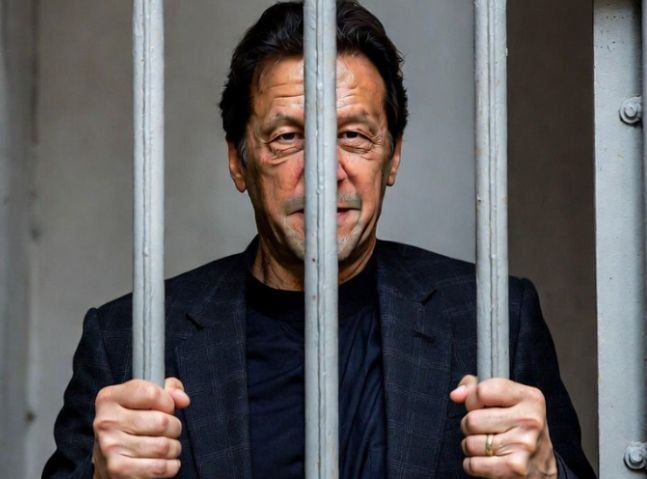




ISLAMABAD: The Supreme Court of Pakistan on Friday returned a petition seeking the transfer of Pakistan Tehreek-e-Insaf founder Imran Khan to a hospital for medical treatment, citing procedural objections and clarifying that the matter had already faced dismissal the previous day.
Chief Justice of Pakistan Yahya Afridi presided over the hearing where senior lawyers Sardar Latif Khosa and Naeem Panjotha represented the petitioner. The plea, filed under relevant rules in connection with ongoing cases, urged immediate shifting of the incarcerated former prime minister to Shifa International Hospital in Islamabad for specialised eye care.
The court observed that the petition carried defects that prevented its consideration on merits at this stage. CJP Afridi pointed out that similar objections had led to the return of the application earlier, leaving no scope for fresh action without rectification.
Khosa contended that the request rested purely on humanitarian grounds rather than political or legal disputes. He emphasised concerns over Imran Khan’s health, particularly an eye condition reportedly involving retinal issues that could risk vision loss if not addressed promptly by a retina specialist.
The chief justice corrected the counsel’s reference to any prior court directive on medical treatment. He stated that no such formal order existed from the bench, though the government had earlier provided assurances for necessary care during custody.
Reports indicate that Imran Khan has been receiving treatment at government facilities, including visits to the Pakistan Institute of Medical Sciences for follow-up on his diagnosed central retinal vein occlusion. His party has repeatedly demanded access to independent doctors and transfer to a private hospital for transparency and specialised intervention.
The legal team was advised to approach the court’s registrar to resolve the procedural issues raised. CJP Afridi noted that once objections are cleared, the matter could potentially be relisted if required.
This development occurs amid heightened attention to the former premier’s detention conditions. International observers, scholars, and human rights advocates have issued appeals expressing concern over reported health deterioration and calling for adequate medical access in line with legal standards.
Domestically, PTI leaders have continued to press for urgent hearings and medical relief, comparing the handling of Khan’s case to precedents involving other political figures who received treatment abroad or in privileged settings.
The petition’s return underscores the judiciary’s adherence to procedural requirements even in matters involving high-profile detainees. It highlights the distinction between court orders and executive assurances in ensuring prisoner welfare.
Imran Khan’s health saga has drawn sustained scrutiny since his incarceration in multiple cases, including Toshakhana-related convictions. Earlier this month, a court-appointed assessor submitted findings on his condition, prompting partial government responses like hospital transfers for treatment.
PTI continues to argue that delays and restricted access violate constitutional rights to health and dignity. The party has pursued parallel avenues, including high court petitions, to seek suspension of sentences or bail on medical grounds.
The Supreme Court’s procedural stance in this instance avoids substantive engagement until formalities are met. It leaves open the possibility of revisiting the issue once the petition is properly refiled.
Observers note that such judicial caution maintains institutional balance while not dismissing humanitarian pleas outright. The case remains a focal point in Pakistan’s evolving political and legal landscape.